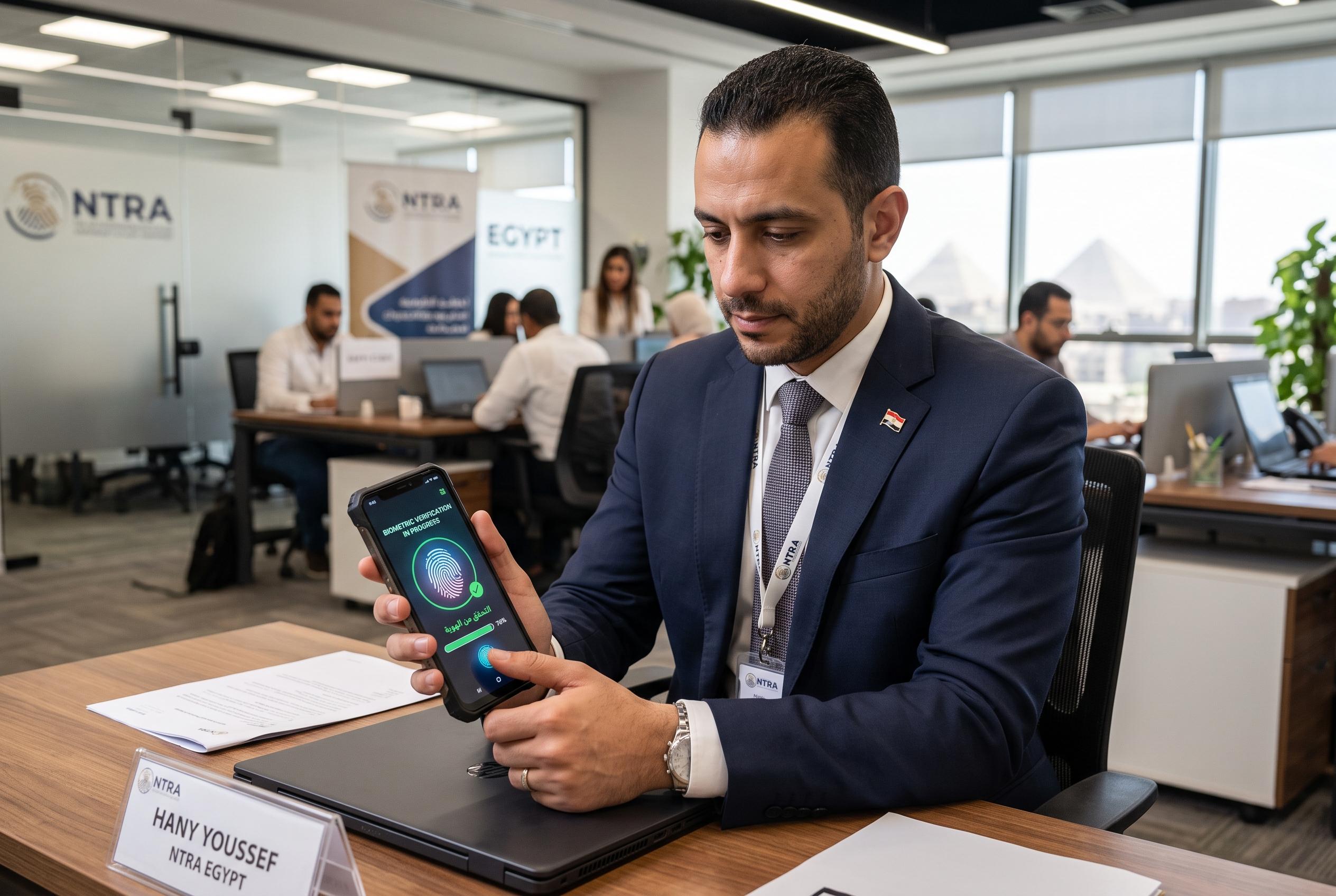

Egypt’s National Telecommunications Regulatory Authority has introduced strict measures to verify mobile line ownership, including biometric verification and enforcement against unauthorised registrations, in response to widespread complaints and security concerns.
Egypt tightens mobile line checks after complaints over false registrations
Egypt’s National Telecommunications Regulatory Authority has launched emergency steps to tighten the registration of mobile phone lines after complaints that some numbers were registered in citizens’ names without their knowledge or possession of the SIM cards. The authority said it had referred the country’s four mobile operators to the Public Prosecution after completing inspections and gathering evidence linked to the complaints, in a move aimed at linking every line to its real user and limiting misuse of personal data.
According to the authority’s latest measures, the operators must stop selling or activating new lines through their systems for both private and government entities. The order affects Vodafone, Orange, WE and e& and is intended to prevent further cases in which lines are opened using inaccurate or unauthorised identity details. The authority has also moved to tighten contract procedures at branches and outlets, requiring firms to ensure that all customer data is complete and properly signed and stamped.
The regulator is also targeting older lines already on the market. It has instructed companies to text subscribers whose registered details do not match the actual holder, telling them to visit a branch and sign a new contract in the name of the real user. If the correction is not completed within the deadline set by the operators, the line could be permanently cancelled. A parliamentary communications committee had previously urged a full review of mobile-line ownership and a timetable for updating records, citing the need for accurate data and national security.
In a further step, the authority has told operators to speed up biometric verification through their digital apps. That follows broader government moves in Egypt to expand facial-recognition-based authentication through the Interior Ministry’s unified digital platform, including a smartphone service being trialled this year. The regulator’s position is that stronger biometric checks can help citizens detect unauthorised lines opened in their names and make it harder to use false identities in future registrations.
Disclaimer: This content is intended for informational purposes only. Readers are advised to exercise their own judgement, conduct due diligence, or consult a qualified expert before acting on any information provided.