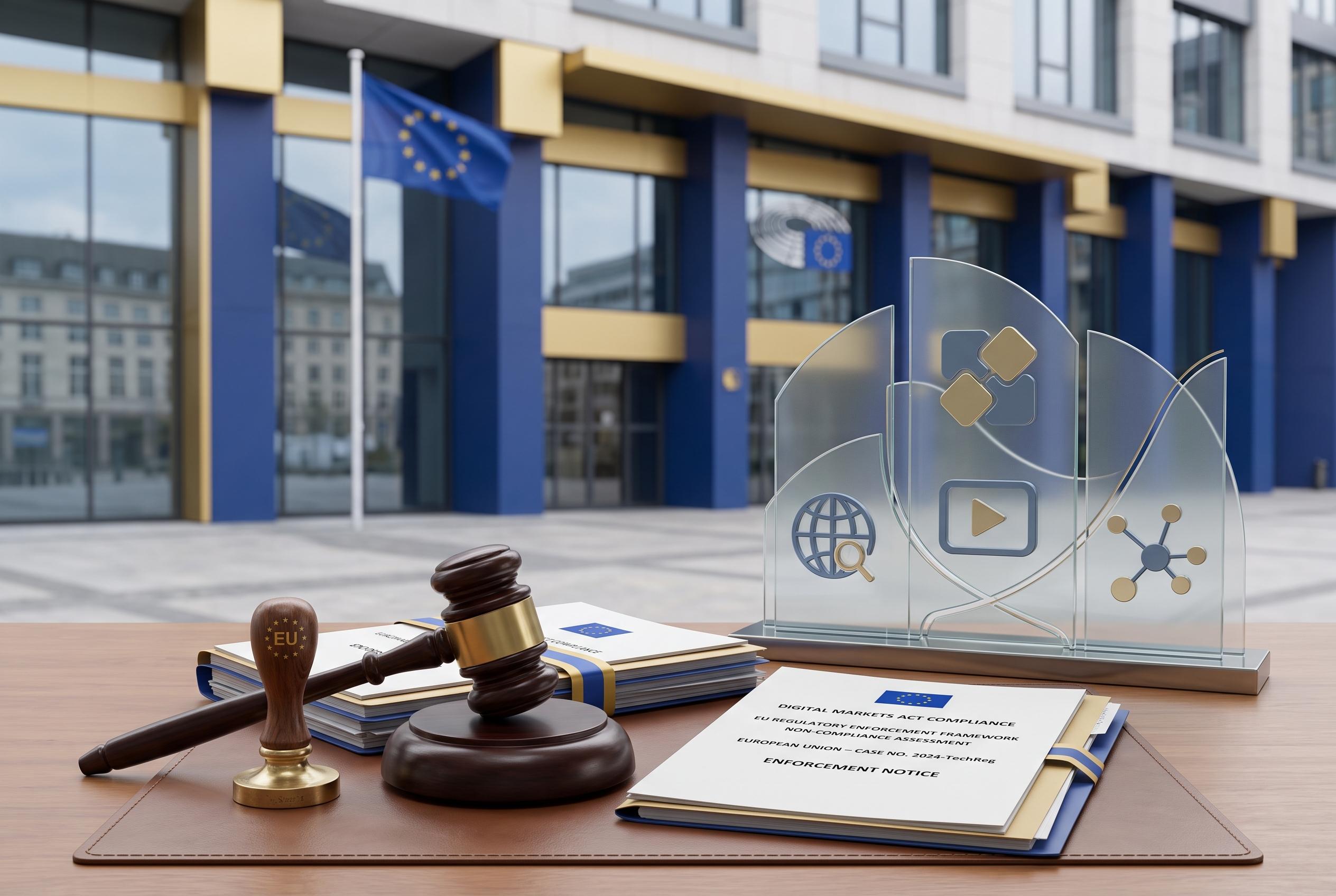

The European Union has escalated its regulatory assault on leading online platforms, imposing substantial fines and launching investigations into giants like Google, Apple, Meta, and TikTok to enforce fair competition and content rules.
The European Union has sharpened its regulatory response to the biggest online platforms, using the Digital Markets Act and the Digital Services Act to push for fairer competition and tighter control of online content. According to the European Commission, the DMA is designed to rein in gatekeepers’ market power, while the DSA targets platform behaviour, including risks around illegal content, transparency and user protection. The latest cases show how those rules are now being turned into substantial financial penalties and formal non-compliance findings.
The framework took shape in 2023 and 2024, when the Commission designated six gatekeepers under the DMA: Alphabet, Amazon, Apple, ByteDance, Meta and Microsoft. From March 2024, those companies were required to comply fully with the law’s obligations, which cover search engines, app stores, online advertising, messaging services and other core platform services. Brussels then opened its first DMA non-compliance investigations against Alphabet, Apple and Meta, focusing on whether Google was steering users towards its own search products, whether Apple’s app-store rules and browser-choice screens were lawful, and whether Meta’s “pay or consent” model for data use met the standard set by the legislation.
The most visible enforcement action has been against Google. In July 2026, the Commission fined the company €890 million over alleged DMA breaches, saying it had favoured its own services in search rankings. That came after earlier scrutiny had already put Alphabet, Apple and Meta under pressure for possible non-compliance. The pattern matters because the DMA is not aimed at isolated misconduct alone; it is intended to stop dominant firms from using control over access points to tilt competition in their favour.
The DSA has produced a separate line of cases, with TikTok, AliExpress and X all under pressure in different ways. In February 2026, the Commission said a preliminary assessment suggested TikTok’s addictive design could breach the DSA, while a separate review examined youth-protection duties. In July, AliExpress was fined €550 million over concerns that it had not done enough to prevent illegal, dangerous and counterfeit goods from being sold through its marketplace. X was fined €120 million in December 2025 over issues including the design of its blue checkmark system, the transparency of its advertising repository and the failure to give researchers access to public data. In parallel, Apple was fined €500 million and Meta €200 million in April 2025 over alleged DMA violations, including restrictions on app developers and Meta’s controversial data-consent model. The fines are not yet final, but together they show that the EU is willing to impose large penalties on some of the world’s most powerful technology firms despite tensions with Washington and criticism from company owners.
Disclaimer: This content is intended for informational purposes only. Readers are advised to exercise their own judgement, conduct due diligence, or consult a qualified expert before acting on any information provided.