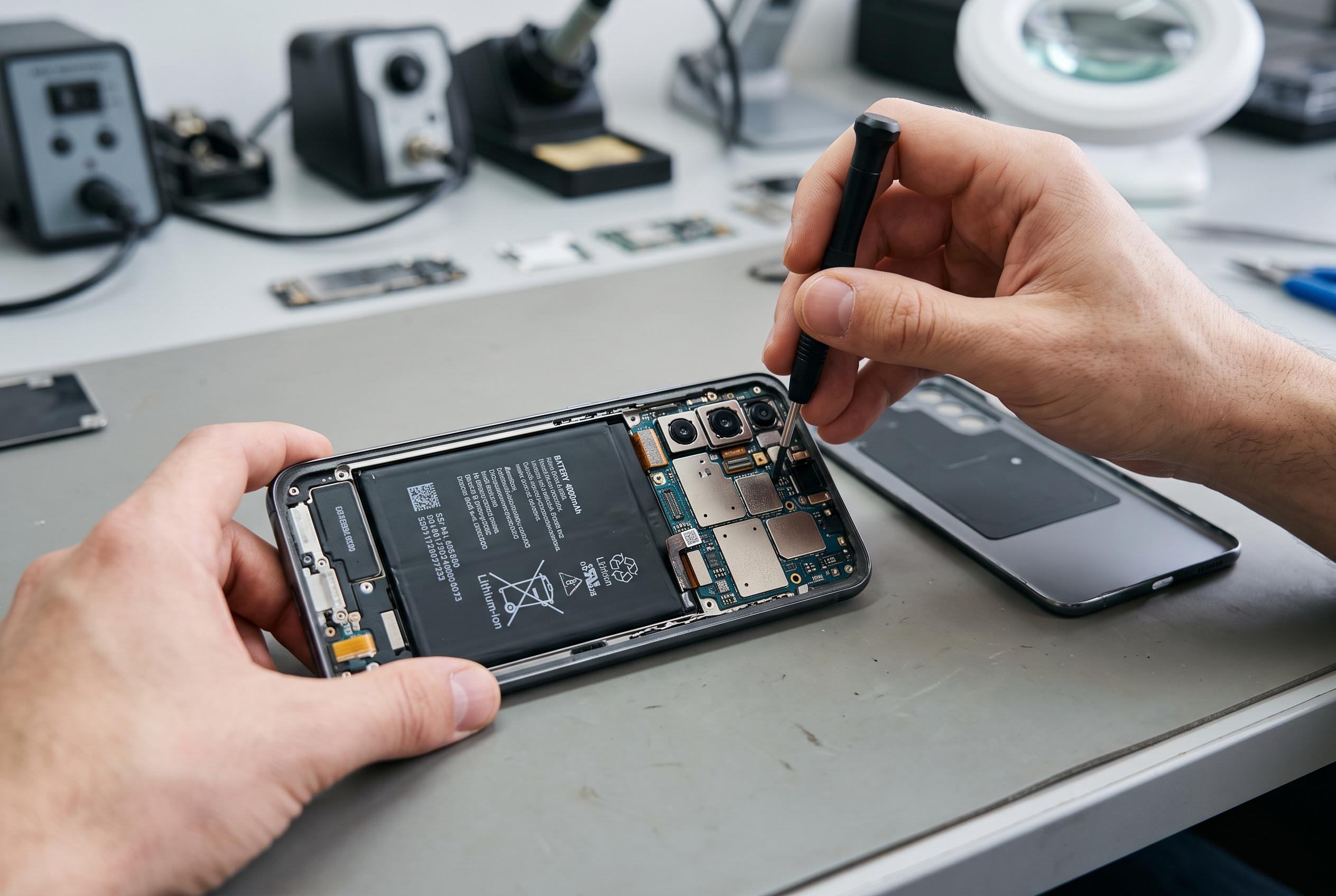

The European Union’s new product rules aim to extend device lifespan, improve repairability, and reduce electronic waste, with stricter standards on software support, spare parts, and battery accessibility coming into force from 2025 onward.
The European Union’s new product rules are pushing smartphone and tablet makers towards longer-lasting devices, easier repairs and a slower path to obsolescence. According to the original report, the aim is to cut electronic waste while making ownership less expensive for consumers, with the biggest changes centred on software support, spare parts and battery access.
The first stage of the regime took effect on June 20, 2025, under the EU’s ecodesign framework. The European Commission says phones and tablets sold in the bloc must now meet tougher standards for drop resistance, dust and water protection, battery endurance and repairability. Devices must also receive operating system updates for at least five years after the final unit of a model is placed on the market, while critical spare parts must remain available for up to seven years.
RepairScore’s summary of the rules says smartphones are covered by additional spare-parts obligations, including batteries, displays and charging ports. It says manufacturers must supply those components to repair professionals within five working days and keep prices reasonable. The Commission’s repair directive, adopted in June 2024 and set to apply from July 31, 2026, is designed to reinforce that framework by making repair a more realistic option for consumers.
The most visible change for many users is due in February 2027, when portable batteries in many devices are expected to be removable with ordinary tools rather than glue, heat or proprietary equipment. A Commission-backed product listing says batteries will need to endure at least 800 charge cycles while retaining 80% of their original capacity, which helps explain the regulatory push towards better cell chemistry and smarter charging limits. Globalnorm says the law includes exceptions for devices built for splash, jet or underwater exposure, where sealing requirements make simple removal impractical.
The shift does not amount to a return to the easily opened plastic phones of a decade ago. Manufacturers can still use glass and aluminium, provided internal layouts allow practical battery replacement. Fairphone and HMD have already moved towards modular designs, making it easier to change screens, cameras and charging ports. Wearables such as smartwatches are excluded from the battery-removal requirement because of space and ergonomic limits, according to the European Commission.
Disclaimer: This content is intended for informational purposes only. Readers are advised to exercise their own judgement, conduct due diligence, or consult a qualified expert before acting on any information provided.