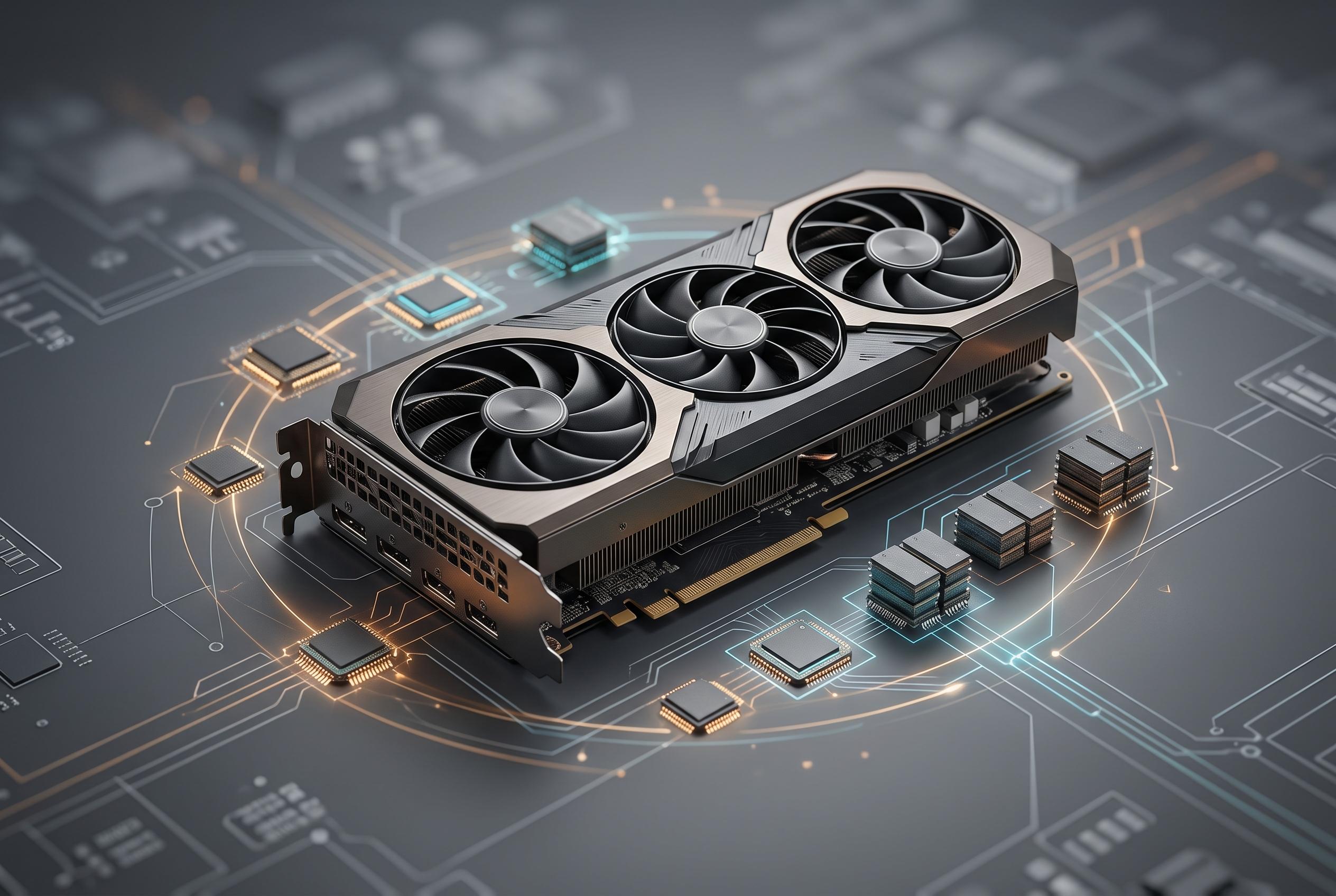

MSI and other manufacturers are planning significant price hikes for gaming graphics cards amid ongoing memory shortages driven by artificial intelligence demand, impacting consumer PC upgrades in 2026.
MSI is reported to be preparing another round of price increases for gaming graphics cards, underscoring how deeply the memory shortage tied to artificial intelligence demand is now affecting the consumer PC market. According to reports from Tom’s Hardware and PCWorld, the company expects to lift prices by between 15% and 30% in 2026 as DRAM and Nvidia GPU supply remain tight.
The pressure is not limited to MSI. Jagatplay reported that ASUS and Gigabyte have already raised GPU prices in China by about 20%, with some flagship models rising even more sharply. MSI is now said to be following the same path, with certain GeForce RTX cards in China increasing by more than 20%, suggesting that board partners are facing a broad cost shock rather than making isolated pricing decisions.
The underlying problem is memory. AI data centres are absorbing a large share of global DRAM output, leaving less capacity for gaming PCs, laptops and other consumer devices. Tom’s Hardware reported that MSI has warned of a roughly 20% gap in Nvidia GPU supply and has been trying to secure longer-term contracts with memory suppliers to reduce its exposure to spot-market pricing.
The scale of the cost inflation is stark. Tom’s Hardware said a 16GB memory module that sold for about $40 a year ago is now fetching roughly $170 to $180, with some spot trades reaching $200. MSI has also indicated that it holds only one to two months of secure memory inventory, leaving the company vulnerable if conditions worsen.
For PC buyers, the immediate effect is straightforward: upgrades are becoming harder to justify. Graphics card prices have already moved far above launch levels in many markets, and Tom’s Hardware reported that the latest Nvidia and AMD boards have continued to rise despite weak discounting. If memory costs stay elevated, more buyers are likely to keep older cards for longer, turn to the second-hand market or settle for lower-tier hardware than they had planned.
Disclaimer: This content is intended for informational purposes only. Readers are advised to exercise their own judgement, conduct due diligence, or consult a qualified expert before acting on any information provided.