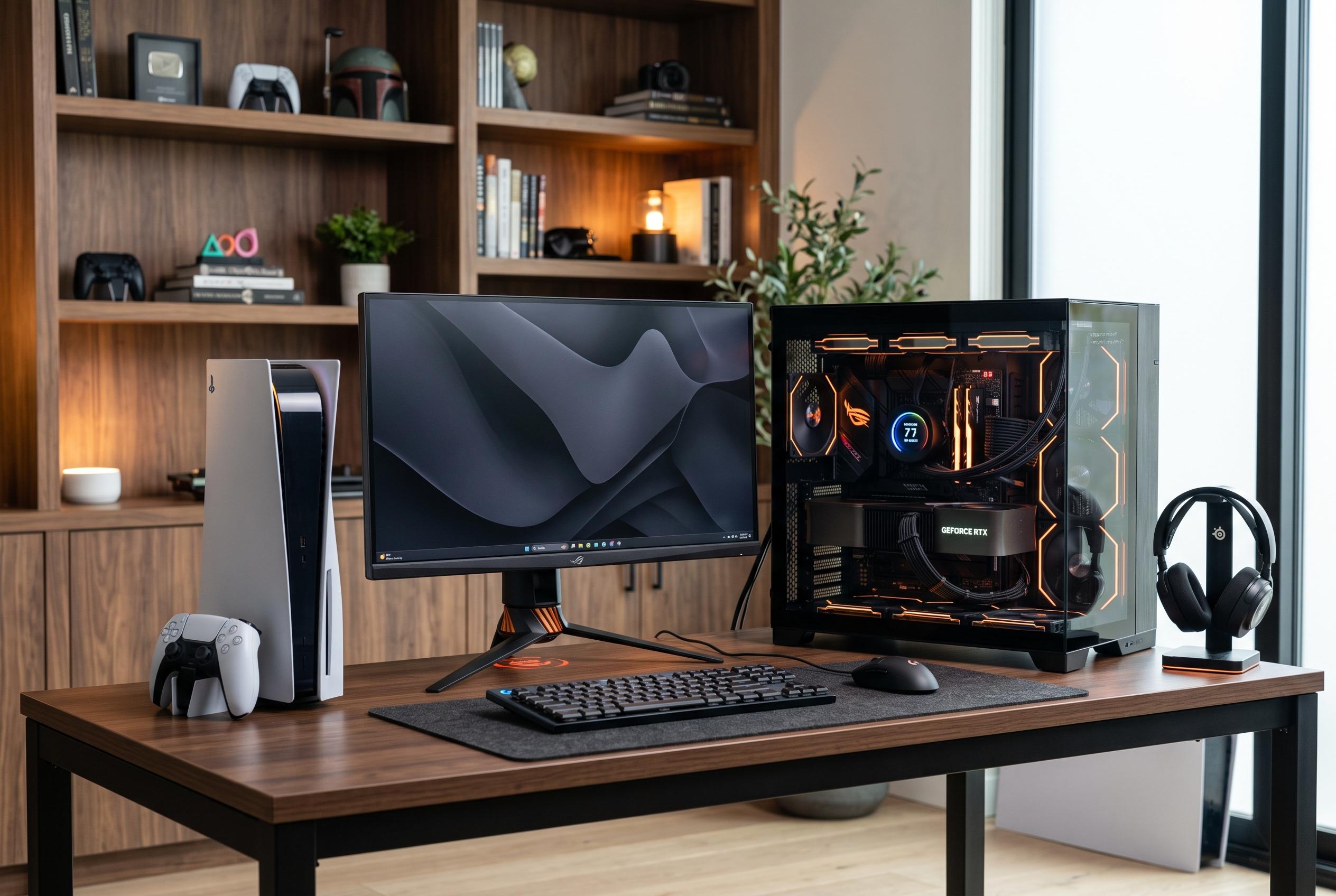

Rising costs for computer chips driven by artificial intelligence data centres are pushing up prices and dampening sales of gaming consoles and PCs, with industry experts warning the shortage could persist into 2028.
High prices are increasingly weighing on gaming hardware, as a shortage of computer chips pushes up the cost of memory and other components used in consoles and gaming PCs. Felix Falk, chief executive of Germany’s game industry association, said the pressure is being driven by intense demand from artificial intelligence data centres, which are absorbing large volumes of chip capacity and making it harder for consumer hardware makers to secure supply.
In Germany, that squeeze is already showing up in the figures. The association says spending on games hardware fell by 8% in the first half of the year to €1.3 billion. Falk described the situation as “RAMageddon”, a tongue-in-cheek term that combines RAM, or random access memory, with Armageddon. He said the sharpest effect is being felt in gaming PCs, where rising memory prices have fed directly into higher retail prices and weaker sales.
The downturn is not only about component costs. Market timing also plays a part. The launch of Nintendo’s Switch 2 in the spring drew a wave of early buying, which helped lift hardware sales temporarily, but that demand has since cooled. Nintendo president Shuntaro Furukawa has said the company is watching RAM costs closely, although he does not see an immediate effect on Switch 2 earnings. That caution reflects a wider industry view that the pressure may last well beyond this year. Samsung has indicated the shortage could deepen in 2027 and remain tight into 2028, while Epic Games chief executive Tim Sweeney has warned that the problem is likely to remain a serious constraint on high-end gaming for years.
The wider German games market also softened in the first half of the year, with total revenue down 3% to about €4.2 billion. Sales of games themselves slipped 1% to €2.3 billion, while online gaming services, including cloud offerings, rose 3% to €0.6 billion. The industry now turns to Gamescom in Cologne next week, where organisers expect more than 1,600 exhibitors, a record number, and are aiming to match last year’s 357,000 visitors. Organisers say the real measure of the event is no longer just footfall, but its much larger digital reach.
Disclaimer: This content is intended for informational purposes only. Readers are advised to exercise their own judgement, conduct due diligence, or consult a qualified expert before acting on any information provided.