
As concerns over social media dependence grow among teenagers, a new wave of interest in basic phones is emerging, driven by a desire for simplicity, control, and mental wellbeing, marking a notable shift in youth mobile device usage.
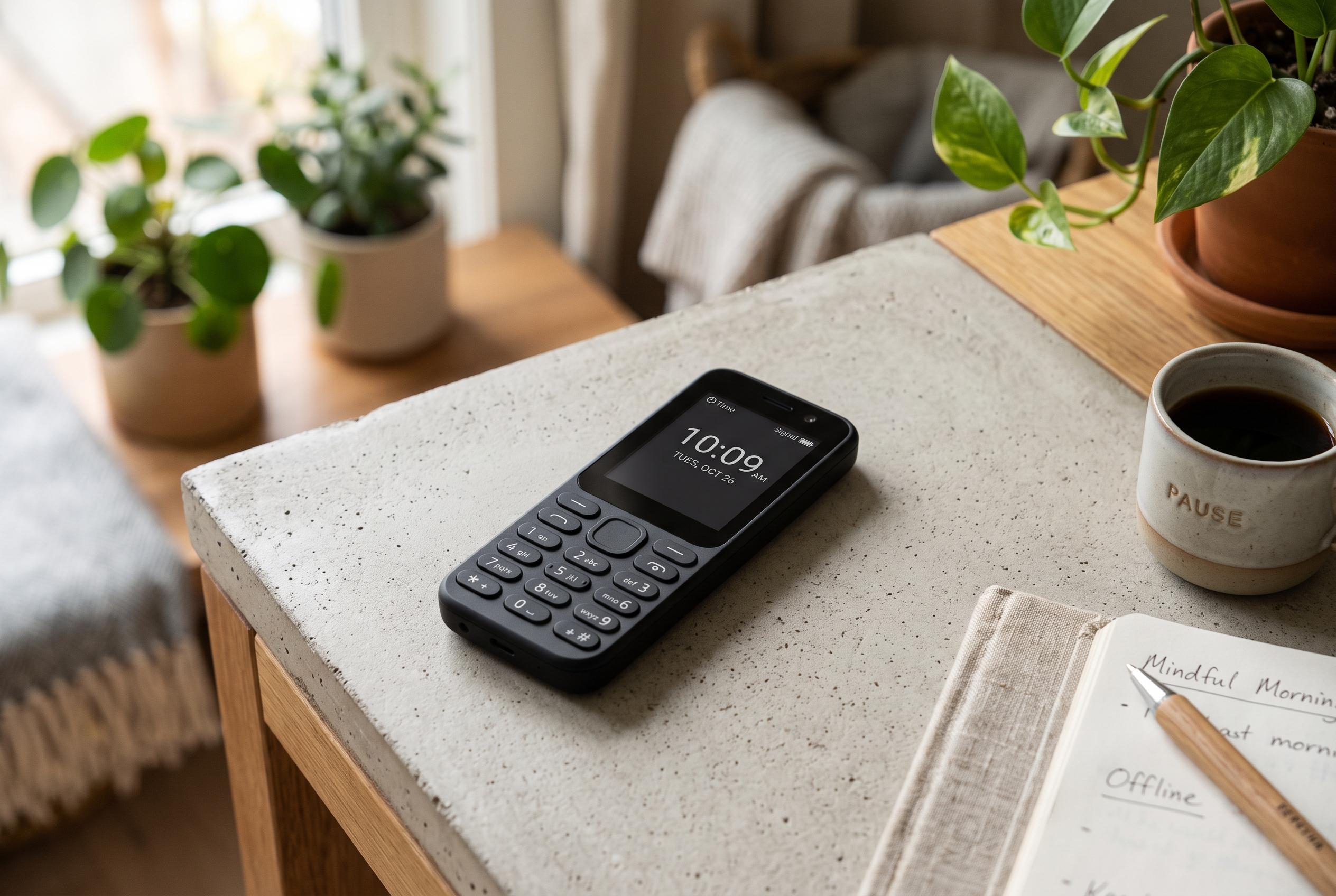
Gen Z is helping to revive interest in so-called dumb phones, as younger users grow more sceptical of constant connectivity and the demands of social media. The shift is part of a broader digital detox movement that favours simpler devices, fewer notifications and less time spent in endless feeds. Reuters has not reported on this specific trend, but recent survey and industry data suggest it is moving from niche curiosity towards a small but measurable market.
That unease has a clear backdrop. Pew Research Centre found in 2024 that almost half of US teenagers are online almost constantly, and its separate research on screen time showed that many teens say they feel happier and calmer without their phones, even as others report anxiety when disconnected. Pew also found that teen use of platforms such as Facebook and X has fallen over the past decade, while YouTube, TikTok, Instagram and Snapchat remain deeply embedded in daily life. That combination of dependence and fatigue helps explain why some younger users are looking for devices that do less.
The commercial case is still modest, but it is growing. Research and Markets expects the feature-phone market to rise from $39.11 billion in 2025 to $49.66 billion by 2030, indicating steady demand for basic handsets. Light, maker of the minimalist Light Phone, told CNN it has more than 100,000 users across three generations of devices. Punkt, the Swiss company behind the MP02 4G and similar phones, said it sells about 50,000 phones a year across its range. HMD, which licenses the Nokia brand, has also revived the Nokia 3210 and said flip-phone sales doubled between 2022 and 2023.
Social media has helped fuel the backlash against social media. Online campaigns such as the Bring Back Blackberry petition and TikTok’s #bringbackflipphones have turned older handset designs into symbols of restraint rather than nostalgia alone. Axios reported in April and May 2026 that Gen Z is leading a wider movement towards phone-free spaces, digital detox retreats and more intentional device use, while The Atlantic described a 30-day “Flip-Phone Cleanse” that swaps smartphones for simplified handsets. The pattern suggests the appeal of dumb phones is not simply about technology, but about control, attention and a wish to spend more time away from the infinite scroll.
Disclaimer: This content is intended for informational purposes only. Readers are advised to exercise their own judgement, conduct due diligence, or consult a qualified expert before acting on any information provided.