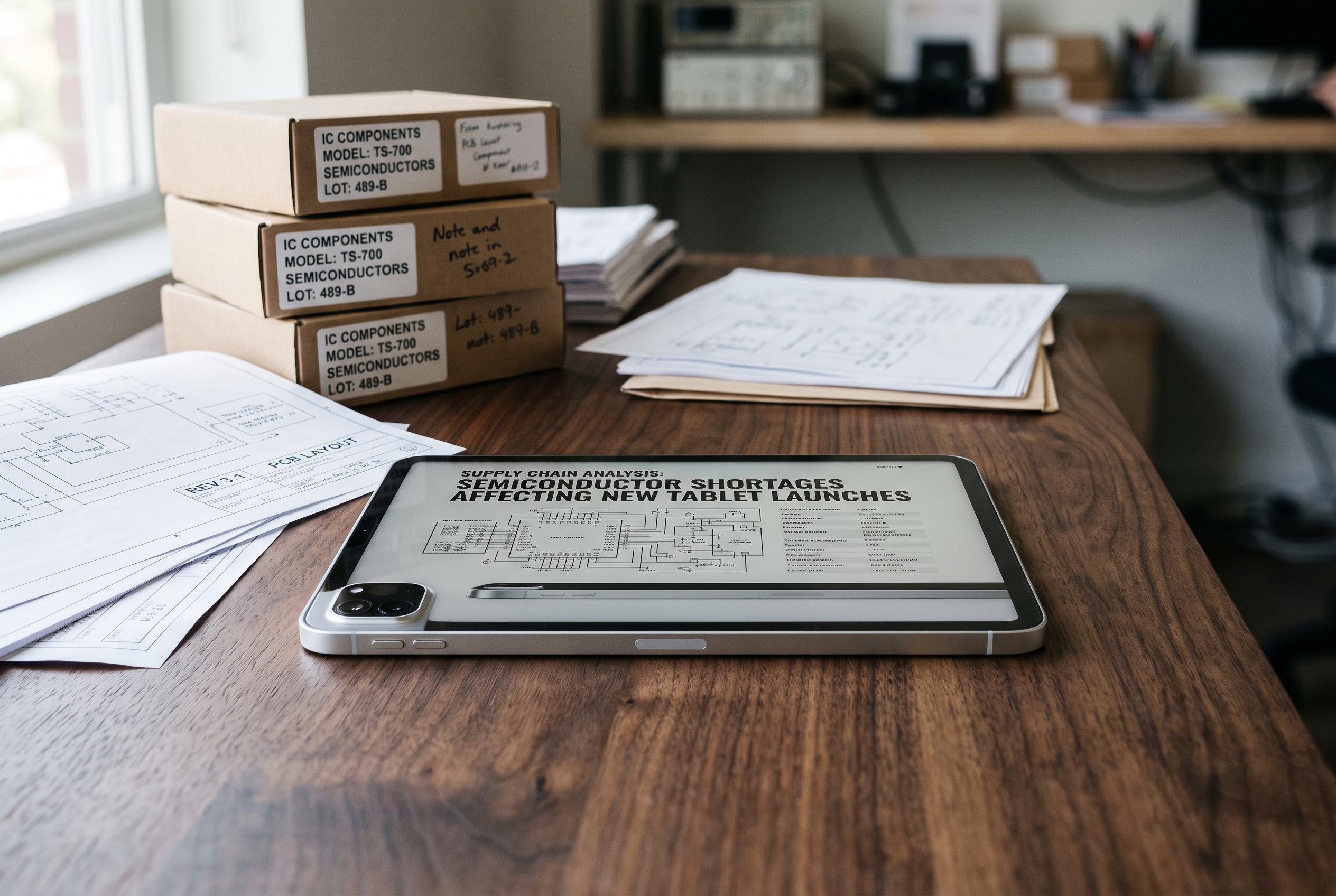

Global tablet shipments declined 10% year on year in Q2 2026, as supply shortages and rising prices push manufacturers towards premium models, signalling a disruptive shift in the tablet industry.
Global tablet shipments fell 10 per cent year on year to 36 million units in the second quarter of 2026 as component shortages and higher prices squeezed demand, according to Omdia. The research firm said the period marked an unusual break from the tablet market’s normal second-quarter uplift, when back-to-school buying often supports sales, and described the decline as one of the sharpest seen in the category over the past 2 years.
Himani Mukka, a research manager at Omdia, said the slowdown had been expected but came after several quarters in which the market proved more resilient than analysts had forecast. She said tablets remain important in homes and workplaces, particularly as detachable models increasingly take on functions once handled by traditional PCs. In Omdia’s view, demand is still being supported by larger-screen devices, education use and field-based commercial applications, even as the wider market weakens.
The supply squeeze is also shaping vendor strategy. Omdia said manufacturers are likely to channel limited components into flagship and higher-margin models rather than fight for share in the cheaper end of the market. That shift is expected to push the category further towards premium devices, with more emphasis on services, artificial intelligence features and tightly targeted use cases. The firm also expects the market to stay under pressure through the rest of 2026, as scarce low-cost inventory may lift prices and delay purchases.
Apple remained the leading tablet vendor, shipping 13.5 million iPads, down 8 per cent from a year earlier, and taking 38 per cent of the market. Samsung held second place despite a 13 per cent fall in shipments to nearly 6 million units. Lenovo was the strongest performer among the top five, with shipments rising 27 per cent, helped by both genuine demand and inventory buying ahead of price rises and retail promotions. Xiaomi slipped 7 per cent to 2.8 million units, while Huawei fell 16 per cent to 2.7 million.
The same supply pressures are affecting the wider personal computing market. IDC has already cut its 2026 PC shipment outlook, citing memory shortages, rising component costs and supply chain disruption, while separate market reports in July pointed to declines in both smartphone and PC shipments as vendors passed higher input costs on to buyers. Omdia’s latest tablet data suggests the industry’s price shock is broadening, with budget devices and education-focused products likely to remain the most exposed.
Disclaimer: This content is intended for informational purposes only. Readers are advised to exercise their own judgement, conduct due diligence, or consult a qualified expert before acting on any information provided.