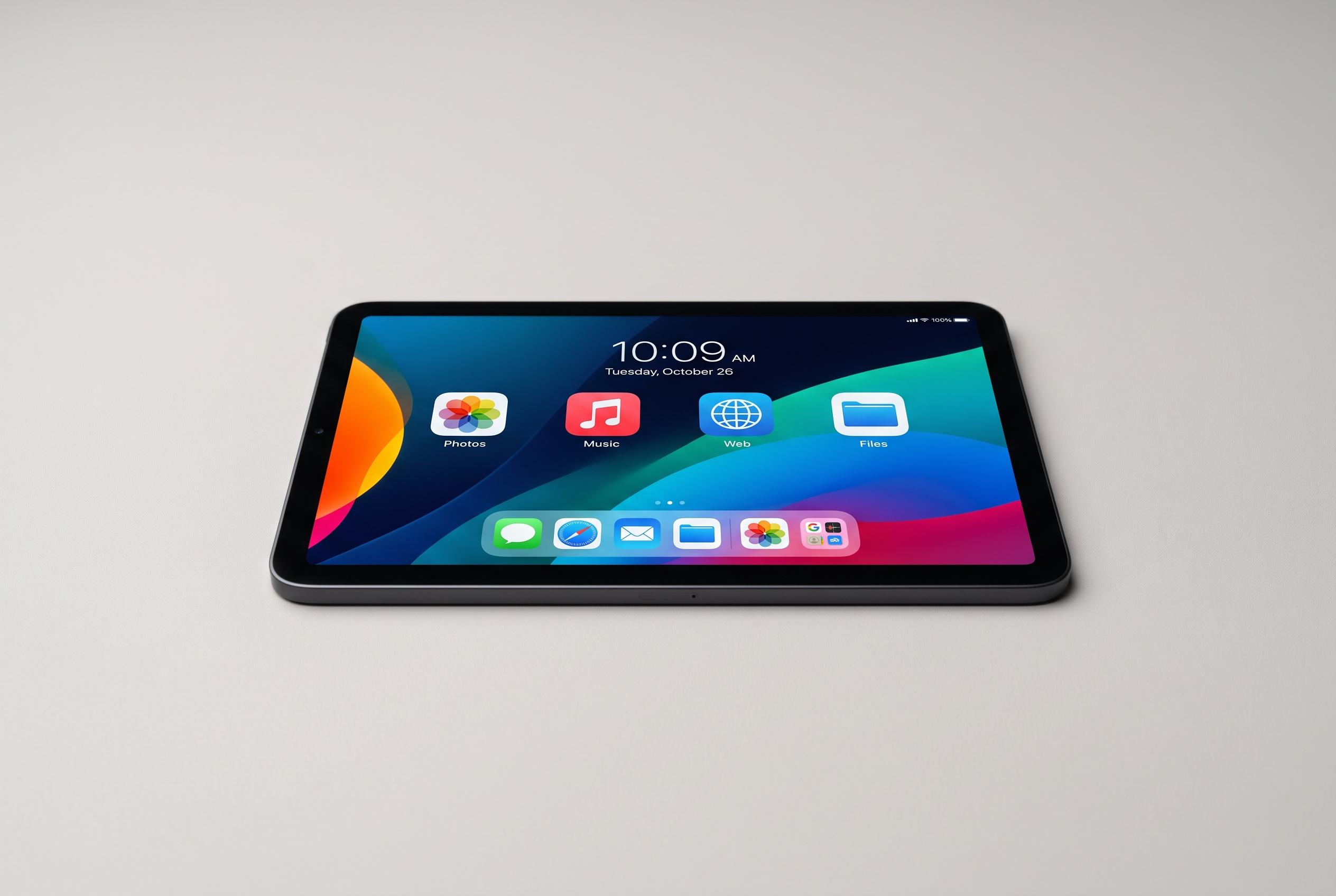

Worldwide tablet shipments dropped by nearly 10% in the second quarter of 2026, marking a notable slowdown driven by component shortages and rising costs, with Apple maintaining market dominance despite the decline.
Global tablet shipments fell sharply in the second quarter of 2026 as component shortages and higher prices continued to squeeze the market, according to Omdia. The research firm said worldwide deliveries came to about 35.5 million units between April and June, down 9.9% from a year earlier, a decline that is especially notable because the period usually benefits from back-to-school demand.
Apple was not immune to the slowdown. Omdia said iPad shipments slipped 8% year on year to 13.5 million units in the quarter, leaving the company with a market share of about 38%. Even so, Apple remained comfortably ahead of its rivals, with the entry-level iPad accounting for most of its shipments.
Samsung held second place with roughly 5.8 million tablets shipped and a 16.3% share, while Lenovo was the only top-five vendor to grow, lifting shipments 27.1% from a year earlier. Xiaomi ranked fourth with an 8% share and Huawei completed the top five with 7.7%.
The latest figures mark a reversal from the first quarter, when Omdia said the global tablet market was essentially flat and Apple sold about 15 million iPads, giving it a 40.1% share. That earlier strength makes the second-quarter decline look less like a one-off wobble and more like evidence of a market losing momentum as supply constraints bite.
Omdia said manufacturers are being forced to decide which product lines deserve scarce components, and tablets do not appear to be at the top of the list. The firm also expects vendors to focus increasingly on premium models, which could leave lower-priced devices harder to find. Rising prices are adding another brake, encouraging some buyers to postpone upgrades. Still, tablets remain deeply embedded in homes, classrooms and some workplaces, especially larger-screen models that can serve as partial laptop replacements.
For Apple, the drop is a setback but not a loss of control. The company’s iPad continues to dominate a market that is clearly under strain, and the next few months will show whether the second-quarter weakness was temporary or the start of a tougher phase for tablets.
Disclaimer: This content is intended for informational purposes only. Readers are advised to exercise their own judgement, conduct due diligence, or consult a qualified expert before acting on any information provided.