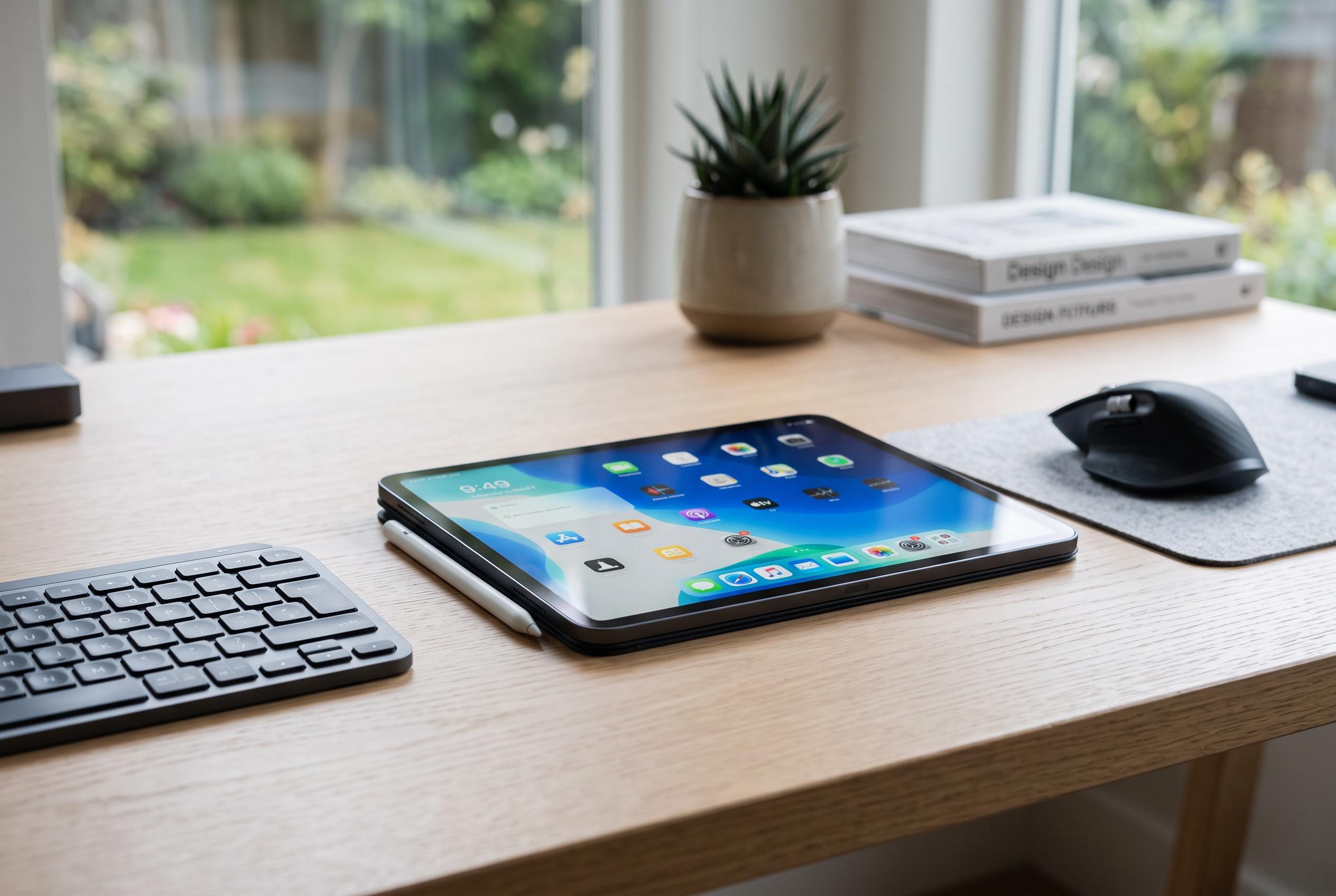

Global tablet shipments declined sharply in Q2 2026, driven by supply shortages, higher prices, and a strategic move by vendors towards premium models, despite Apple maintaining market dominance.
Global tablet shipments fell 10 per cent year on year to 36 million units in the second quarter of 2026, according to Omdia, in a setback that was both sharper than expected and unusual for the period. The research firm said the market normally benefits from back-to-school buying in the second quarter, but this year that seasonal lift was overshadowed by supply constraints and higher prices. Omdia research manager Himani Mukka said the past quarter marked one of the steepest drops in two years, even though the slowdown had been anticipated.
The pressure on tablets reflects a wider strain across personal computing. IDC had already cut its 2026 outlook in March, warning that global PC shipments would decline by 11.3 per cent and tablet shipments by 7.6 per cent as memory shortages, component inflation and supply disruption persisted. That backdrop appears to have deepened through the spring, with Omdia saying vendors are increasingly reluctant to prioritise tablets when limited parts must be reserved for more profitable devices.
Apple remained the clear market leader despite an 8 per cent annual decline in shipments. Omdia said the company shipped 13.5 million iPads in the quarter, giving it a 38 per cent share of the market. The standard iPad accounted for most of that volume, while the Air and mini models made up a smaller proportion. Samsung held second place with almost 6 million units shipped, though its volumes fell 13 per cent from a year earlier. Omdia expects both companies to keep steering their portfolios towards premium products as supply stays tight.
Among the top five vendors, Lenovo was the only company to post growth, with shipments rising 27 per cent year on year. Omdia said that reflected both genuine demand and channel stocking ahead of expected price rises and major retail promotions. Xiaomi came fourth with 2.8 million units, down 7 per cent, supported by strong demand in mainland China and steadier momentum elsewhere in Asia-Pacific. Huawei completed the top five with 2.7 million units, a decline of 16 per cent.
Omdia also said the Chromebook market remained under severe pressure, with memory now taking up an unusually large share of bill of materials costs for low-end and education devices. Lenovo kept the lead in that segment, with shipments down just 3 per cent to 1.76 million units, while Asus recorded the strongest gain, up 66 per cent to 749,000 units. The firm said delays to some pre-agreed school deployments, plus tougher comparisons with last year’s elevated education demand, were weighing on the category. It expects the rest of 2026 to stay weak as vendors focus on higher-margin hardware, services and newer software strategies.
Disclaimer: This content is intended for informational purposes only. Readers are advised to exercise their own judgement, conduct due diligence, or consult a qualified expert before acting on any information provided.