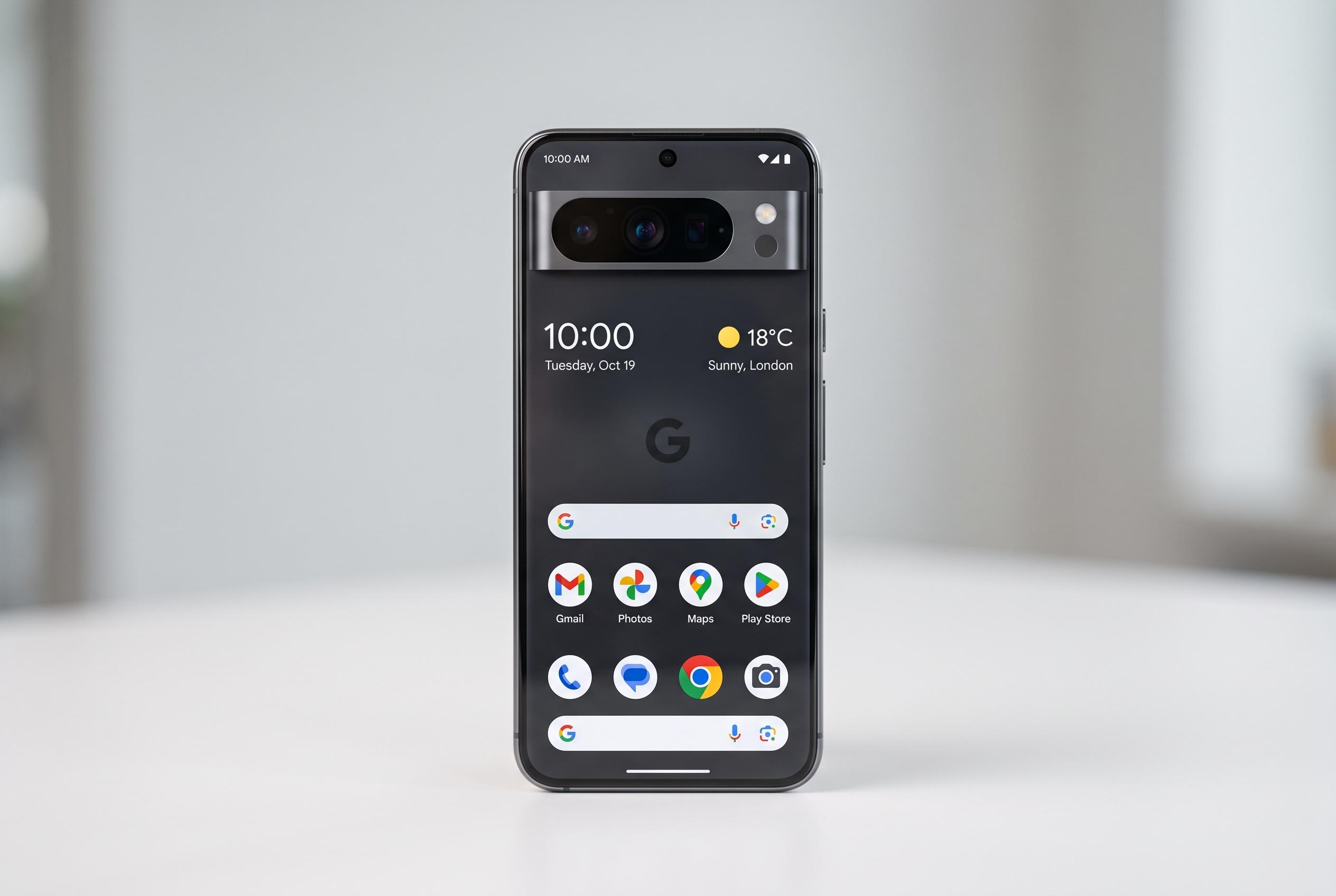

The upcoming Pixel 11 series is set to challenge Samsung more directly on price, but its value may hinge more on Google’s software ecosystem than hardware innovations, amidst rising costs and modest hardware upgrades.
Google’s next Pixel line is shaping up to be less of a bargain than past generations, but perhaps a more direct challenger to Samsung on price. ZDNET reports that the Pixel 11 series is expected to arrive at Google’s Made by Google event on 12 August, with pre-orders likely opening that day and retail availability following around 20 August. If the leaks are accurate, the standard Pixel 11 will start at $899, while the Pixel 11 Pro, Pixel 11 Pro XL and Pixel 11 Pro Fold are tipped at $1,099, $1,299 and $1,899 respectively. That would push Google firmly into Samsung territory, ending the long-standing advantage that made Pixels easier to recommend on price alone.
The pricing shift appears to be driven in part by rising memory costs. Android Central says Google has acknowledged a supplier-led RAM crunch, with the price of 1GB of RAM climbing sharply over the past year, and that the Pixel 11 family will start with 256GB of storage rather than 128GB. That helps soften the sticker shock for the base model and the Pixel 11 Pro, but it also means the series is no longer trying to win on entry price. PhoneArena has also questioned the logic of the structure, noting that some higher-end models may arrive with less RAM at the same time as higher prices, which muddies the value message further.
On hardware, the Pixel 11 line still looks competitive rather than class-leading. Leaks compiled by Gizmochina point to Google’s Tensor G6 chip, a 6.3-inch OLED display on the standard model, a new 50MP main sensor and a battery of roughly 4,840mAh. Android Central says the design will stay close to the Pixel 10, though it may add a new light-up notification feature around the camera bar and switch modem suppliers in a bid to improve efficiency and connectivity. TechRadar’s reporting on leaked Amazon listings suggests the Pro models may bring muted colour options and only modest gains, which has left some early observers underwhelmed.
That is why the real argument for Pixel may still come down to software, not hardware. Google’s phones are the first to receive major Android releases and Pixel Drop features, which add extras such as call screening, message handling tools and camera tricks that Samsung phones do not get in the same form. ZDNET argues that this ecosystem advantage, rather than a lower purchase price, is now the clearest reason to choose a Pixel. Samsung still tends to win on raw hardware, broader device polish and extras such as DeX and Knox, but Google’s cleaner Android experience and faster access to new features remain a strong draw for buyers who care more about software than specifications.
Disclaimer: This content is intended for informational purposes only. Readers are advised to exercise their own judgement, conduct due diligence, or consult a qualified expert before acting on any information provided.