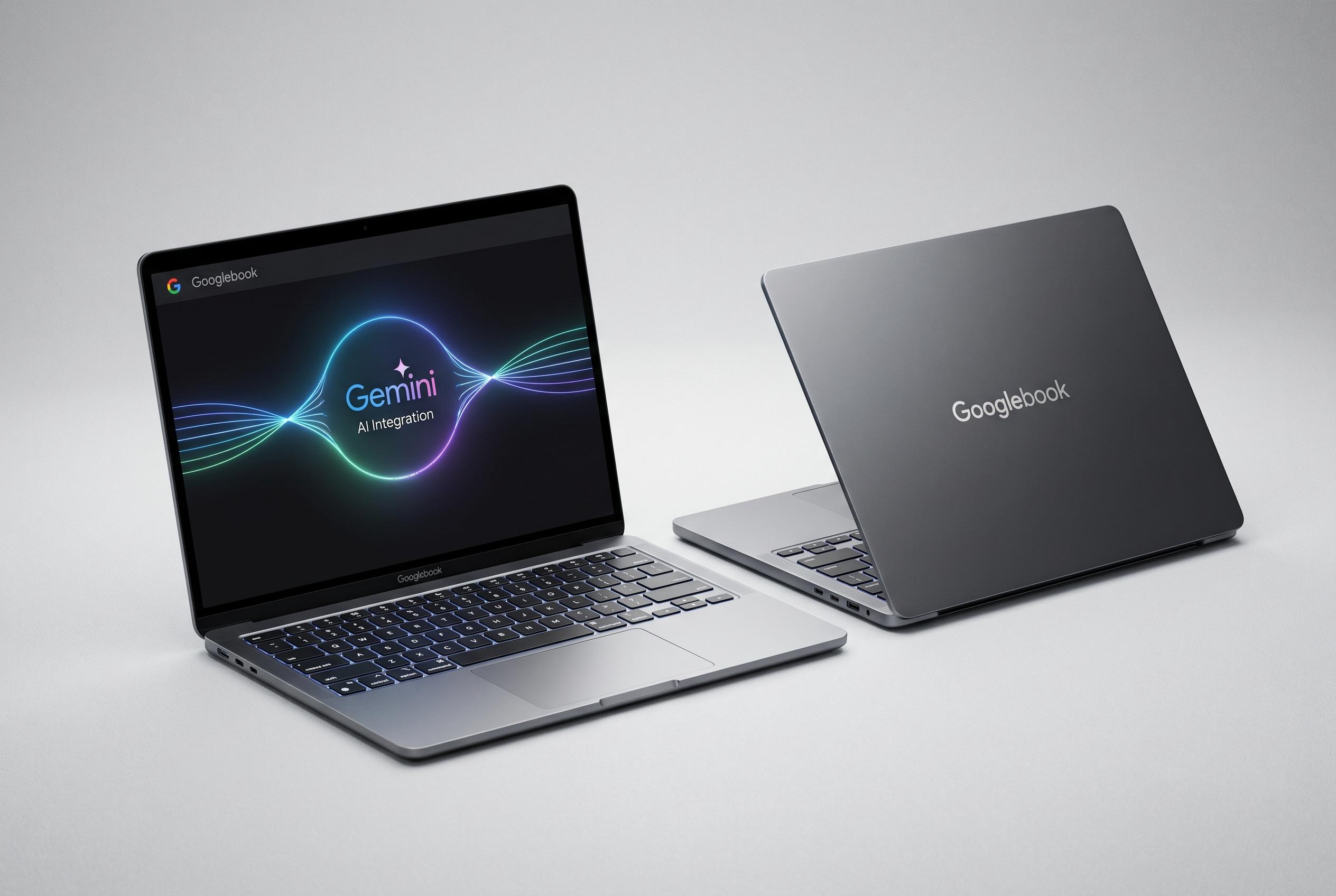

Leaked images reveal Google’s upcoming Googlebook line, boasting premium design, AI features, and tighter integration across Android and Chrome OS, with Asus and Lenovo among the first to launch these innovative laptops this autumn.
Asus is preparing a fresh wave of laptops for next month’s IFA exhibition, and leaked images suggest the company is ready to showcase hardware built for Google’s next notebook push. The pictures appear to show one of the first detailed looks at a new Googlebook machine, a category Google introduced in May and has not yet fully defined in relation to the long-running Chromebook line.
Googlebook is shaping up as a more ambitious platform than standard Chromebooks. According to Android Central, the new line is tied to Google’s Aluminium OS, an Android-based operating system designed for laptops, with a strong emphasis on Gemini and other AI features. The platform is expected to blend Android apps, Google Play access and tighter links to Android phones, Chrome and elements of Chrome OS.
The leaked Asus device also suggests Google is pushing vendors towards more premium industrial design. The notebook is said to use an Ultra-Ceramic Light Alloy chassis that is lighter and stronger than the previous design, while retaining a broad selection of ports, including 3.5mm audio, two USB-C ports, two USB-A ports and a full-size HDMI connector. Google is also said to be standardising a light bar called the Glowbar across Googlebook devices, giving the line a more recognisable visual identity.
Lenovo appears to be developing its own Googlebook model as well, although fewer details have emerged. The reported design also includes the HiLight lighting element and a similar port layout, which may indicate that Google is imposing fairly specific hardware requirements on partners. Acer, Dell, HP, Asus and Lenovo are all expected to be among the first manufacturers to bring the new laptops to market later this autumn, according to Android Central.
The timing matters because it comes as Asus continues to widen its laptop portfolio across premium consumer and gaming segments. At CES 2026, the company unveiled refreshed Zenbook S14 and S16 models with newer Intel and AMD chips and AI-ready NPUs, while the ROG Zephyrus line has already moved further upmarket with high-end OLED displays and graphics options. That broader strategy suggests Asus is positioning itself for a market in which laptop buyers increasingly expect thin designs, strong battery life, heavier AI integration and a wider set of connectivity options.
Disclaimer: This content is intended for informational purposes only. Readers are advised to exercise their own judgement, conduct due diligence, or consult a qualified expert before acting on any information provided.