
Google leverages its Pixel hardware release to promote adaptive app development, focusing on seamless experiences across foldables, Wear OS devices, and enhanced on-device AI capabilities, shaping the future of responsive software design.
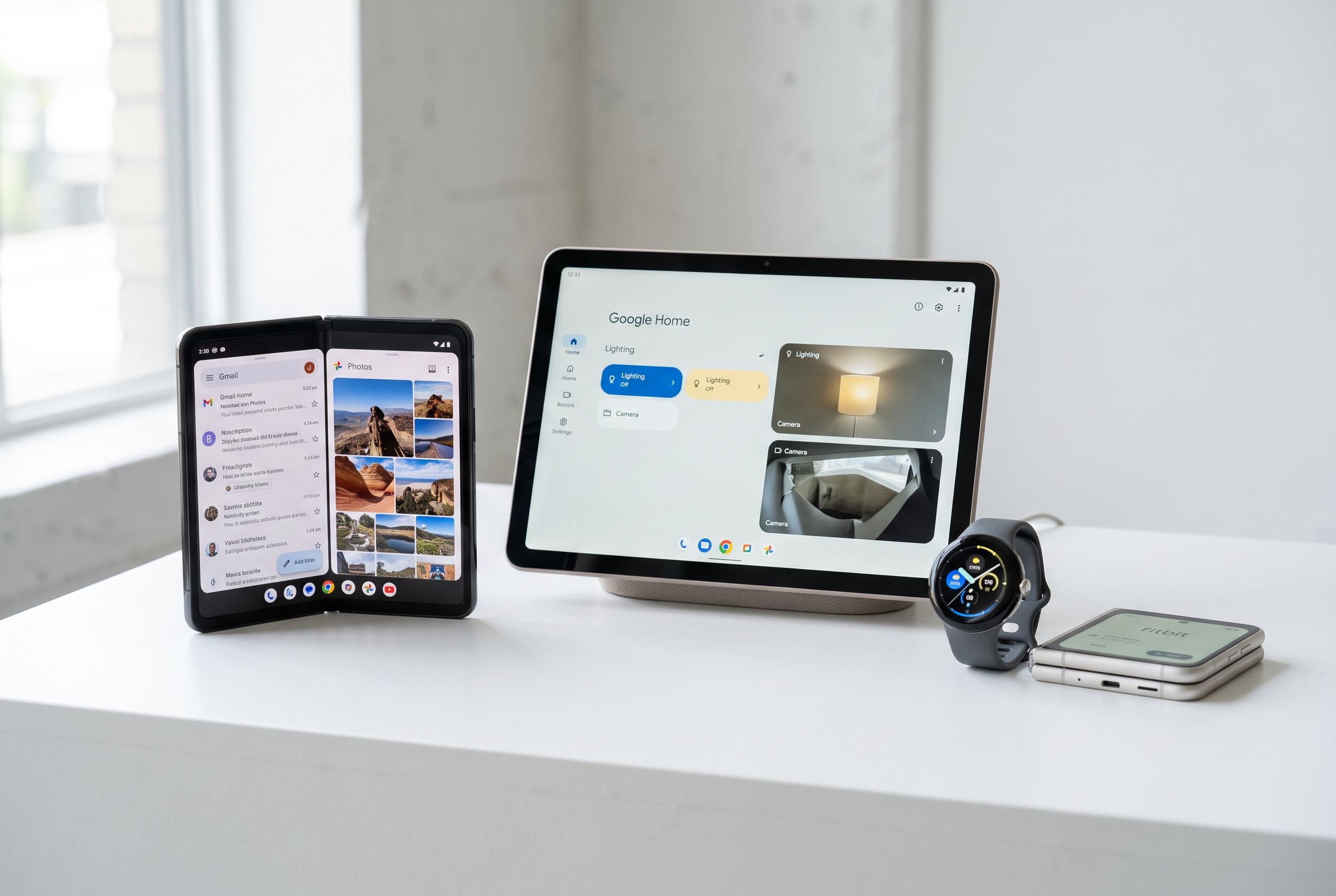
Google is using its latest Pixel hardware launch to push developers towards apps that adjust more cleanly across foldables, watches and on-device AI. In a blog post tied to Made by Google, Android developer relations staff said the Pixel 11 Pro Fold, Pixel Watch 5 and the wider Pixel line are intended to showcase how software can move more naturally between screen sizes and usage modes, with the company arguing that foldable users spend far more than standard phone users. The broader message is that developers do not need to rebuild from scratch, but should design for changing window sizes, postures and device states from the outset.
For foldables, Google is steering developers away from fixed layouts and towards adaptive interfaces built around available space rather than the physical device itself. Its guidance points to Jetpack Compose tools such as Navigation 3, Scene strategies and newer Grid and FlexBox APIs, alongside the experimental MediaQuery API for reacting to posture and keyboard state. Google also highlights Window Size Classes in the WindowManager library for split-screen and multitasking scenarios, where the app window is more relevant than the handset’s dimensions.
The company cites Notability and Flo Health as examples of that approach in production. Ryan Shea, Android Engineering Manager at Notability, said the team used Material 3 Window Size Classes to build a two-pane experience that reflows between folded and expanded screens, with the aim of making the app “feel native at every size, not just stretched to fit.” Flo Health, meanwhile, used Jetpack Compose state primitives, ViewModel and Window Size Classes to keep key journeys stable during rotation, folding and resizing. Aleksandr Kolodiazhnyi, a senior Android engineer at Flo Health, said the adaptive guidance turned a major refactor into a templated rollout and cut state-preservation code by roughly 30%, while also improving lifecycle and analytics correctness.
Google’s foldable guidance also stresses posture-aware design. When a device is half-folded into tabletop mode, the company says developers can split controls and content across the two halves of the screen. For camera apps, it recommends CameraX for automatic handling of sensor rotation and display scaling, while existing Camera2 code can use CameraViewfinder to remain stable across display changes. The aim is to support dual-screen previews and rear-camera selfies with minimal custom logic.
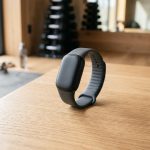
On the wrist, Google is positioning Wear OS 7 and the Pixel Watch 5 as a platform for quicker, touch-light interactions. The one-handed gestures framework in Compose for Wear OS 7 beta 1.7 supports inputs such as a double pinch and wrist turn, and Google says Spotify is using it to let users pause or resume playback without touching the display. Wear OS 7 also adds Live Updates for real-time information, including sports scores and delivery tracking, while Just Eat is cited as an example of using that surface to show order progress at a glance. Google says Wear Widgets, based on Jetpack Glance and RemoteCompose, are meant to replace older Tiles with layouts that better match mobile widget formats.
Google is also pairing the hardware push with a stronger focus on on-device intelligence. The Pixel 11 devices are built to run Gemini Nano 4 locally, which the company says should enable low-latency AI features without cloud round-trips. Through the ML Kit GenAI Prompt API, developers can send natural-language requests to the model on device, with support for more than 140 languages, multimodal input, structured output and thinking mode. The company also says Android skills can help AI agents perform tasks such as setting up adaptive Compose layouts or camera scaling workflows, as it tries to make app development more automated as well as more responsive.
Disclaimer: This content is intended for informational purposes only. Readers are advised to exercise their own judgement, conduct due diligence, or consult a qualified expert before acting on any information provided.