
Industry leaders applaud Prime Minister Narendra Modi’s emphasis on building a robust domestic manufacturing ecosystem, with a focus on semiconductors and integrating into global supply chains to support India’s next growth phase.
Industry leaders on Friday backed Prime Minister Narendra Modi’s Independence Day emphasis on manufacturing, semiconductors and micro, small and medium-sized enterprises, arguing that a stronger domestic industrial base could help India move further into global supply chains and support the next phase of growth. According to the comments released after the address at the Red Fort, the central message was that India should not remain only an assembly centre but build more of the value chain at home.
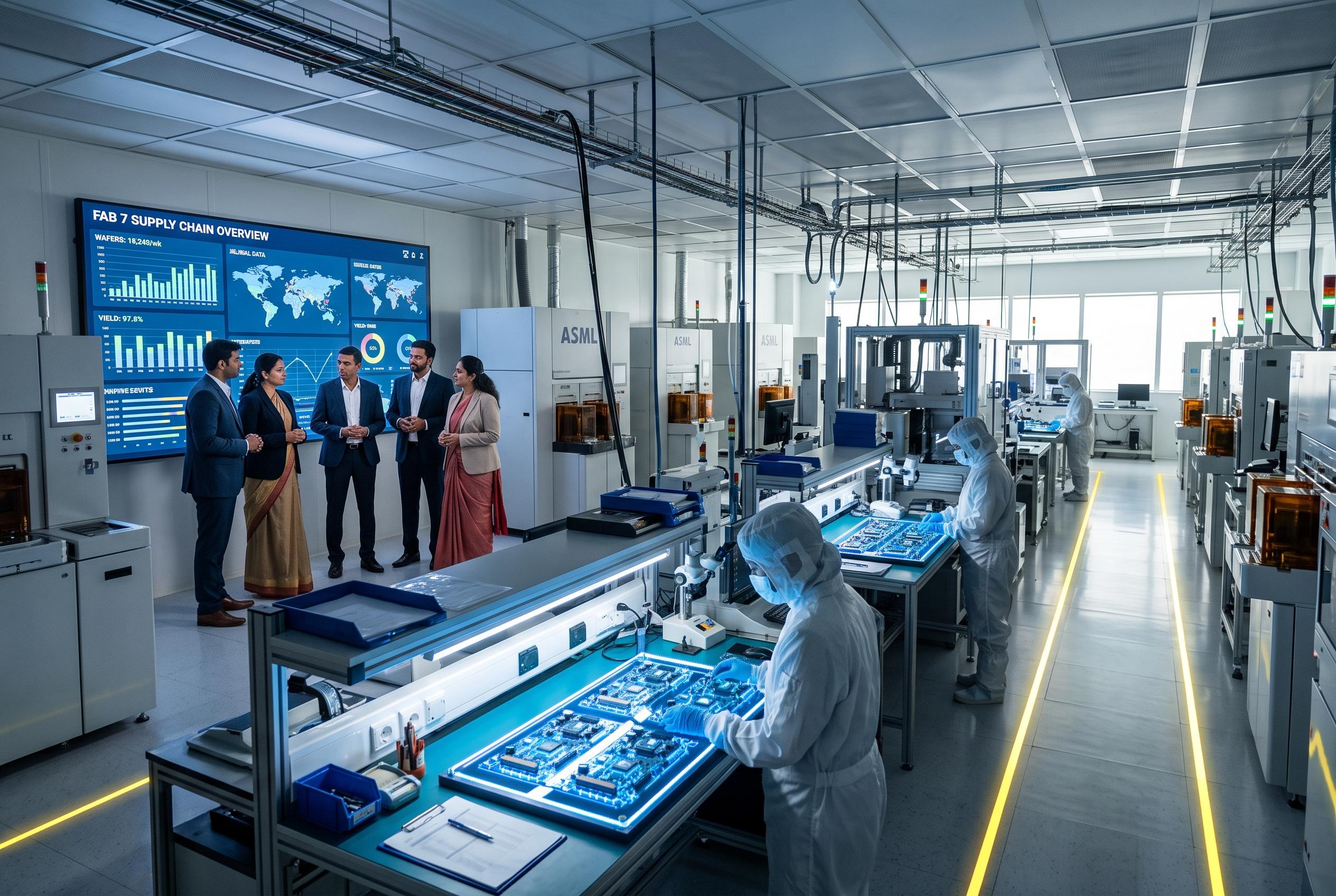
In the semiconductor sector, Pankaj Mohindroo, chairman of the India Cellular and Electronics Association, said the Prime Minister’s pledge to add five to eight chip plants over the next seven to eight years represented a major change in ambition. That view echoes the optimism seen at Semicon India events in recent years, where policymakers and industry leaders have repeatedly cast semiconductors as a strategic industry for India’s technology future, especially as demand rises in areas such as generative artificial intelligence.
The push also builds on a wider effort to position India as a trusted manufacturing partner. At Semicon India 2023, senior executives from more than 50 semiconductor and electronics companies, including AMD, Micron Technology, Applied Materials and Foxconn, announced commitments to invest in India’s chip ecosystem, while External Affairs Minister S Jaishankar described India as a reliable electronics manufacturing collaborator. A separate assessment by the Semiconductor Industry Association and the India Electronics Semiconductor Association said India has clear strengths, but still needs to address barriers such as taxation, customs procedures, infrastructure and the wider business environment if it is to compete more effectively.
Business groups also highlighted the importance of trade policy. Chandrajit Banerjee, director general of the Confederation of Indian Industry, said wider market access through free trade agreements could help agriculture and food-processing businesses build recognisable global brands around millets, spices, fruits and flowers, while Nirmal Kumar Minda of the Associated Chambers of Commerce and Industry of India said stronger integration into global value chains could open new opportunities for exporters and smaller firms. The Prime Minister has urged MSMEs to make greater use of India’s expanding trade agreement network, with an emphasis on meeting international standards on cost, quality and scale.
Disclaimer: This content is intended for informational purposes only. Readers are advised to exercise their own judgement, conduct due diligence, or consult a qualified expert before acting on any information provided.