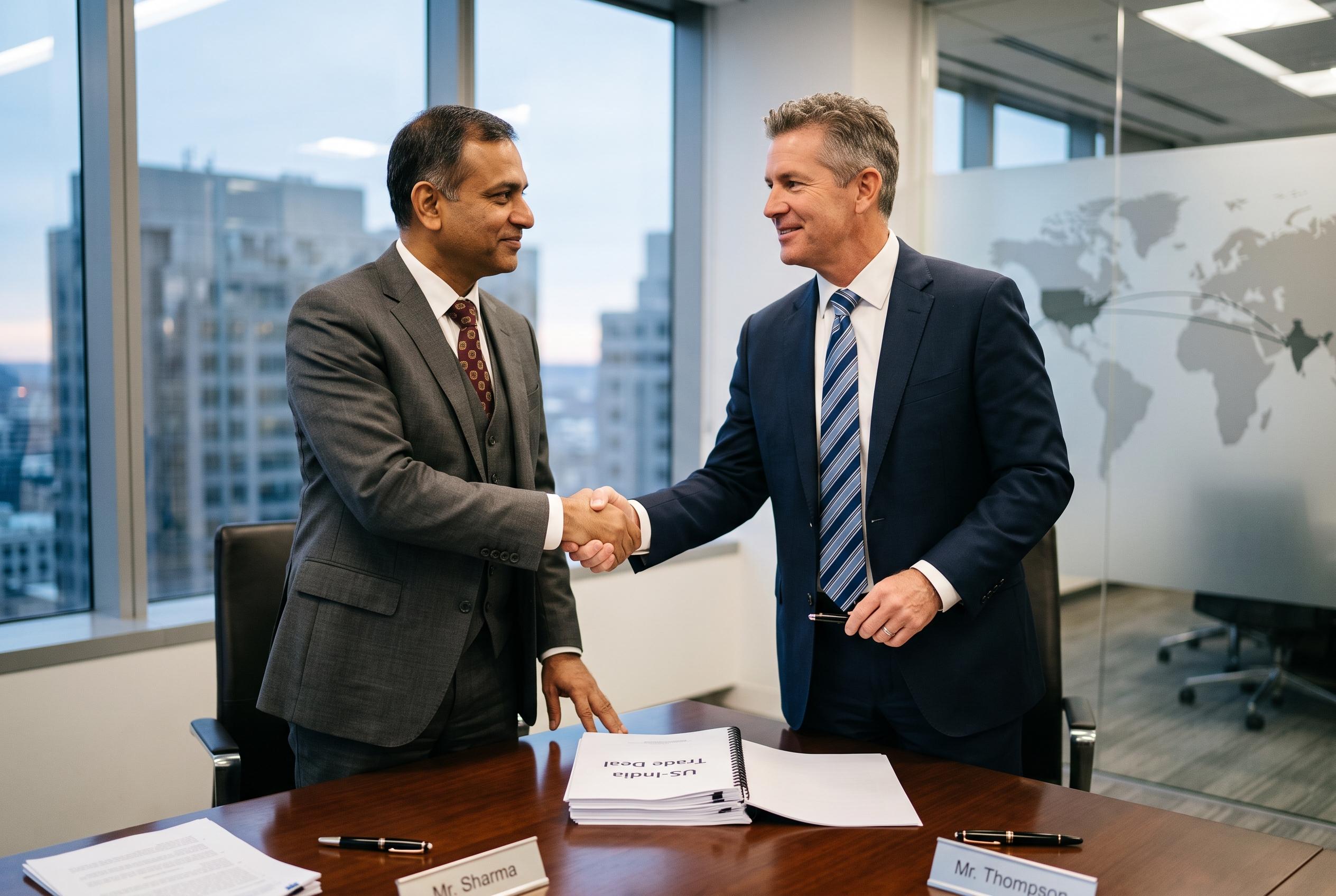

A parliamentary report highlights the need for India to accelerate its bilateral trade negotiations with the US while implementing robust safeguards for vulnerable sectors, amidst increasing tariffs and trade pressures.
India should move quickly to conclude its proposed bilateral trade agreement with the United States, but only with firm safeguards for exporters, according to a report from the Parliamentary Standing Committee on Commerce. The panel said an early deal could give both countries a more stable trading framework, provided India protects sectors that are vulnerable to future tariff changes.
The committee urged the government to seek full exemption for products such as generic medicines, critical minerals and smartphones from any fresh US tariff increases. It also recommended a dedicated watch desk in the Directorate General of Foreign Trade to track US customs audits and alert exporters to regulatory shifts, alongside faster dispute resolution and Mutual Recognition Agreements in professional services, pharmaceuticals and agriculture.
The report said services trade with the US has expanded sharply, but imports are rising faster than exports. India’s services exports to the US reached $51.2 billion, while imports stood at $47.32 billion, and bilateral services trade more than doubled from $40.53 billion in 2014 to $98.52 billion in 2024. The committee also called for tighter attention to currency swings, logistics costs and other pressures on MSME-led exports, which remain exposed to volatile commodity prices and higher tariff barriers.
The panel further pressed for deeper integration of Indian manufacturers into US supply chains, greater American investment in electronics, semiconductors and clean energy, and market-linked support for textile and gems-and-jewellery exporters. It also urged tariff cuts on engineering goods and auto products, and said India should engage Washington on Section 232 and Section 301 measures while ensuring barrier-free access for aluminium and copper scrap. The report noted that tariffs on Indian goods have risen from 3% to 18%, hurting competitiveness, even as Indian officials continue broader trade talks with Washington.
Disclaimer: This content is intended for informational purposes only. Readers are advised to exercise their own judgement, conduct due diligence, or consult a qualified expert before acting on any information provided.