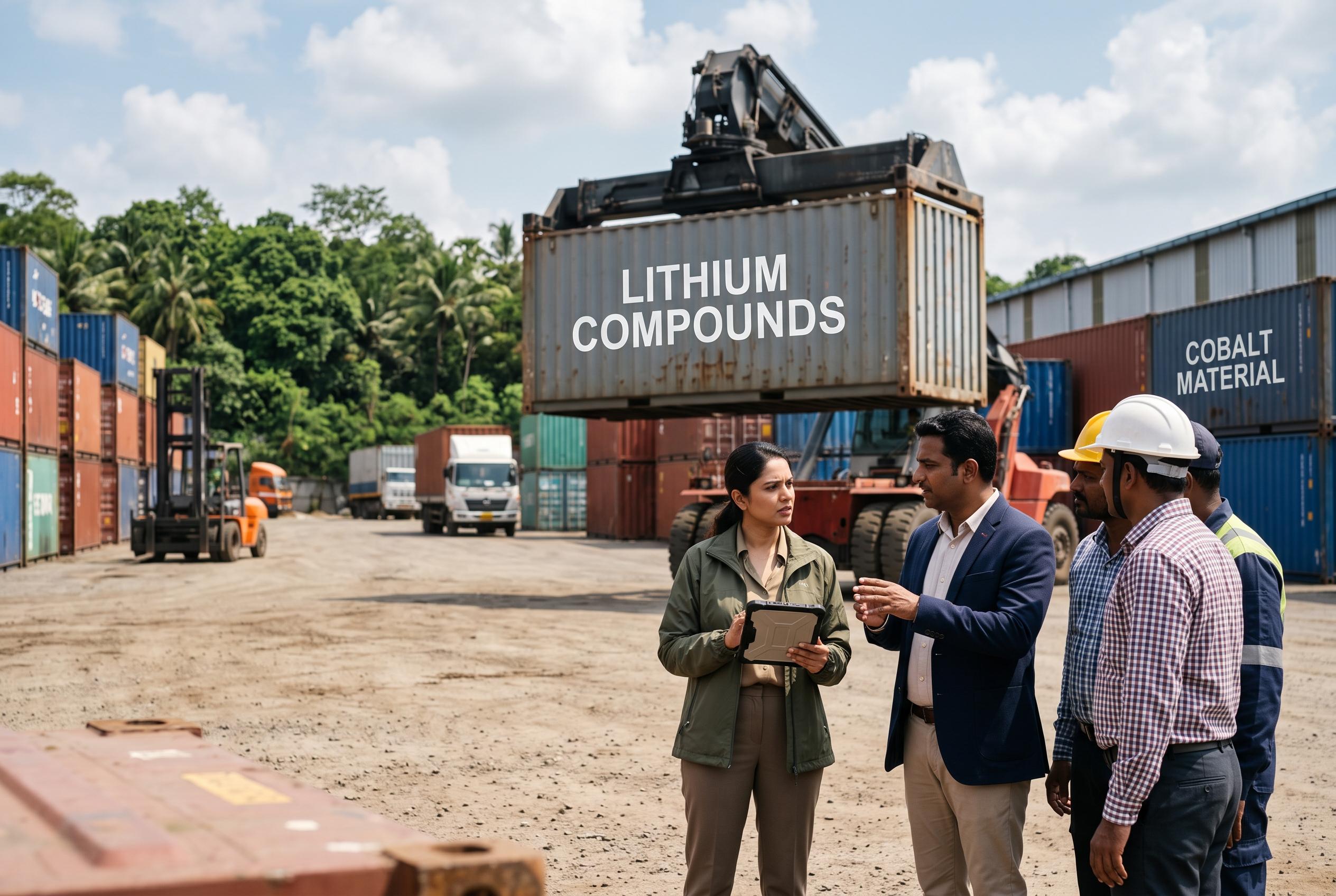

As India accelerates its electric vehicle rollout, the nation confronts a strategic challenge: developing resilient domestic supply chains for key minerals like lithium, cobalt, and rare earth elements amid global supply vulnerabilities and geopolitical tensions, with recycling and localisation emerging as crucial strategies.
India’s electric vehicle push is forcing a harder question than sales growth or charging roll-out: whether the country can secure the minerals and components that make the shift possible. As demand rises for lithium, cobalt, nickel and rare earth elements used in batteries and motors, the case for recycling, recovery and circular supply chains is becoming central to industrial strategy, not just environmental policy.
The issue is sharpened by the global concentration of supply. The International Energy Agency has warned that critical mineral demand will rise sharply as countries expand EVs, renewables and battery storage, and it has highlighted the strategic importance of rare earths such as neodymium, praseodymium, dysprosium and terbium, which are essential for permanent magnets. In November 2025, the agency said China accounted for about 60% of global mining output of magnet rare earths and 91% of separation and refining, underlining how exposed downstream industries remain to disruption. Wood Mackenzie said in June 2025 that Chinese rare earth magnet exports fell 51% from March after new restrictions, a drop that hit electric and hybrid drivetrains and exposed the fragility of global supply chains.
For India, that dependence has direct economic consequences. The country is trying to build itself into a major automotive and EV manufacturing base, backed by policy incentives, battery programmes and localisation efforts. But a model that relies mainly on imported inputs leaves producers vulnerable to price swings, geopolitical shocks and delays that can ripple through factory output and investment plans. In a market as cost-sensitive as India’s, those disruptions quickly affect vehicle affordability and adoption.
That is why the linear “take, make and discard” model is increasingly inadequate. Batteries and electric motors contain materials that retain value long after vehicle use ends, yet much of that material is lost when collection is poor and recycling is fragmented. The more practical answer is a circular system that keeps materials in use through repair, refurbishment, remanufacturing and recycling. The IEA has also said recycling and secondary supply could cut primary rare earth mining needs by as much as 35% by 2050, showing that recovery can materially reduce import dependence.
India already has the beginnings of a policy framework through extended producer responsibility rules for batteries, but the harder task is implementation. Better reverse logistics, stronger traceability and investment in domestic refining and recycling capacity will matter as much as new cell factories. Design choices will matter too: packs and motors built for easier disassembly are cheaper to recover and more useful at end of life. The broader point is straightforward. India’s EV transition will not be judged only by how many vehicles it sells, but by whether it can retain control over the materials inside them. That is where resilience, competitiveness and long-term industrial independence will be won.
Disclaimer: This content is intended for informational purposes only. Readers are advised to exercise their own judgement, conduct due diligence, or consult a qualified expert before acting on any information provided.