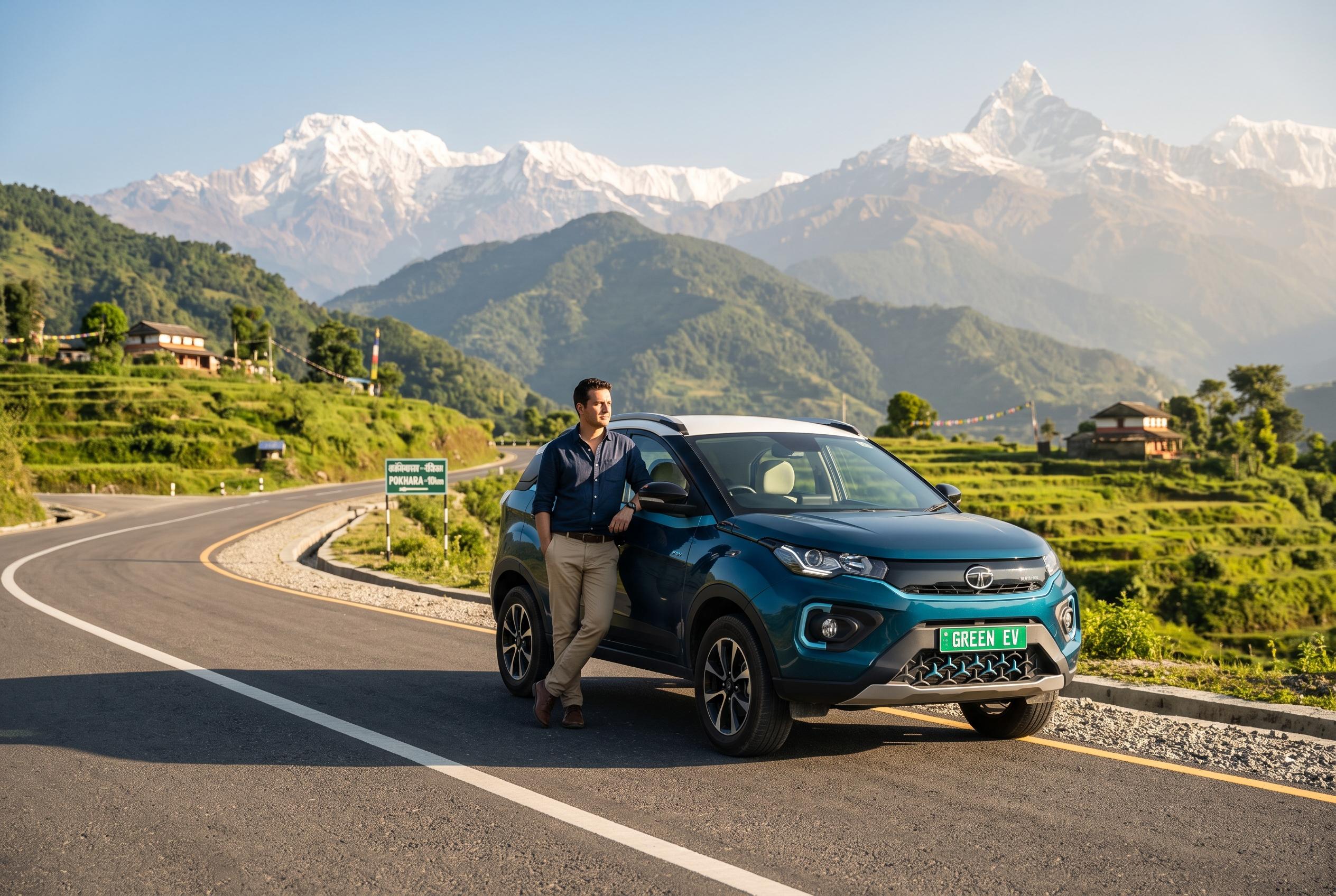

Indian electric vehicle exports have surged fourteen-fold in the first quarter of FY27, driven mainly by a handful of companies and regional markets like Nepal and Sri Lanka, signalling a more selective but promising export landscape.
India’s electric vehicle sector continues to present itself as an export success in the making, but the evidence points to a far more selective story. The clearest gains are not coming from a broad global break-out by Indian EV makers. They are coming from a small group of companies that have established real overseas sales, distribution or manufacturing links, while many others remain confined to test markets close to home.
The most important pattern is geographical concentration. Nepal has emerged as the main proving ground for Indian EV brands, with names such as Ather Energy, TVS, Bajaj’s Chetak, Hero MotoCorp’s VIDA, Ultraviolette, Revolt, Ampere, BGauss, River, Tata Motors, Mahindra and Montra all present there in some form. Sri Lanka is the next most important South Asian market, although the field there is much narrower. Ultraviolette stands out as the exception to the regional pattern, with a retail and distributor network spanning 18 European countries alongside Nepal, making it the most widely established Indian pure-EV start-up abroad.
Passenger cars show a different kind of expansion. Tata Motors has built the broadest overseas commercial presence among Indian-owned electric carmakers, with the Tiago.ev in Nepal and a wider range, including the Punch.ev, Nexon.ev and Curvv.ev, in Sri Lanka. Mahindra has taken its BE 6 and XEV 9e into Nepal. Maruti Suzuki sits in a separate category: its e VITARA is made in India for global export, and Autocar India said the model was being shipped to 44 countries by FY26, helping Maruti post a record export year.
The most striking acceleration, however, is in the export numbers rather than in the number of brands. The Car Jury reported that India’s EV exports jumped fourteen-fold in the first quarter of FY27 to 15,641 units from 1,122 a year earlier, led by Maruti’s e VITARA, with Tata Motors and Mahindra also contributing. That surge sits alongside a wider rise in Indian vehicle exports, which the Economic Survey 2025-26 linked to stronger global acceptance of Indian-made vehicles across passenger cars, commercial vehicles, three-wheelers and two-wheelers. At the same time, Mint reported that India’s auto-component trade moved into deficit in FY26 as EV sales rose and tariff pressures distorted flows, a reminder that export growth in finished vehicles does not always translate into a cleaner trade balance.
Disclaimer: This content is intended for informational purposes only. Readers are advised to exercise their own judgement, conduct due diligence, or consult a qualified expert before acting on any information provided.