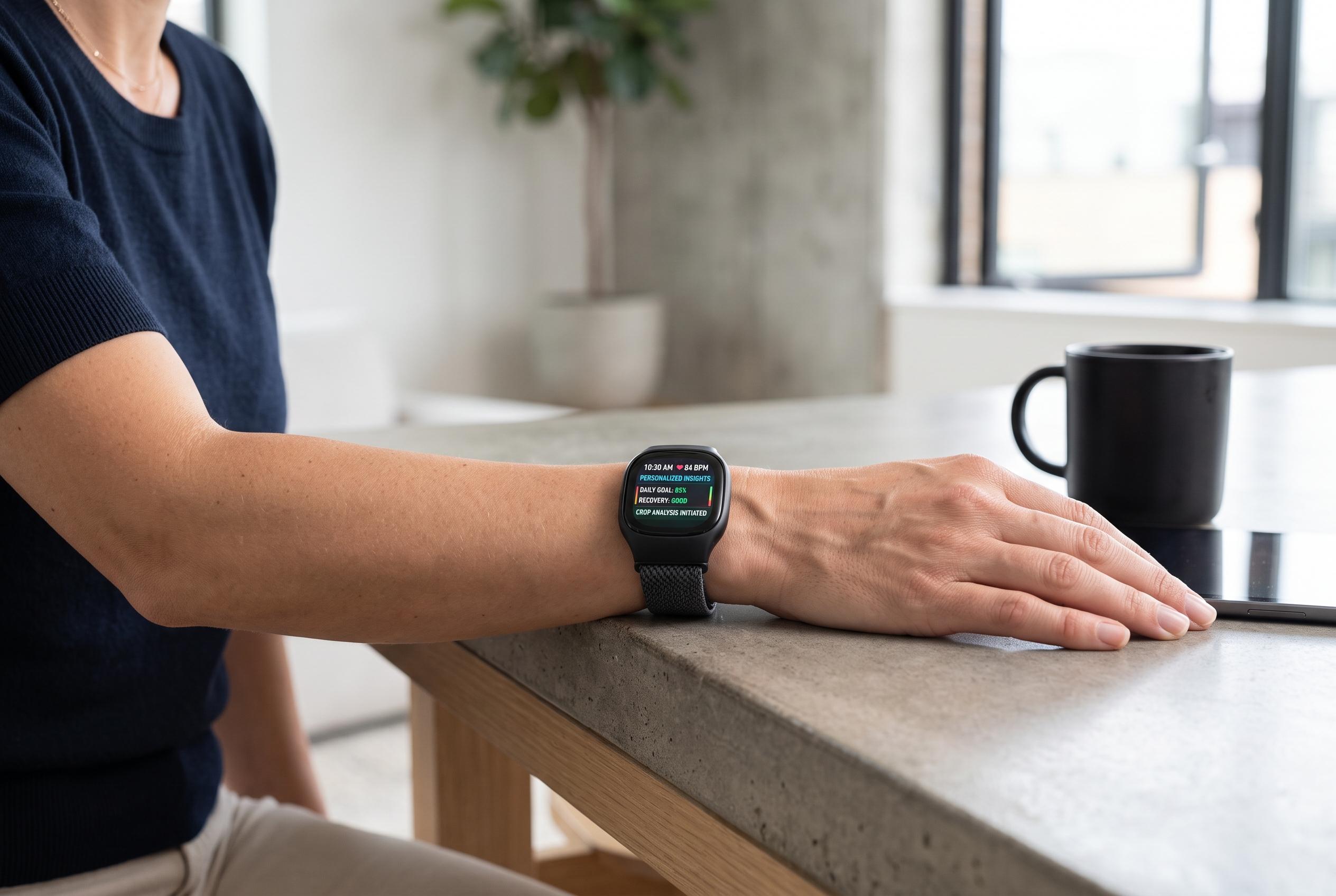

As India’s health tech landscape expands rapidly, brands are prioritising customisable, AI-driven devices that cater to specific wellness needs over basic fitness tracking, signalling a more sophisticated, consumer-centric market.
India’s health wearables market is moving into a more demanding phase, as brands compete less on raw feature counts and more on whether devices can answer specific consumer needs. Recovery, sleep, stress, readiness, artificial intelligence-led guidance, discreet designs and lower prices are emerging as the main routes to relevance in a category that is expanding quickly and becoming harder to differentiate.
Mordor Intelligence says the India smart wearable market was valued at $2.94 billion in 2025 and is expected to rise to $10.26 billion by 2031, with growth driven by greater health awareness and deeper links between wearables and digital health systems. That forecast helps explain why companies are sharpening their positioning around distinct use cases rather than relying on broad fitness tracking alone.
Titan is among the brands shifting its emphasis towards metrics such as recovery and readiness, which are designed to help users interpret how stress, exercise and daily routines affect their bodies. Seenivasan Krishnamurthy, chief sales and marketing officer for smart wearables at Titan Company, said the market is moving away from simply collecting data and towards using it to improve decisions about health and recovery.
Noise is taking a different route by widening the range of form factors. Utsav Malhotra, chief operating officer at Noise Consumer Durables, said some customers want a smartwatch with more functions, while others prefer a less intrusive, more health-led device. His comments reflect a broader point: the category no longer appears to have a single default product shape, and brands are trying to serve different routines, tastes and budgets at the same time.
Artificial intelligence is becoming part of that competition as brands try to turn raw data into practical advice. A Google spokesperson said the company is building a 24-hour coach that is backed by science and adapts to individual needs, with the aim of helping users understand what matters and what to do next. Other companies are leaning into different niches. UBON’s Lalit Arora said affordability remains central in a market where consumers are curious about health tracking but still highly price conscious, while Oura is positioning sleep as the foundation of health across very different life stages and user goals.
The result is a market where differentiation is increasingly defined by context rather than specification sheets. WHOOP founder Will Ahmed has argued that large markets naturally attract rivals, but that companies should focus on customers rather than competitors. WHOOP’s recent global expansion and its continued push to broaden access underline that approach, while reports that the company has brought in former Glossier chief executive Kyle Leahy as chief commercial officer suggest it is also strengthening its commercial strategy. In India, the same logic is now shaping how wearables are built, marketed and sold: the brands most likely to win are those that can make health data useful enough to become part of daily life.
Disclaimer: This content is intended for informational purposes only. Readers are advised to exercise their own judgement, conduct due diligence, or consult a qualified expert before acting on any information provided.