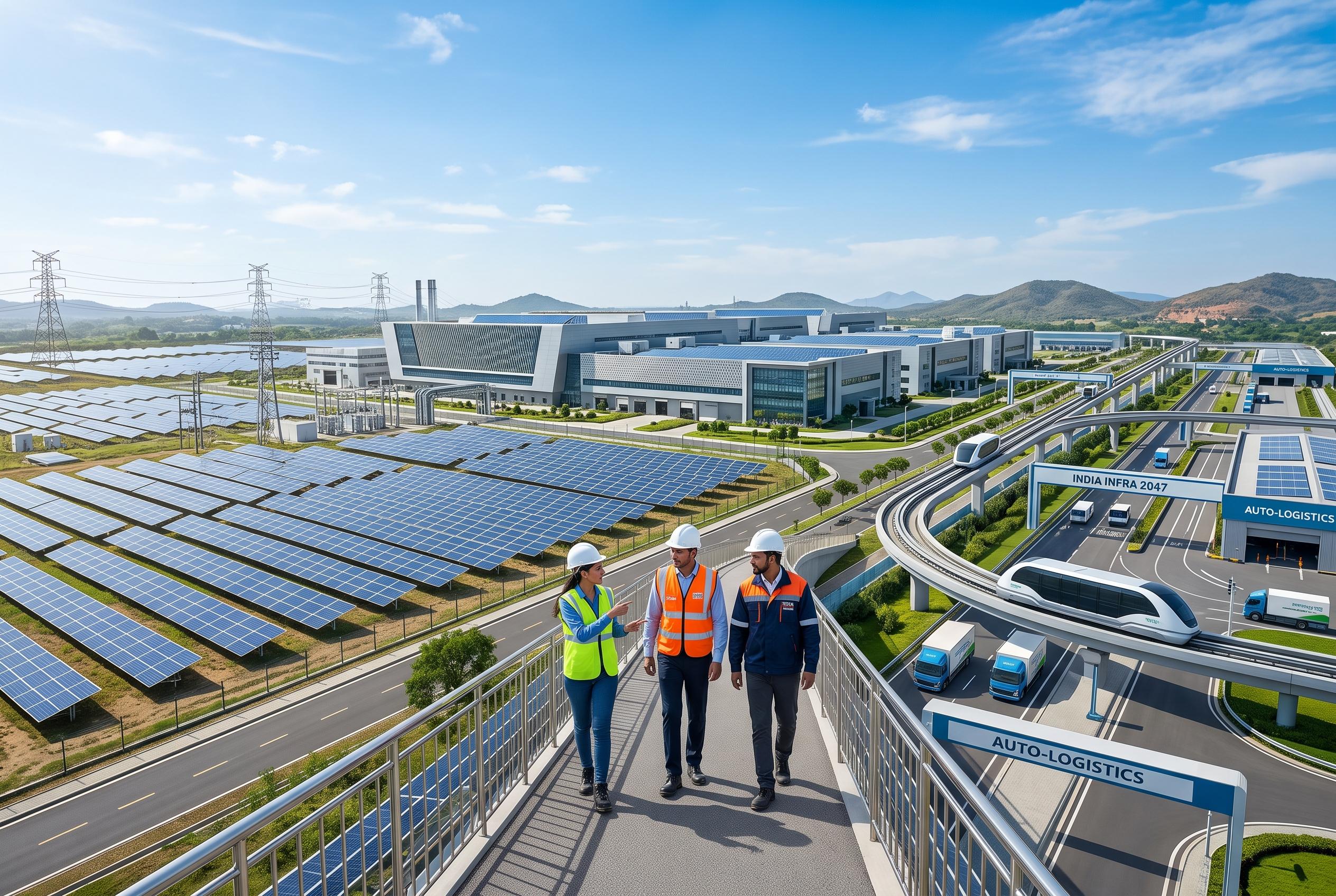

Prime Minister Narendra Modi highlights India’s accelerated trajectory towards technological sovereignty, energy resilience, and self-reliance during Independence Day address, aiming for a developed nation status by 2047 amid economic and diplomatic advancements.
India’s prime minister used Independence Day to cast the country’s economic rise as proof that its next phase must be built on scale, technology and energy security. Speaking from the Red Fort in New Delhi, Narendra Modi said India had moved far beyond the vulnerable position it occupied in 2013, when it was grouped among the so-called “Fragile Five” emerging markets, and argued that the country now had the weight to think bigger about its long-term development.
Modi pointed to a string of recent gains, including faster industrial output, a sharp rise in digital payments and stronger defence manufacturing. He said India’s electronics sector had expanded markedly and highlighted progress in chip fabrication, noting that three chip plants have already been built and that more are planned. The message was that India’s industrial policy is increasingly tied to strategic sectors that reduce dependence on imports and position the country for growth in artificial intelligence, data centres and other compute-intensive industries.
Energy policy featured prominently in the speech. Modi said India would need much larger power supplies to support its ambitions and repeated the government’s goal of reaching 100GW of nuclear capacity by 2047. Industry-backed commentary has described that target as a more than ten-fold increase from the country’s current nuclear fleet, and analysts have linked it to the need for reforms in regulation, faster approvals and wider private-sector participation. That direction gained legal backing in December 2025, when India passed the SHANTI Act to update its nuclear framework.
The prime minister also connected the economic agenda to a broader push for self-reliance. He said India should not depend on other countries for critical capabilities and set out seven areas his government sees as central to becoming a developed nation by 2047, including manufacturing, agriculture, innovation, transport links, defence production and green energy. He also placed emphasis on youth, saying they were among the chief beneficiaries of the country’s development and pledging free online coaching for competitive exams.
The address came as India marked 80 years since independence from British rule in 1947. Economic data released this year by the Indian Brand Equity Foundation says India remains among the fastest-growing major economies, with real GDP growth of 7.6% in fiscal 2025-26 and nominal GDP projected at $3.91 trillion. Modi’s speech sought to turn that momentum into a larger political argument: that India’s growth story now depends less on catch-up and more on industrial depth, energy resilience and technological sovereignty.
India’s Independence Day was also marked with displays of diplomatic symbolism abroad. In Moscow, Indian Ambassador Vinay Kumar raised the flag at the embassy as Russian President Vladimir Putin sent greetings and reiterated support for what Moscow and New Delhi describe as their “special and privileged strategic partnership”. The relationship, shaped by decades of defence and energy ties, has deepened further since 2023 as trade has risen sharply, driven in large part by Indian imports of Russian crude despite Western pressure on New Delhi to scale back engagement.
Disclaimer: This content is intended for informational purposes only. Readers are advised to exercise their own judgement, conduct due diligence, or consult a qualified expert before acting on any information provided.