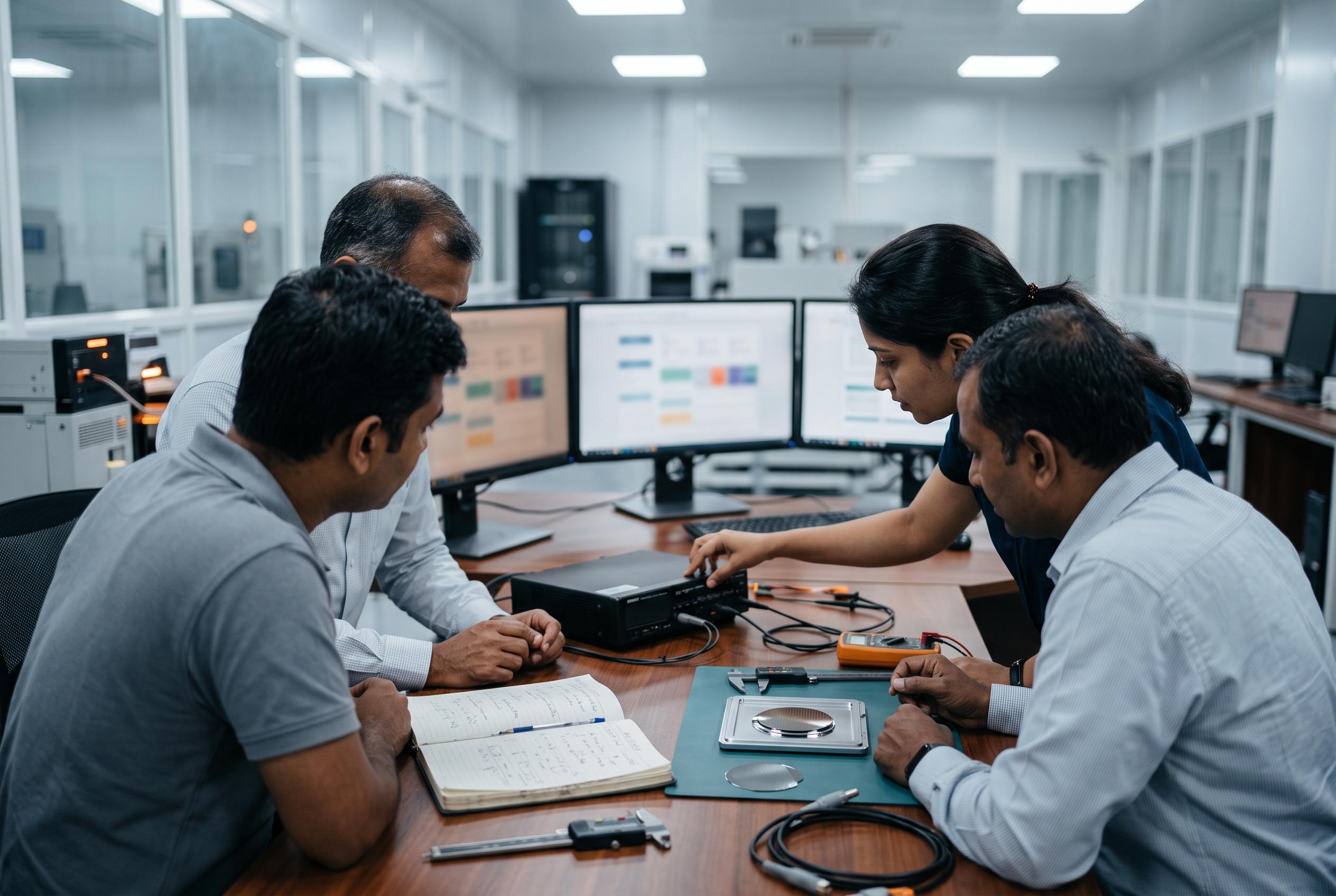

India accelerates its semiconductor ambitions with Semicon 2.0, targeting 200 chip-design start-ups, increased talent training, and strengthening its position in the global chip supply chain.
India is preparing a broader push into semiconductors with Semicon 2.0, the next phase of the India Semiconductor Mission, designed to move the country from initial capability-building towards a more complete domestic value chain. According to ETElectimes, the government wants the programme to support at least 200 chip-design start-ups and companies, building on the more than 105 firms already developing chips with access to industry-grade electronic design automation tools.
At SEMOCON India 2026, electronics and IT minister Ashwini Vaishnaw said 20 of those 105 start-ups had already raised venture capital, underscoring the government’s view that the ecosystem is beginning to attract private funding. Business Standard reported that the broader ambition is to scale that base significantly, while The Economic Times noted that officials see the scheme as capable of producing around 200 chip-design companies over time.
Semicon 2.0 is being framed around six linked priorities: chip design, semiconductor equipment and materials, new fabrication capacity, advanced packaging and testing, research and development, and talent development. That structure matters because India’s first phase mainly established the foundations for design and early manufacturing, whereas the new plan is intended to extend the chain into areas that are usually the most capital-intensive and technically demanding.
Workforce development is also central to the strategy. The ETElectimes report said about 70,000 semiconductor design engineers have already been trained under the India Semiconductor Mission. The Economic Times added that the government is now aiming to develop 1 lakh technicians for factory-floor and production roles, while Semiconhunt reported that ₹1,000 crore has been allocated for talent development in 2026-27, including apprenticeships, training centres and expanded chip-focused courses at hundreds of institutions.
The broader policy direction is meant to position India as a more important node in global chip supply chains. The Economic Times said the government is also encouraging partnerships on local production of critical machinery and minerals, while the ETElectimes report quoted Mr Modi as saying the ambition is for India’s chips to go out to the world. For the government, the challenge now is not simply to announce capacity, but to convert design activity, training and investment into a durable industrial base.
Disclaimer: This content is intended for informational purposes only. Readers are advised to exercise their own judgement, conduct due diligence, or consult a qualified expert before acting on any information provided.