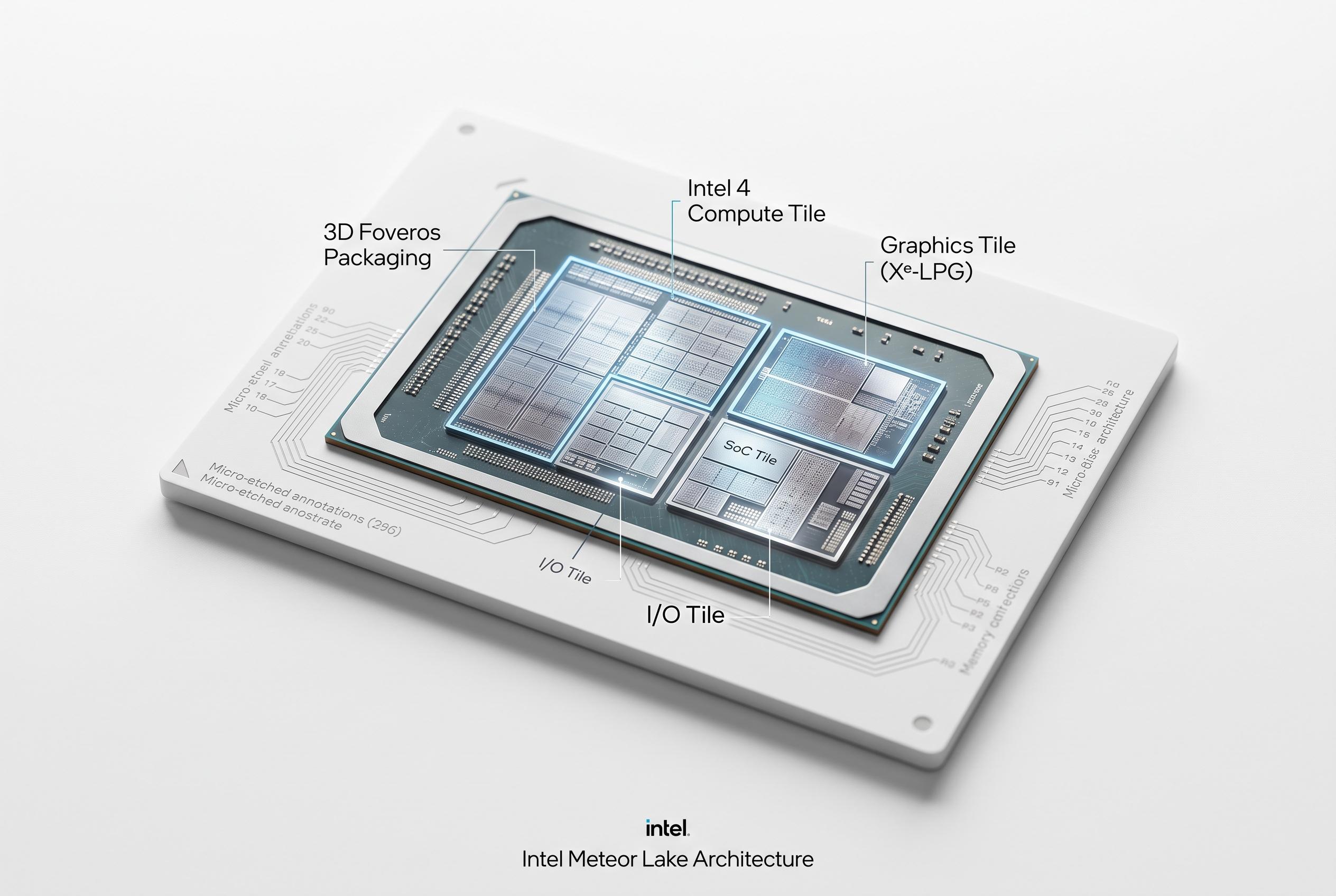

Intel unveils a new architecture promising superior energy efficiency than ARM-based designs, signalling a strategic push to compete in low-power computing markets amid ongoing industry benchmarks.
Intel is seeking to redraw one of the chip industry’s most entrenched comparisons: performance per watt. In its March 2024 presentation, the company said a new Meteor Lake-based architecture could deliver better efficiency than ARM-based designs while maintaining competitive speed, a claim that, if confirmed, would matter most in laptops, tablets, embedded systems and other power-constrained devices. The announcement matters less as a finished verdict than as a marker of intent, because ARM has long set the benchmark for low-power computing and Intel has spent years trying to narrow that gap.
The technical case rests on Intel’s hybrid design approach. According to Intel and later reporting on the Meteor Lake family, the architecture combines performance cores, efficient cores and low-power island cores to route lighter tasks away from the more power-hungry parts of the chip. Intel also says the design uses its Intel 4 process, alongside updated transistor and power-management techniques, to improve efficiency without giving up too much peak throughput. Intel’s Core Ultra 5 135HL specification sheet shows the same broader strategy in commercial form, with a 14-core layout that includes four performance cores, eight efficient cores and two low-power efficient cores.
Meteor Lake also appears to be part of a wider software-and-hardware effort rather than a single benchmark claim. Phoronix reported that relatively small Linux tuning changes to Intel’s Energy Performance Preference setting produced measurable gains in performance and power use on Meteor Lake systems, including better performance per watt and sharply lower consumption in some playback tests. That suggests the platform’s efficiency story is not only about silicon, but also about how operating systems and drivers schedule work across the chip’s different cores.
Still, the claim remains unproven in the most important sense: broad, independent validation. Tom’s Hardware reported further Meteor Lake graphics efficiency gains, but the same reporting trail also shows Intel continuing to push the argument into later generations. In particular, the company’s Lunar Lake launch shifted the discussion again, with Intel claiming improved battery life and stronger performance per watt against Qualcomm’s Snapdragon X Elite family. That later move underlines the real competitive stakes. Intel is not just trying to win a single benchmark conversation; it is trying to convince device makers that its x86 platforms can compete with ARM on battery life, thermals and sustained efficiency across everyday workloads.
Disclaimer: This content is intended for informational purposes only. Readers are advised to exercise their own judgement, conduct due diligence, or consult a qualified expert before acting on any information provided.