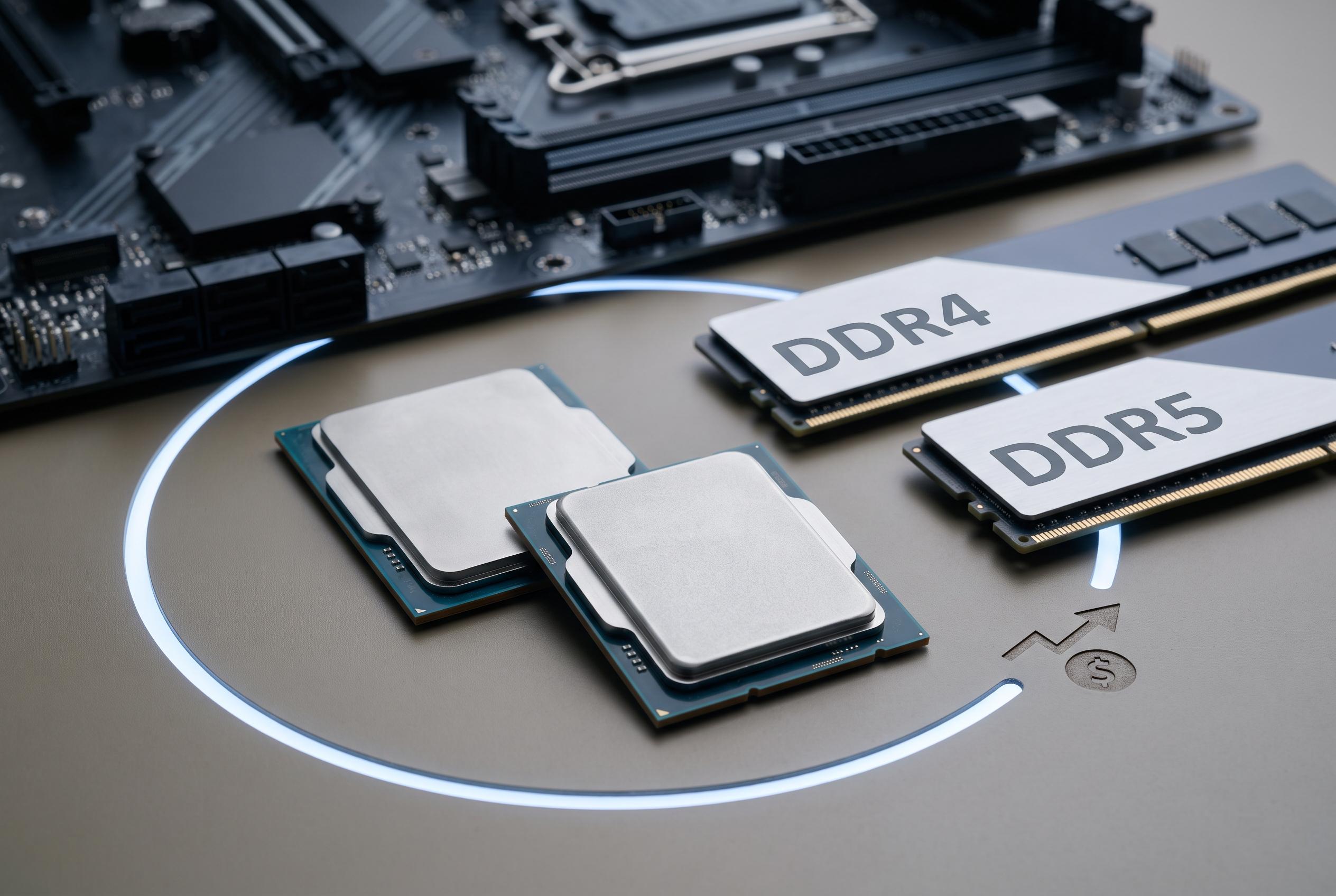

Intel is extending support for its Raptor Lake CPUs as the industry grapples with high memory costs and a persistent DDR4 versus DDR5 performance divide, influencing market choices and future platform plans.
Intel is set to keep Raptor Lake in circulation for longer than many in the industry expected, using the older desktop platform as a practical answer to still-elevated memory prices. According to Wccftech, Robert Hallock, Intel’s vice-president and general manager for enthusiast channel business, said the company sees continued demand for systems that can use DDR4, especially while DDR5 remains expensive and scarce.
That decision reflects a wider problem in the PC market. Tom’s Hardware reported in July 2026 that, on Intel’s LGA 1700 platform, switching from DDR5 to DDR4 can still carry a measurable performance penalty in games, but the cost difference has become difficult to ignore for budget-conscious builders. In its testing across 15 titles, DDR4 systems trailed DDR5 by an average of 11% to 14%, with some games losing as much as 25% performance. Even so, the same report said many users are still choosing DDR4 because it lets them reuse existing parts and avoid the steep cost of a full platform move.
The pricing backdrop remains severe. Tom’s Hardware said in mid-2026 that memory costs have been pushed sharply higher by demand linked to artificial intelligence, with consumer DDR4 and DDR5 both affected. It reported that 32GB DDR5 kits which were once widely affordable had risen to more than $450, while even 16GB kits were often above $200. That has made older platforms, including DDR4-based systems, a temporary refuge for upgraders and system integrators trying to keep builds within reach.
Intel’s continued support for Raptor Lake also makes technical sense because the chips can work with either DDR4 or DDR5 motherboards, giving builders flexibility at a time of unusual price pressure. Intel’s own 13th-generation Core documentation confirms support for both memory types. Wccftech also reported that Intel is preparing another Raptor Lake refresh for desktop systems, while still pushing newer lines such as Lunar Lake on mobile and Nova Lake for the high end. For now, the message is clear: older platforms are not going away until memory pricing normalises, and that may take considerable time.
Disclaimer: This content is intended for informational purposes only. Readers are advised to exercise their own judgement, conduct due diligence, or consult a qualified expert before acting on any information provided.