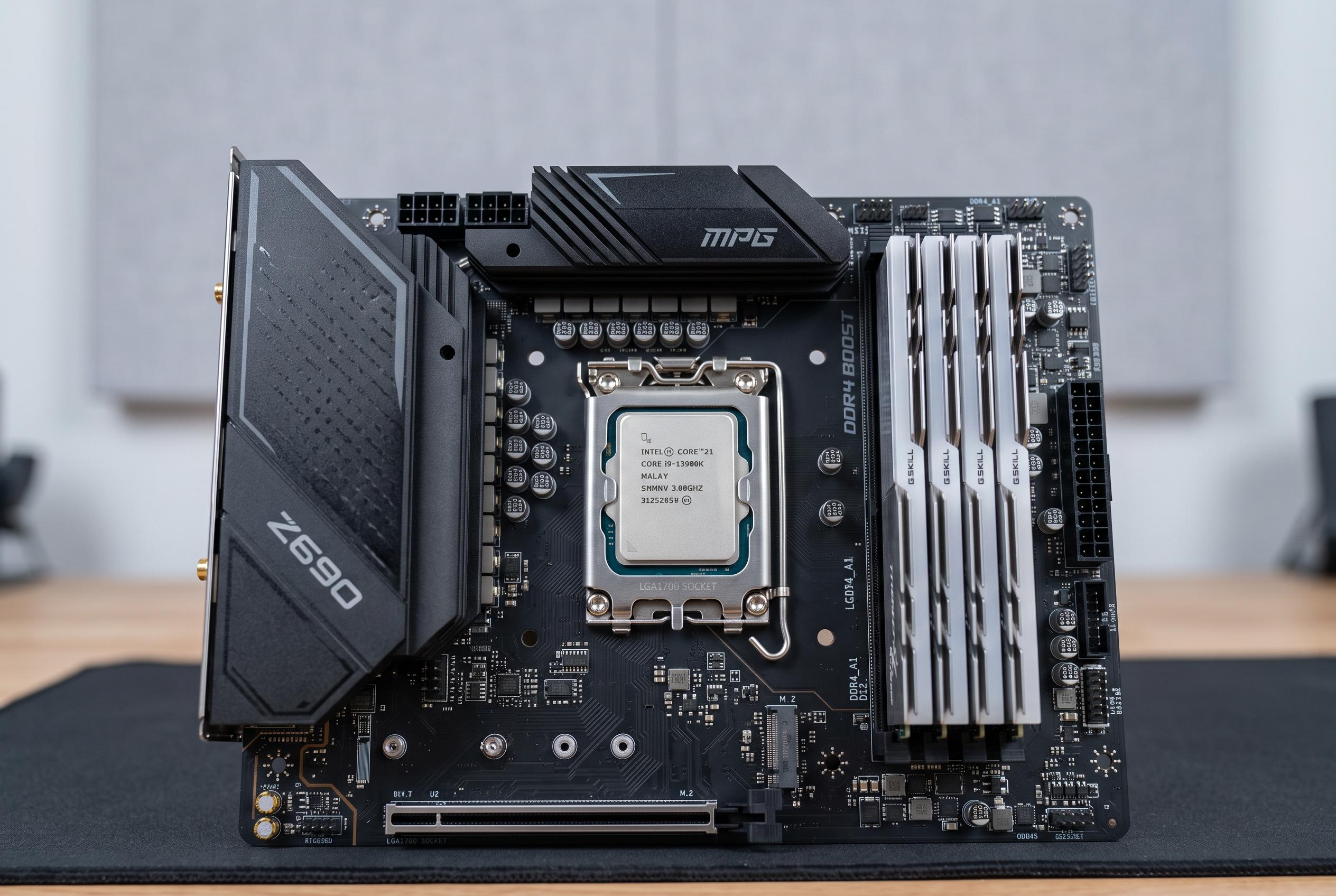

Intel plans to keep its Raptor Lake platform alive for years, driven by strong demand for LGA 1700 chips and sustained interest in DDR4 memory, even as newer platforms emerge.
Intel is signalling that Raptor Lake will remain a central part of its desktop CPU line-up for the foreseeable future, as a sharp rise in demand for LGA 1700 chips collides with a costly shift to DDR5. Speaking to Tom’s Hardware Premium, Robert Hallock, Intel’s vice president and general manager of the enthusiast channel business, said the company sees the platform as something it intends to keep selling for years, rather than a short-lived stopgap.
Hallock said Intel wants to smooth out the uneven supply and pricing that have recently affected the range. He pointed to continued interest in DDR4 as one reason the company sees a future for the socket, adding that LGA 1700 still has room in the market because many buyers are not ready to move to pricier DDR5 systems. Tom’s Hardware reported that this shift in demand has helped push Raptor Lake back into focus just as newer platforms are becoming more expensive to build.
That pressure has been visible in retail pricing. Tom’s Hardware noted that chips such as the Core i5-14600K and Core i7-14700K, which were widely available at lower prices for much of last year, have become more expensive and harder to find in stock. The publication also said motherboard makers are responding by increasing DDR4-based LGA 1700 board production, reversing a period in which such products had largely faded from shelves.
TechSpot reported that Intel has effectively confirmed continued production for 14th-generation Raptor Lake Refresh processors and the LGA 1700 platform as the company moves on to newer families. The attraction is straightforward: the platform supports both DDR4 and DDR5, which keeps it relevant for buyers trying to avoid the higher cost of a full DDR5 upgrade. That remains important in gaming and mainstream desktop builds, where value often matters as much as peak performance.
There are also signs that Intel is preparing further extensions to the platform. Tom’s Hardware has reported that a possible “Raptor Lake Next” refresh could arrive later, using the same socket and reusing existing silicon to maximise value from older designs. If that proves accurate, it would underline a broader shift in the market: budget and enthusiast segments are increasingly diverging, and Intel appears willing to keep an older but proven platform alive while it advances its next-generation products.
Disclaimer: This content is intended for informational purposes only. Readers are advised to exercise their own judgement, conduct due diligence, or consult a qualified expert before acting on any information provided.