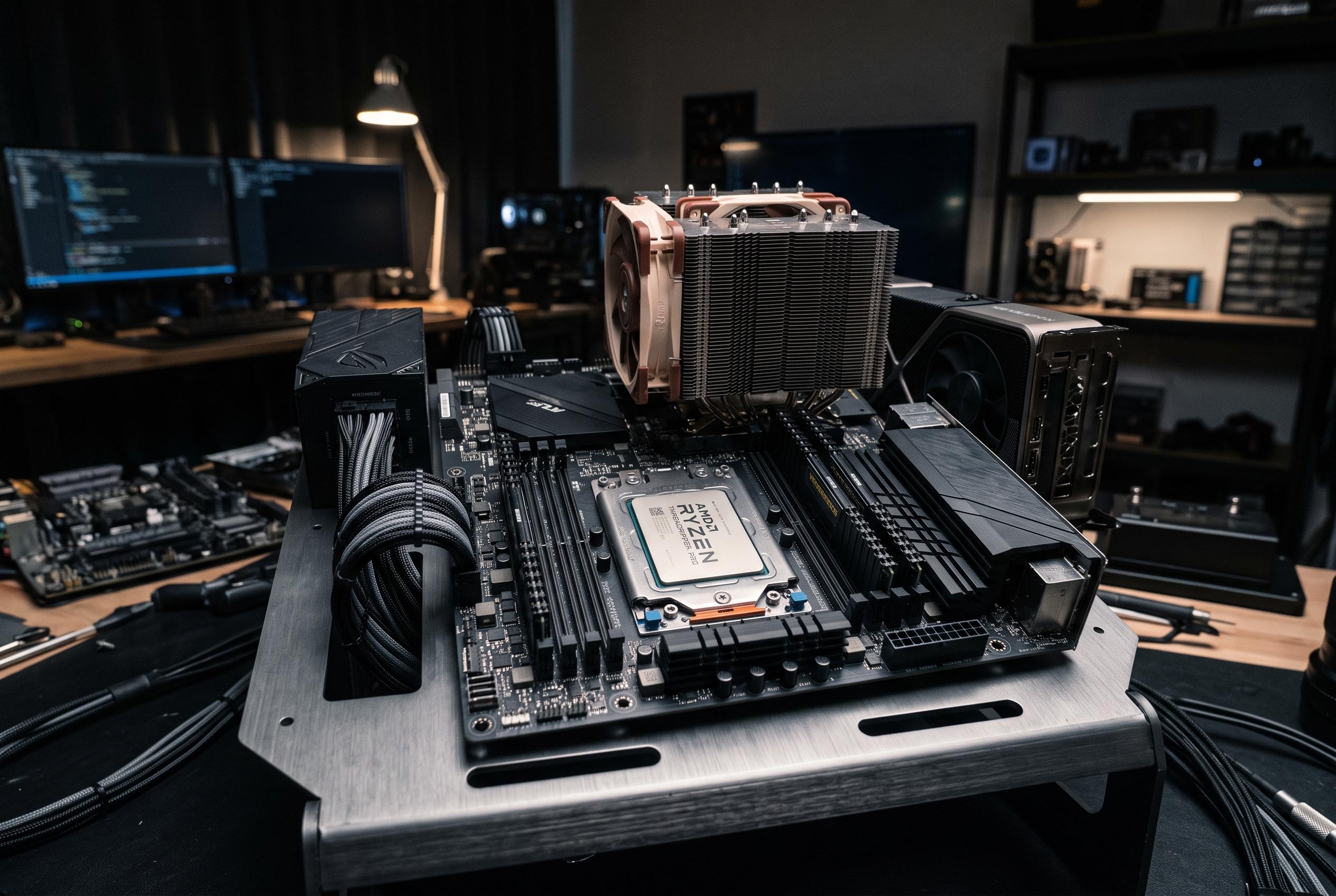

Intel prepares to introduce a new LGA 1954 socket for its upcoming Nova Lake processors, signalling a shift towards multi-generational platform compatibility and a potential reset in desktop upgrade cycles by 2027.
Intel’s next desktop platform appears to be taking shape around a new socket, with the company’s Nova Lake processors now linked to LGA 1954. Reports based on internal test tools suggest the shift will replace LGA 1851, meaning buyers of current Core Ultra 200-series systems should expect a new motherboard when moving to the next generation of Intel desktop chips.
The move matters because Nova Lake is expected to be Intel’s Core Ultra 400-series family for desktops, with mass production said to begin in the fourth quarter of 2026 and consumer availability following in the first quarter of 2027. Several reports, including those from Tom’s Hardware and TechSpot, say the first models could arrive around CES in January, with a 28-core version followed later by a higher-end 52-core part.
A longer-lived socket would be a notable change in strategy for Intel, which has often required platform changes more frequently than AMD’s AM4 and AM5 ecosystems. According to the reports, LGA 1954 is being positioned as a multi-generational platform, potentially carrying not only Nova Lake but also later families such as Razor Lake or Hammer Lake. That would make it easier for users to upgrade processors without replacing the whole motherboard every time.
The idea is still based on leaked presentation material rather than a public product launch, so the roadmap should be treated cautiously. Even so, the picture emerging from multiple reports is consistent: Intel is preparing a substantial desktop reset for 2027, and it may be pairing that with a more upgrade-friendly socket policy than its recent platforms have offered.
Disclaimer: This content is intended for informational purposes only. Readers are advised to exercise their own judgement, conduct due diligence, or consult a qualified expert before acting on any information provided.