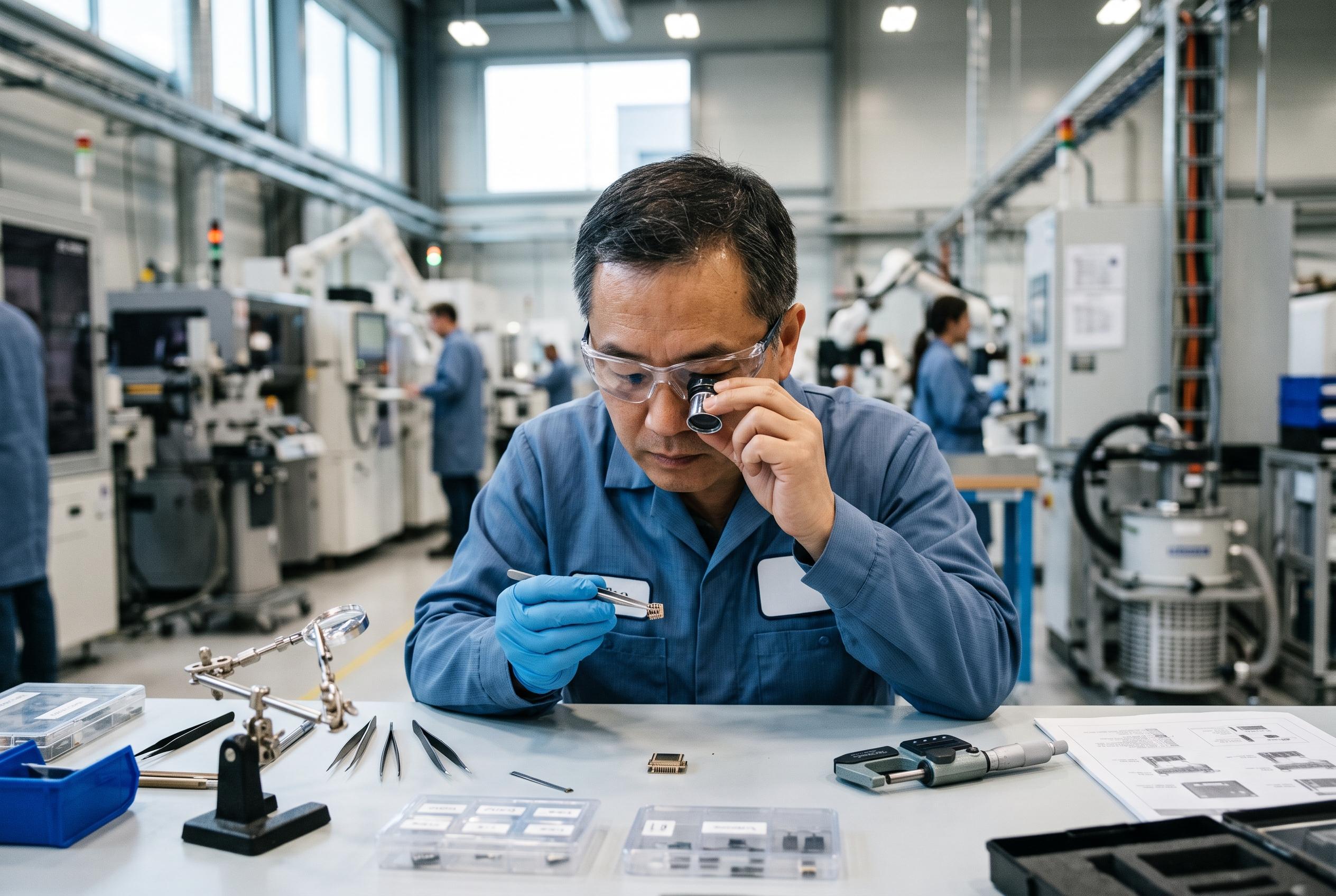

Japan says its yttrium stockpile could be exhausted within months as Chinese export controls drive prices overseas sharply higher and threaten aerospace, semiconductor and defence supply chains.
Japan is warning that it could exhaust its stockpile of yttrium within months as China’s export controls bite harder, according to the Financial Times. The metal, a heavy rare earth used in heat-resistant coatings for jet engines, semiconductor equipment and some automotive parts, has become a fresh pressure point in global manufacturing after Beijing tightened restrictions and Japan’s own reserves began to fall quickly. A Japanese official told the FT that efforts to cut consumption had reached their limit, adding: “The timeline is not years, it’s months,” and warning of a possible “systemic risk to the world economy”.
The strain is being felt most sharply in Japan, where Chinese customs data show yttrium oxide exports to the country collapsed in the first five months of 2026. The Japan Times has reported that China has cut Japan off from several heavy rare earths for at least four months, in step with broader tensions between Tokyo and Beijing over Taiwan. Japan.co.jp said officials from the two countries met on 10 September to discuss the bottleneck, underlining how quickly this issue has moved from a trade problem to a strategic one. Yttrium is a small input in volume terms, but it sits inside high-specification manufacturing chains where even brief interruptions can cause outsized disruption.
Prices have diverged sharply outside China, where supply has become more uncertain. According to Argus data cited by the Financial Times, yttrium oxide prices abroad have risen to about US$1,150 a kilogram, roughly 179 times their level two years earlier, while the same material has been trading at about US$9 a kilogram inside China. Silverado Policy Accelerator said Chinese export restrictions continued to constrain global trade in yttrium in the second quarter of 2026, with some late-2025 recovery followed by a renewed tightening in shipments to Japan. That pattern suggests the squeeze is no longer a short-term shock, but a sustained supply problem with few easy substitutes.
Tokyo has been working with Washington to secure alternative supply routes and cushion manufacturers from further disruption. The Financial Times said discussions have taken place through the US-Japan Critical Minerals Supply Security Rapid Response Group, while Japan has spent years trying to reduce its dependence on China, including through investment in Lynas Rare Earths. Even so, alternative yttrium production remains limited, leaving Japan and its industrial customers exposed. The risk reaches beyond domestic factories: Japanese-made components feed into overseas supply chains, including the US defence sector, so a shortage in one element could ripple into aerospace, chips and military production well beyond Japan’s borders.
Disclaimer: This content is intended for informational purposes only. Readers are advised to exercise their own judgement, conduct due diligence, or consult a qualified expert before acting on any information provided.