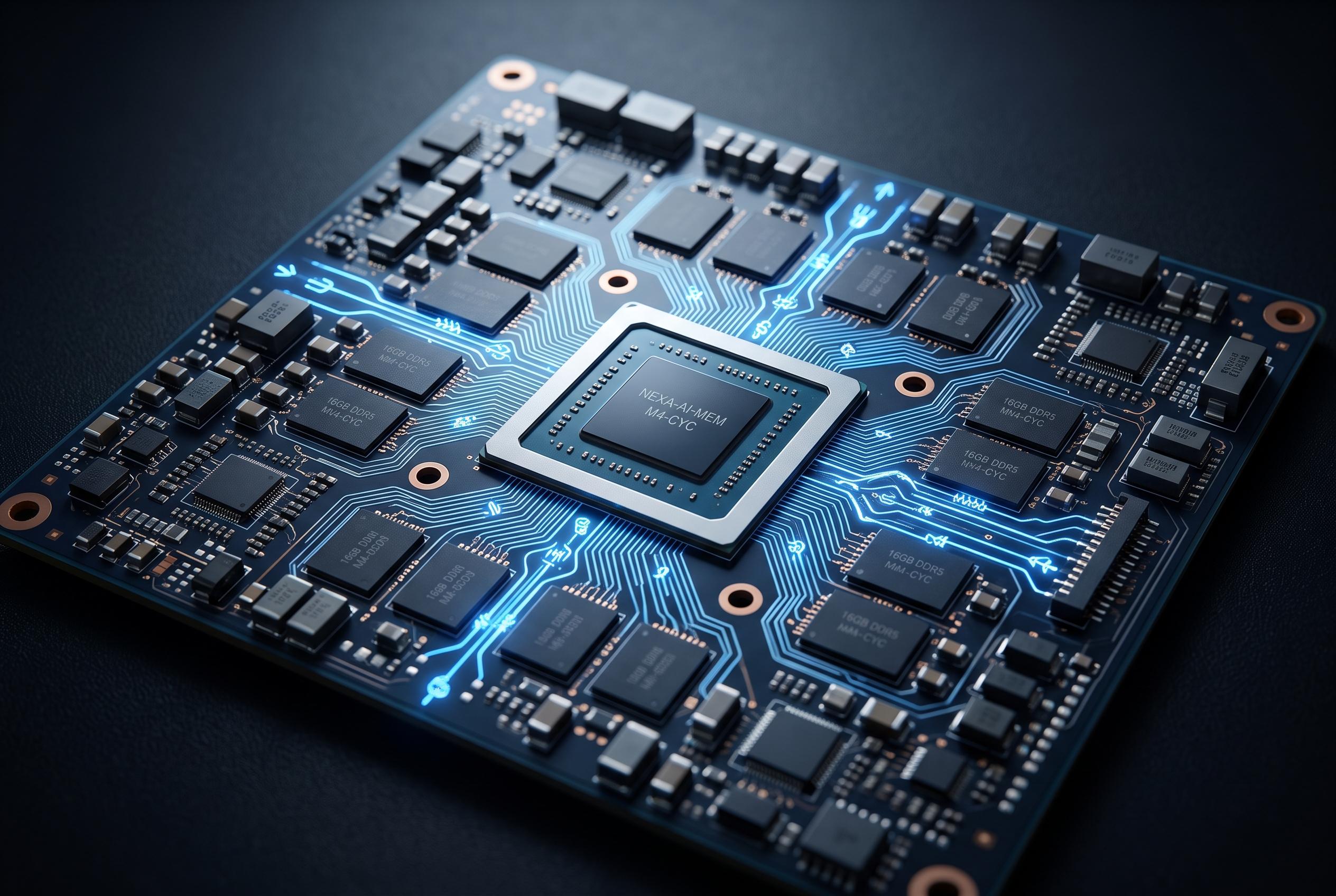

A recent upgrade by JPMorgan and widespread analyst optimism suggest the memory sector is poised for a bullish phase, driven by ongoing AI-related demand and persistent supply constraints despite sector-wide concerns over peak cycles.
JPMorgan’s upgrade of Winbond Electronics has added fresh momentum to a sector that has been battered by concern over whether the memory and storage cycle has already peaked. According to Investing.com, the bank moved the Taiwan-based chipmaker from Neutral to Overweight and lifted its price target to NT$65 from NT$38, arguing that artificial intelligence is still tightening supply in legacy DRAM and supporting a broader memory super-cycle.
The case rests on more than near-term trading strength. JPMorgan expects the stock to benefit over the next one to two quarters as contract prices for older DRAM parts keep rising, with visibility extending into the second quarter of 2026. The bank also sees room for a higher valuation multiple if AI-linked demand continues to distort supply and demand conditions, particularly as 8-gigabyte DDR4 opportunities open up when larger suppliers wind down products. Winbond’s own DRAM specification upgrades and flash memory business were also cited as tailwinds.
That view is echoed by other Wall Street firms that say recent weakness in memory shares looks more like a reset than a structural turn. Bank of America, as reported by KuCoin, said the sell-off was driven by risk narratives around Meta’s spending, ChangXin Memory Technologies and South Korean capacity expansion, but not by a collapse in underlying demand. Bank of America argued that AI-related needs for high-bandwidth memory, LPDDR5 and enterprise solid-state drives remain firm.
Citi has taken a similarly constructive line, saying the memory upcycle is still intact because inventories remain below normal and AI server demand is continuing to expand. Morgan Stanley has gone further, describing DRAM as the main bottleneck in the AI build-out and saying prices have nearly doubled since February. The firm also expects substantial price increases in the third quarter of 2026 and said longer-term supply agreements could support a much higher earnings multiple for memory makers. A separate market report on Yahoo Finance said memory stocks rose after IBM pointed to stronger customer spending on AI servers, storage and memory, before later profit-taking took hold. Taken together, the recent reports suggest the market is still debating not whether AI needs memory, but how long the supply squeeze will last.
Disclaimer: This content is intended for informational purposes only. Readers are advised to exercise their own judgement, conduct due diligence, or consult a qualified expert before acting on any information provided.