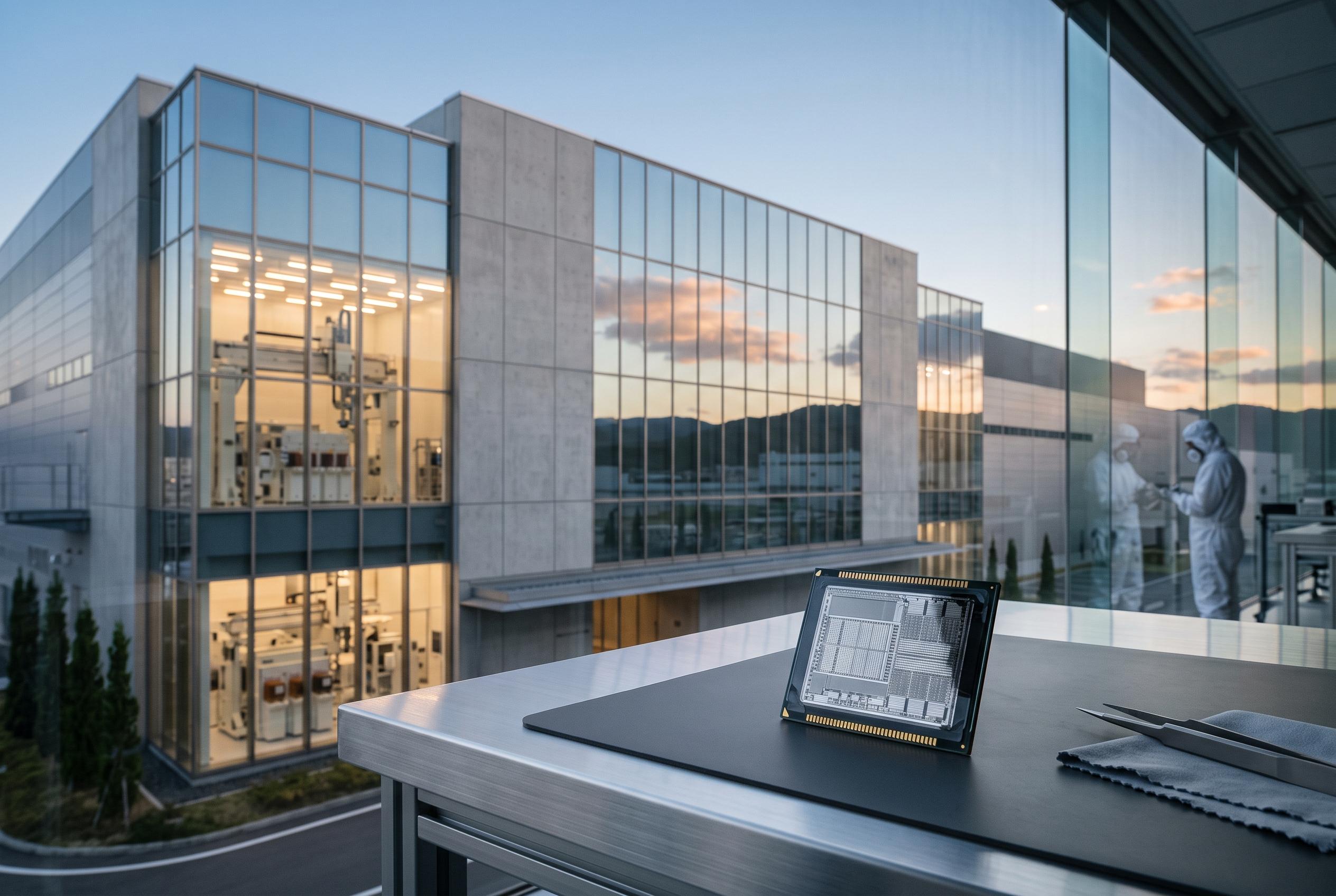

Kioxia and Sandisk plan to invest over $31 billion into new NAND flash production facilities in Japan over the next six years, signalling a strategic move to drive growth amid rising AI and data centre demands, with government support expected.
Kioxia and Sandisk said they plan to put more than $31 billion into new NAND flash production in Japan over the next six years, in one of the clearest signs yet that memory makers are preparing for a new wave of demand from AI systems and data centres. According to Kioxia’s announcement, the investment is intended to deepen the companies’ long-running joint venture and support what they described as Japan’s strategic role in advanced chip manufacturing. The companies said they have already invested more than $50 billion in Japan over the past 25 years.
The plan includes a new fab in Kitakami, Iwate Prefecture, with Kioxia saying it will spend about $11.3 billion on the site. The Japan Times reported that the wider programme amounts to more than ¥5 trillion and that the Kitakami plant will focus on high-density 3D flash memory aimed at AI data-centre workloads. Kioxia chief executive Hiroo Ota said the site is expected to become the main manufacturing base for its most advanced NAND chips, while Sandisk chief executive David Goeckeler said the move would help position Japan as a leader in the technology.
The scale of the project also suggests that public support will matter. Ota said Kioxia hopes the Japanese government will cover roughly a third of the expansion costs, a level of subsidy that would underline Tokyo’s willingness to back domestic semiconductor capacity. The companies framed the investment as consistent with Japan’s economic policy priorities and with broader U.S.-Japan industrial cooperation, according to Kioxia’s statement.
The announcement comes as SK Hynix considers whether to deepen its relationship with Kioxia. Electronics Weekly reported that SK Hynix was part of the Bain Capital-led consortium that acquired Kioxia from Toshiba in 2018, and that an investment vehicle linked to Bain now holds the largest stake in Kioxia. Chosun and other outlets reported that SK Hynix has effectively become Kioxia’s biggest shareholder through that vehicle, although any move to turn that position into control would face regulatory and contractual hurdles. Asked about the stake at a ceremony in Indiana, SK Hynix chief executive Kwak Noh-Jung said the company had “no fixed” plans, but added that it was “very carefully looking at how we can co-develop the NAND flash market for our customers and suppliers.”
Disclaimer: This content is intended for informational purposes only. Readers are advised to exercise their own judgement, conduct due diligence, or consult a qualified expert before acting on any information provided.