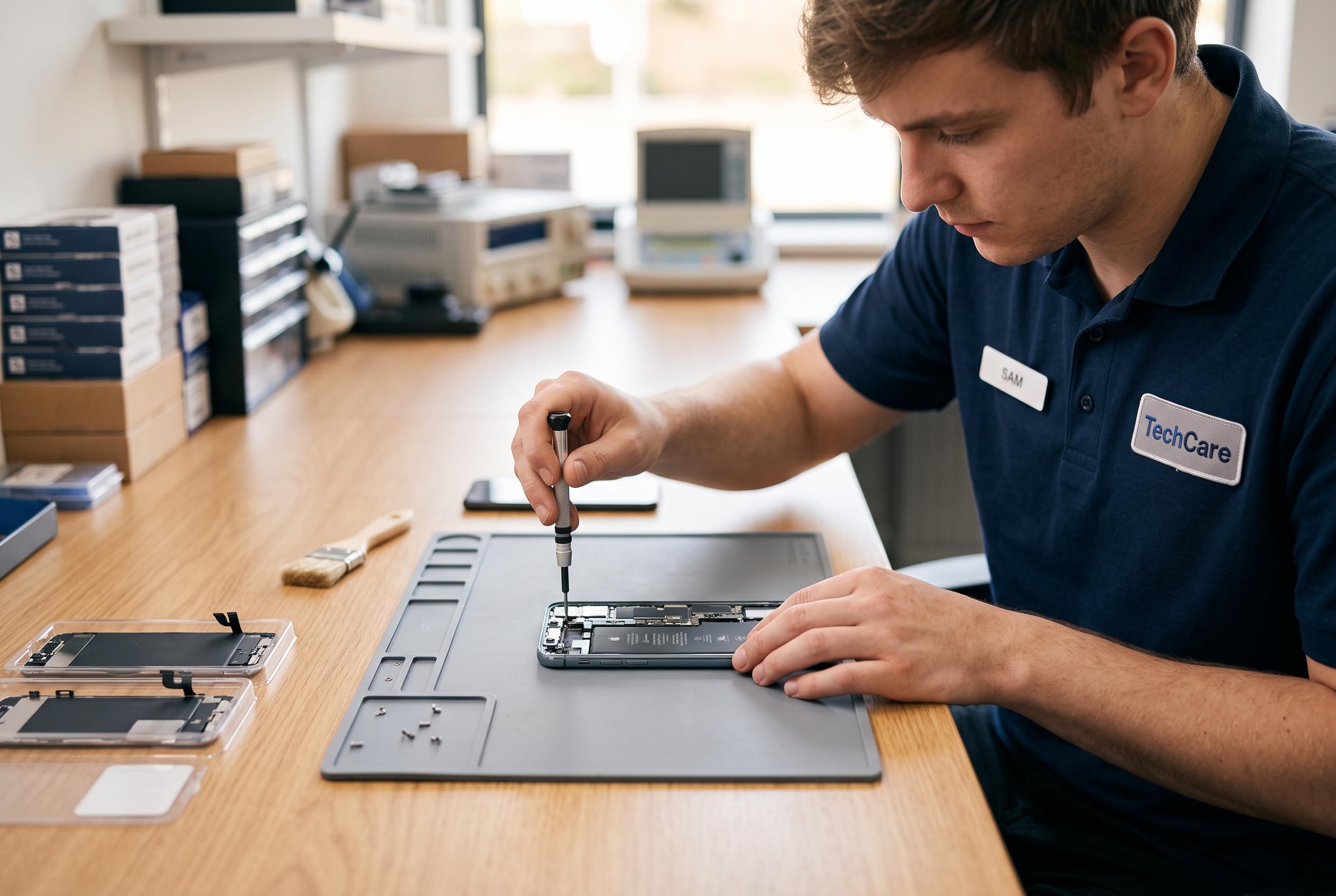

Extended software support from Google and Samsung is prompting users to hold onto their smartphones longer, making hardware maintenance and incremental upgrades more significant in a market shifting away from annual replacements.
The case for replacing a perfectly serviceable smartphone is getting harder to make. Google’s Pixel 8a still feels quick, handles everyday tasks without complaint and, according to Tom’s Guide, remains one of the strongest value phones because of its design, software support and useful AI features. For many owners, that is enough to delay an upgrade until something genuinely fails or a new model offers a clear practical advantage.
That shift matters because the industry is now promising support cycles that outlast the old annual upgrade rhythm. Google says the Pixel 8 range, including the 8a, will receive seven years of operating system and security updates. Samsung has made a similar commitment for the Galaxy S26 family, offering seven generations of OS upgrades and seven years of security patches. Counterpoint estimated the average global smartphone replacement cycle at 43 months in 2024, which suggests most users are already holding onto devices for far longer than launch marketing implies.
Long software support does not eliminate the risks of long ownership. Displays can fail, batteries degrade, charging ports loosen and buttons wear out. Google has already run an extended repair programme for some Pixel 8 units affected by vertical lines or flickering on the screen, while long-running Galaxy owner forums have repeatedly discussed similar display problems. The point is simple: a phone can remain supported long after individual components stop making sense to repair, which makes hardware durability and repairability far more important than they once were.
That is also why this year’s releases increasingly look like incremental steps rather than urgent upgrades. Android Central said the Pixel 9a brings meaningful changes, including a brighter 6.3-inch display, a redesign and better battery life, rather than a dramatic rethink. Reviews of Samsung’s Galaxy S26 line describe refined hardware and new AI-driven features such as night video tools, auto framing and audio cleanup, but little in the way of major camera progress. Even so, the broader market still feels more like a series of overlapping ownership windows than a single annual replacement moment. For users whose current phone still works well, the next upgrade may need to earn its place rather than assume it.
Disclaimer: This content is intended for informational purposes only. Readers are advised to exercise their own judgement, conduct due diligence, or consult a qualified expert before acting on any information provided.