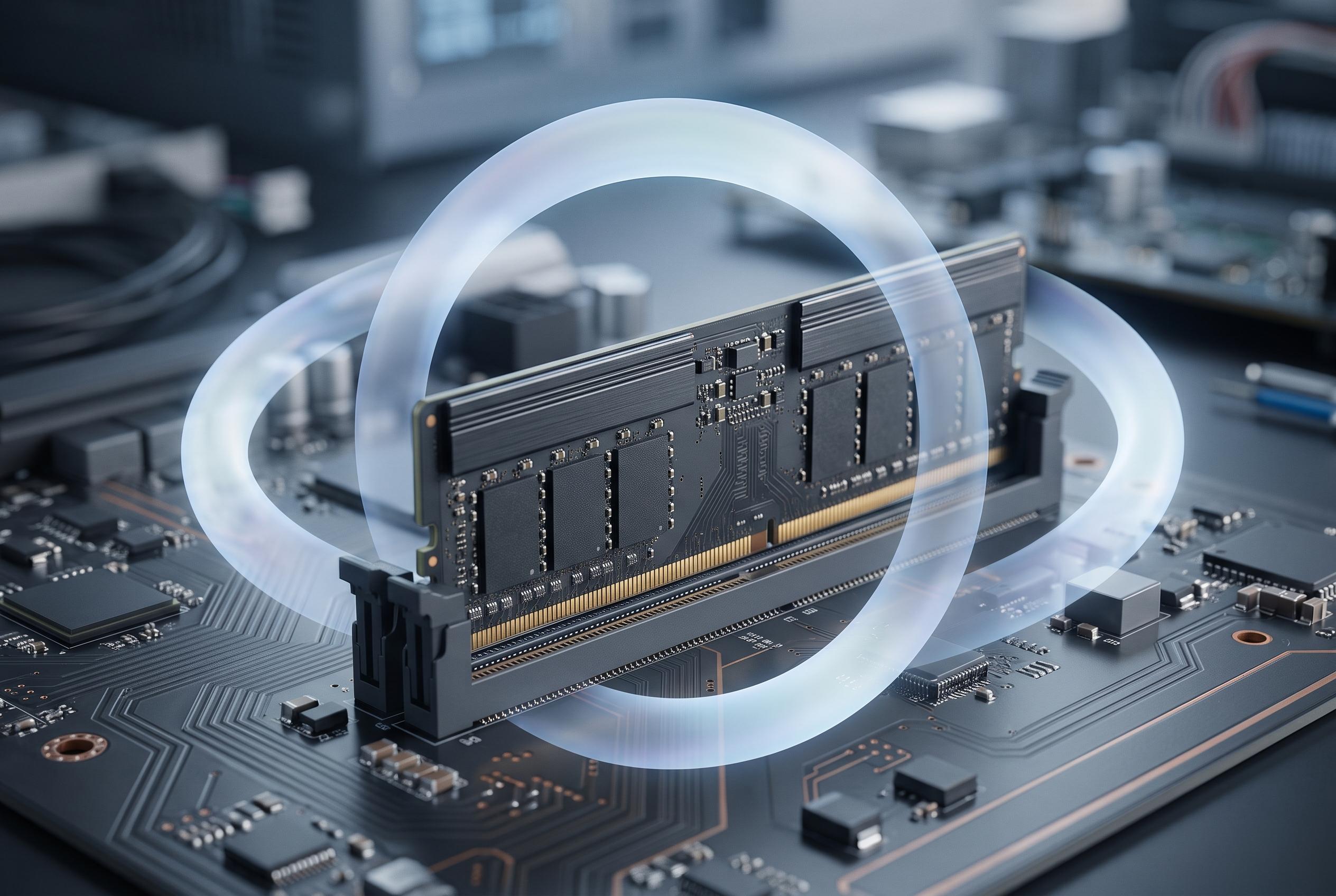

Micron Technology’s shares have soared, driven by a persistent memory shortage and soaring demand, but future gains may depend on how long tight supply persists amid looming new capacity from rivals like SK Hynix.
Micron Technology’s shares have surged so sharply that the central debate is no longer whether the stock is cheap on paper, but whether the memory market can stay tight long enough to justify the rally. The Motley Fool says Micron trades at about 20 times trailing earnings, below the S&P 500 average, yet that comparison alone does not settle the case because the semiconductor group is shaped by cycles, not just valuation ratios.
The real issue is supply. According to The Motley Fool, South Korea’s SK Hynix has announced more than $38 billion of investment in new facilities, a move that briefly unsettled Micron investors because it points to more capacity eventually entering the market. Even so, those plants will take years to complete, which means the current shortage in memory and storage products is likely to persist in the near term. That should keep pricing firm for now, but it also means investors are watching for the moment when supply starts to catch up.
That concern is why some analysts argue that Micron’s extraordinary gains may not be easy to repeat. The Motley Fool notes that the stock is up roughly 600% over the past 12 months, while a separate April assessment from the same publication described Micron as still looking inexpensive despite the share-price surge. Other recent commentary has been even more bullish. A 2026 analysis from Investing.com said Micron’s high-bandwidth memory supply for this year is already sold out under multi-year contracts, while another report argued that the tight supply backdrop continues to support DRAM and NAND pricing.
The broader investment case, then, rests on how long artificial-intelligence demand can outrun new production. MarketDigests said the AI memory cycle remains a major source of optimism, but it also warned that the peak of the cycle could eventually expose investors to downside if demand normalises faster than expected. That leaves Micron in a familiar but tricky position: the business may still be benefiting from powerful demand, yet the stock’s next move will likely depend less on today’s results than on whether the current shortage remains intact into 2027 and beyond.
Disclaimer: This content is intended for informational purposes only. Readers are advised to exercise their own judgement, conduct due diligence, or consult a qualified expert before acting on any information provided.