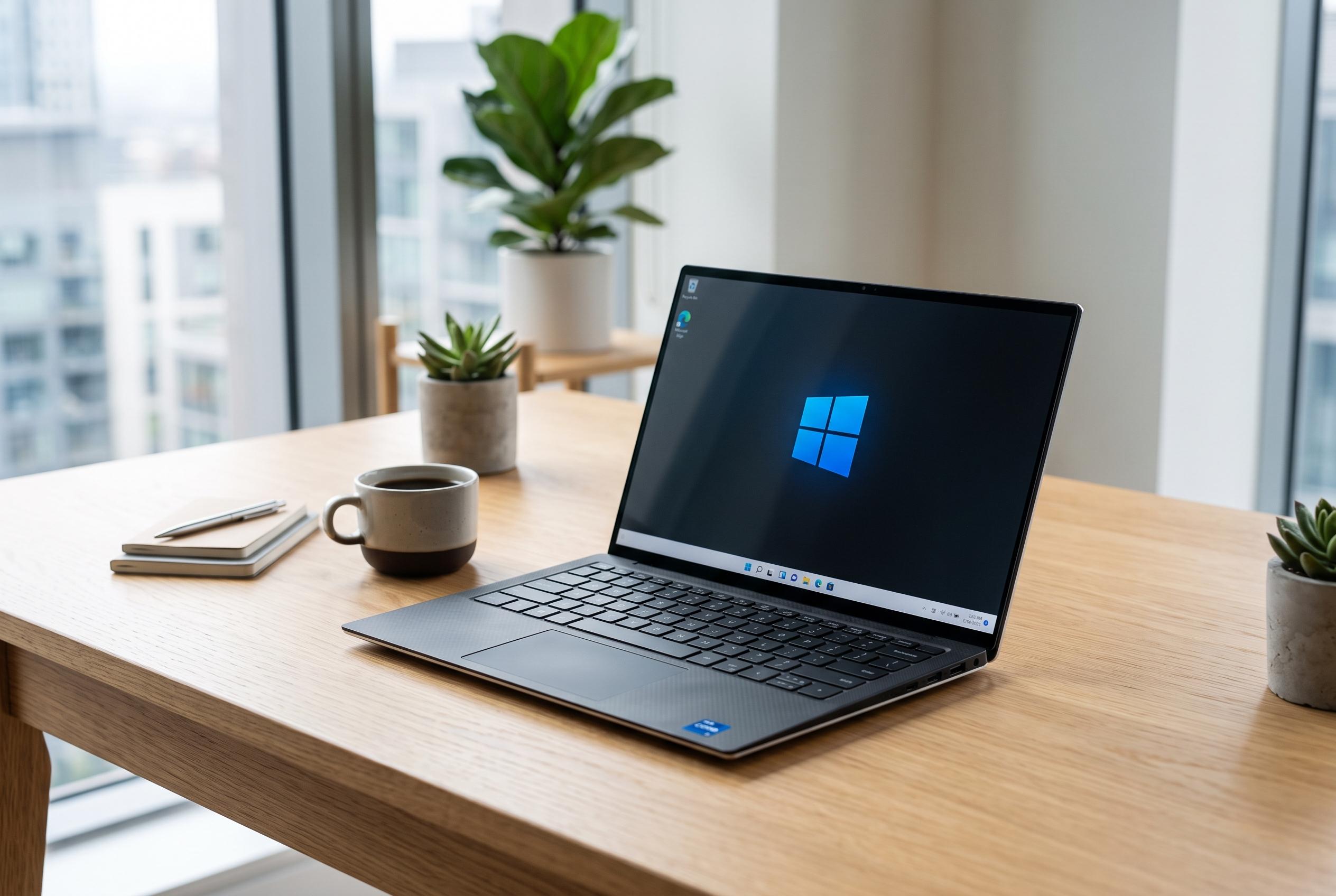

Microsoft has increased Windows licence fees for OEMs by up to 10%, intensifying pressure on hardware costs and potentially driving up consumer prices in an already strained PC market.
Windows PC prices are rising as Microsoft has reportedly lifted the licence fees it charges original equipment manufacturers by 7% to 10%, adding fresh pressure to hardware makers already dealing with higher memory costs. According to United Daily News and reporting from Windows Central, the increase took effect in July 2026 and is tied to the processor class inside each machine, which means the impact varies by model. The result is likely to be passed on to buyers, with analysts expecting another round of price increases in the months ahead.
The pricing pressure is building on an already difficult market. Windows Central said the combined effect of licence fee increases and component shortages is pushing even entry-level PCs towards the $1,000 mark, while higher-end laptops have moved closer to $2,000. It also reported that Microsoft’s Surface devices have become noticeably more expensive. The distinction matters: the higher fees apply to manufacturers, not to people buying a standalone Windows 11 licence, which remains priced separately.
Signs of the strain are already visible in Asia’s PC supply chain. Acer said in February that it was raising prices on much of its catalogue because of higher RAM and SSD costs, while United Daily News said ASUS and Acer were among the first major Taiwanese vendors to flag higher PC prices linked to the broader cost environment. United Daily News also cited Counterpoint Research data showing global PC shipments of 65 million units in the second quarter of 2026, down 4% from a year earlier.
The outlook suggests the market may get more expensive even if shipment volumes soften. Tom’s Hardware, citing IDC, reported that the research firm has sharply cut its 2026 PC shipment forecast because of memory shortages and wider supply chain disruption, but still expects the overall market value to rise on the back of higher prices. That would fit a market in which vendors are protecting margins by lifting prices rather than absorbing costs, even as buyers face fewer affordable options. Microsoft has not publicly commented on the reported Windows licensing increase.
Disclaimer: This content is intended for informational purposes only. Readers are advised to exercise their own judgement, conduct due diligence, or consult a qualified expert before acting on any information provided.