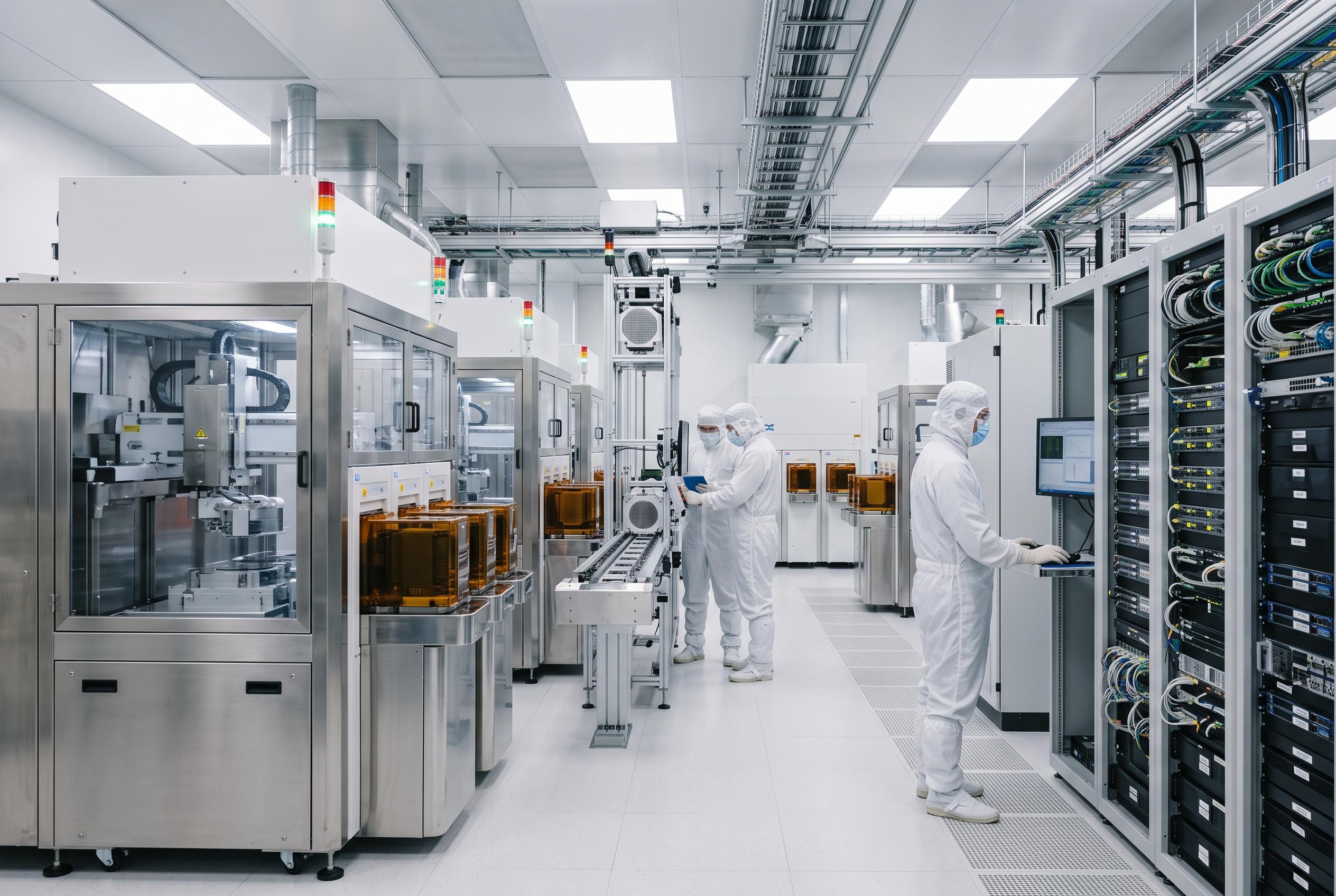

Morgan Stanley suggests the recent sharp decline in memory-chip shares may be ending, viewing current valuations as an attractive entry point amid signs of supply constraints and a burgeoning AI super-cycle.
Morgan Stanley says the sharp fall in memory-chip shares may have run its course, arguing that the sector’s recent sell-off has created an attractive entry point after a steep correction. In a recent Asia technology note, the bank said the worst of the decline in the memory market appears to be over and described current valuations as a tactical opportunity for investors. The view comes from Shawn Kim, the analyst who warned in 2021 that a memory downturn was approaching.
The call is more cautious than bullish in the near term. Morgan Stanley expects price gains to slow from the fourth quarter as inventories and supply recover, which could limit further upgrades to earnings forecasts. Even so, the bank remains constructive on artificial intelligence-related capital spending and on shareholder returns, with buybacks singled out as a possible support for share prices. The bank kept its target price for SK Hynix at 2.6 million won and for Samsung Electronics at 375,000 won.
That stance fits a wider debate over whether AI is creating a lasting super-cycle for semiconductors. Industry research cited by Tom’s Hardware describes a “giga cycle” driven by AI infrastructure spending, with semiconductor revenue forecast to move beyond $1 trillion by 2028 or 2029. Morgan Stanley has also argued that memory is becoming a key bottleneck in AI systems because inference workloads depend heavily on memory access, not just processing power. In its view, the market is moving into a capacity-constrained phase in which execution risk matters more than demand risk for 2026.
At the same time, the bank has previously flagged signs that the memory recovery may not be smooth. It cut its 2025 semiconductor revenue growth forecast earlier this year after weaker-than-expected industry billings, saying memory markets were still struggling even as AI investment remained robust. In a podcast, Kim said AI memory costs have risen sharply and that supply cannot respond quickly because new capacity takes years to build and qualify. He also warned that the pressure may increasingly spill over into PCs, smartphones and industrial devices, even if the direct effect on consumer prices remains limited.
Disclaimer: This content is intended for informational purposes only. Readers are advised to exercise their own judgement, conduct due diligence, or consult a qualified expert before acting on any information provided.