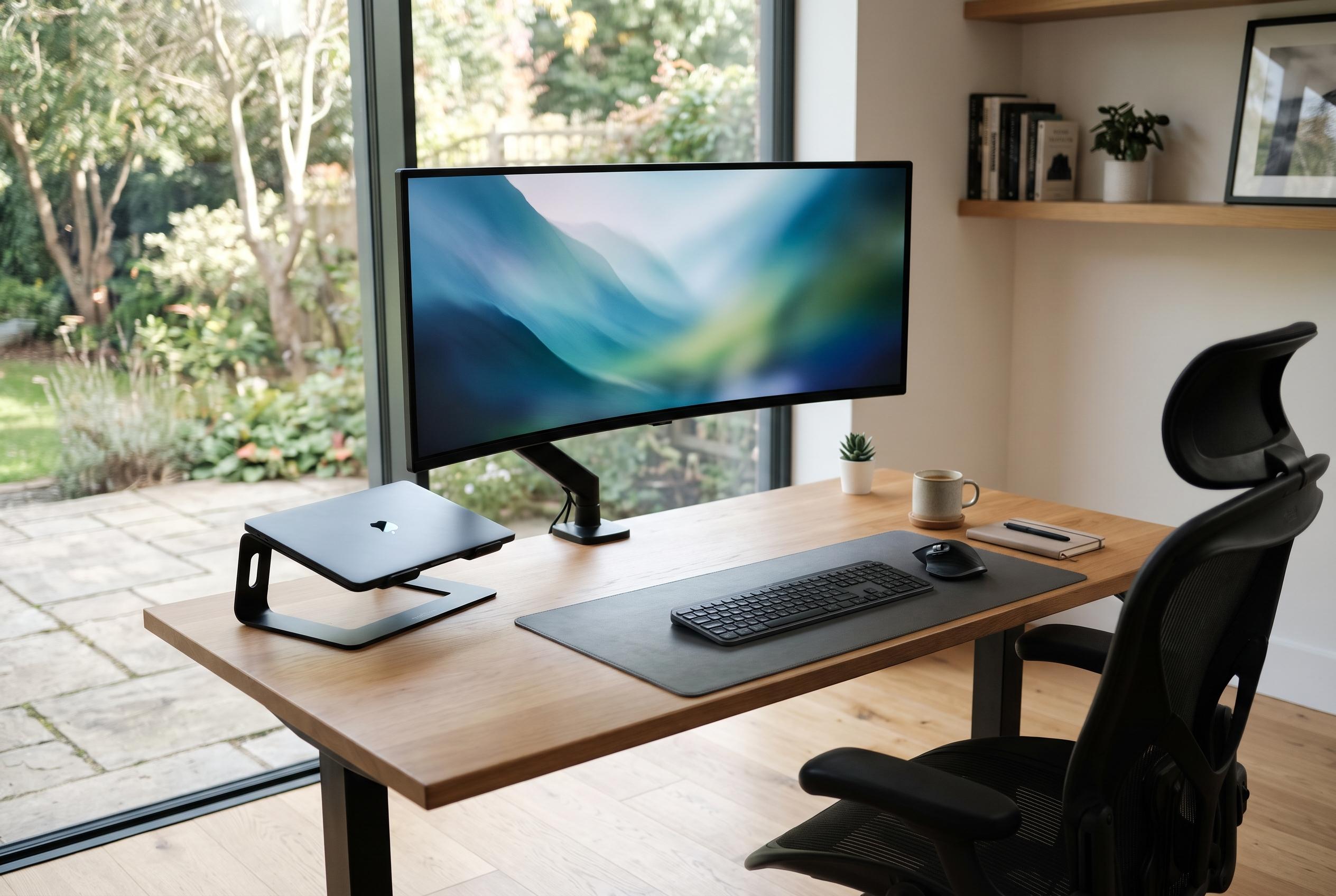

Global OLED monitor shipments are forecast to rise 79% in 2026 as cheaper panels, new manufacturers and faster production push premium displays towards mainstream prices.
OLED monitors are moving from premium niche to mainstream product, with market researchers expecting another sharp rise in shipments this year. Omdia forecasts global OLED monitor shipments of 6.1 million units in 2026, up 79% from a year earlier, and says the category could reach 7.5 million by 2027 as more brands adopt the technology. The shift matters because OLED has long been associated with high prices, especially in the gaming segment, where early 27-inch 240Hz models launched close to the $1,000 mark.
Prices have already fallen substantially. Omdia’s data, as reported by Thanh Nien, indicates that 27-inch OLED gaming monitors with 240Hz refresh rates have become more than 40% cheaper in 2026, with several premium models available at about $350 in the first half of the year. Analysts expect further declines, with some high-end OLED displays possibly falling to around $300 by 2027. That would mark a major reset for a category once defined by limited supply and very high entry costs.
A key reason is the widening pool of manufacturers willing to build OLED panels for monitors. TCL China Star, or TCL CSOT, is preparing to supply its first OLED monitor panel to MSI in the third quarter of 2026, according to industry reports based on Omdia research. The company is also planning 32-inch and 34-inch OLED monitor panels with refresh rates of up to 700Hz for production at a new Gen 8.6 facility in Guangzhou from 2028. Its inkjet-printing process is expected to cut material usage dramatically and reduce production costs, which could help bring down retail prices further if yields and volumes scale as planned.
Broader purchasing trends point in the same direction. Omdia expects ASUS to be the largest buyer of OLED monitor panels in 2026, followed by MSI, Samsung and TPV, while Gigabyte has already expanded its own OLED monitor line-up. For buyers, however, lower prices do not remove every drawback. OLED still carries a risk of burn-in if static images are left on screen for long periods, although modern panels and protection features have reduced that concern. Even so, the combination of falling prices, broader brand support and faster panel production suggests OLED monitors are likely to become both more common and easier to justify for a wider range of users.
Disclaimer: This content is intended for informational purposes only. Readers are advised to exercise their own judgement, conduct due diligence, or consult a qualified expert before acting on any information provided.