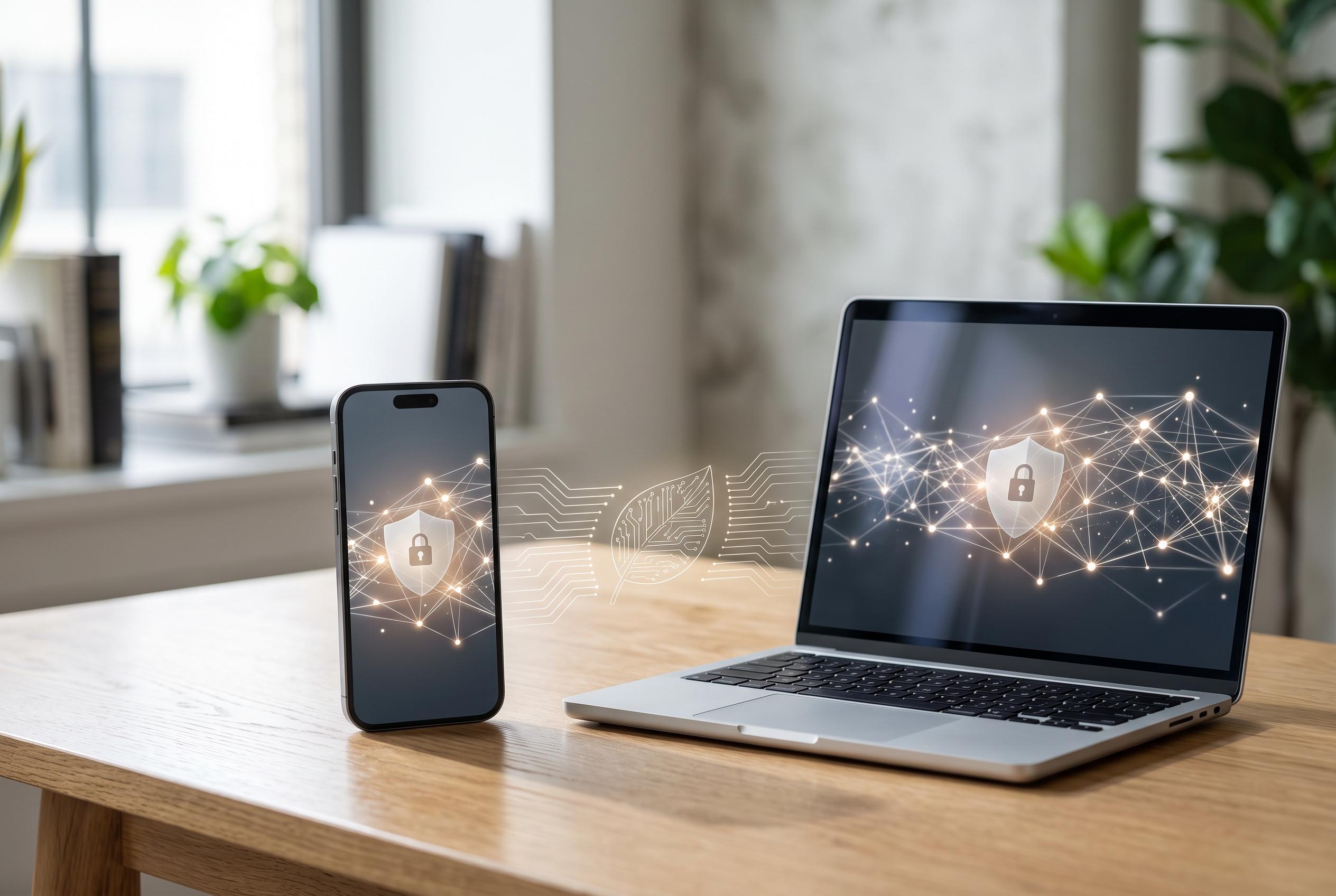

As on-device AI becomes mainstream, its integration into consumer devices promises enhanced privacy, reduced environmental impact, and accelerated adoption of local AI applications, signalling a paradigm shift in AI deployment.
On-device AI is moving from a niche technical option to a practical design choice. The appeal is straightforward: if a model can run on a phone, laptop or tablet, sensitive text, images and voice data do not need to leave the device for every task. That matters for privacy, latency and reliability, especially as more everyday uses shift from experimental chatbots to writing help, search, image analysis and personal productivity tools.
The wider argument is also environmental and economic. Cloud inference depends on data centres, and as usage rises, so do demands on electricity, cooling and network capacity. Inference on local hardware is not free, either, but it can reduce repeated round trips to remote servers for routine prompts. For many users, the real question is whether a task needs large-scale cloud infrastructure at all when modern consumer devices already carry capable chips and increasingly generous memory.
That shift is already visible in consumer software. Products such as LiberaGPT and LenvX are built around private, offline use, while OminiX extends the idea into on-device speech and voice cloning. TinyLLM focuses on compressing and distilling models so they can run on constrained hardware with lower latency. These tools point to the same direction: local AI is no longer limited to toy demos, but is being packaged for real use on mobile and desktop systems.
The developer ecosystem is expanding alongside those products. Frameworks such as llama.cpp remain popular for lightweight local inference, while MLC LLM targets desktops, browsers and mobile platforms with deployment tools and OpenAI-compatible interfaces. ONNX Runtime GenAI is aimed at cross-platform deployment, including Windows, Linux, macOS and mobile devices. ExecuTorch, described by Meta as a runtime for on-device inference, supports language, vision and speech models across a broad hardware stack. Google’s LiteRT, which evolved from TensorFlow Lite, is also designed for CPU, GPU and neural processing unit acceleration across multiple device classes.
The technical enablers are important because the field has matured beyond simply forcing oversized models into small devices. Quantisation, model compression and hardware-specific acceleration are making smaller systems more usable without an unacceptable loss of quality. That opens up practical applications: a writing assistant that keeps documents local, a search tool that indexes personal files without uploading them, or a camera app that analyses images on the device itself. In that sense, the central issue is not whether on-device AI is possible. It already is. The more relevant question is how much of everyday AI should stay local, and how quickly manufacturers, developers and researchers will build products around that assumption.
Disclaimer: This content is intended for informational purposes only. Readers are advised to exercise their own judgement, conduct due diligence, or consult a qualified expert before acting on any information provided.