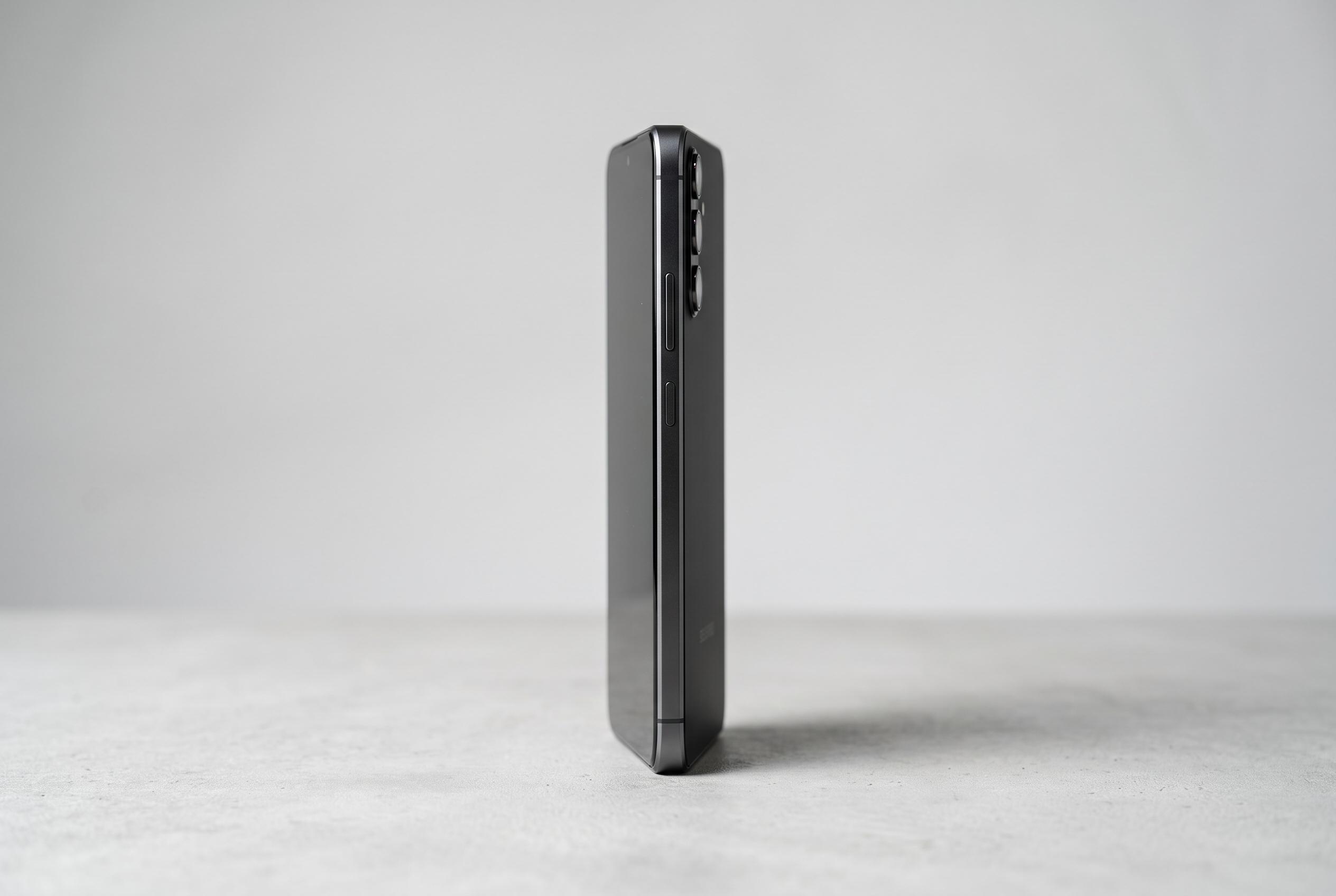

Leaked code in HyperOS hints at major battery size reductions for international versions of Poco’s upcoming flagship smartphones, but with continued support for 100W fast charging and high-end specifications, signalling a shift in global market strategy.
Code found in HyperOS points to major battery changes for the global versions of Poco’s next flagships, the POCO F9 Ultra and POCO F9 Pro. According to Gizmochina, which cited leaker Kacper Skrzypek, the two phones are expected to mirror the Chinese Redmi K100 Pro and K100 Pro Max in most respects, but with smaller batteries for international markets. Early appearances in certification databases in Singapore and Indonesia suggest an official launch is getting closer.
The most notable change concerns capacity rather than charging speed. The POCO F9 Ultra is said to carry an 8,050mAh battery, down from the 9,070mAh unit in the Chinese Redmi K100 Pro Max, while the POCO F9 Pro is tipped to use a 6,330mAh cell instead of the 8,580mAh pack in the Redmi K100 Pro. Both handsets are still expected to support 100W wired charging. That would place them alongside recent Poco models such as the F8 Ultra, which has been listed by several device trackers with 100W charging and a 6,500mAh battery.
Beyond the battery, the rest of the specification sheet appears aimed at the top end of the market. The phones are expected to use 1.5K AMOLED panels with an unusually high 185Hz refresh rate, with a 6.9-inch screen for the Ultra and a 6.59-inch display for the Pro. Qualcomm’s Snapdragon 8 Elite Gen 5 is expected to power both devices, paired with up to 16GB of LPDDR5X memory and up to 1TB of UFS 4.1 storage.
Camera hardware is also likely to differ between the two models. The main sensor on both phones is expected to be Samsung’s 200-megapixel HP5 unit. The Ultra is tipped to add a 50-megapixel ultra-wide camera and a 50-megapixel periscope telephoto lens with 5x optical zoom, while the Pro may settle for an 8-megapixel ultra-wide camera and a 50-megapixel periscope unit with 2.5x zoom. Both devices are expected to use a 32-megapixel front camera.
Disclaimer: This content is intended for informational purposes only. Readers are advised to exercise their own judgement, conduct due diligence, or consult a qualified expert before acting on any information provided.