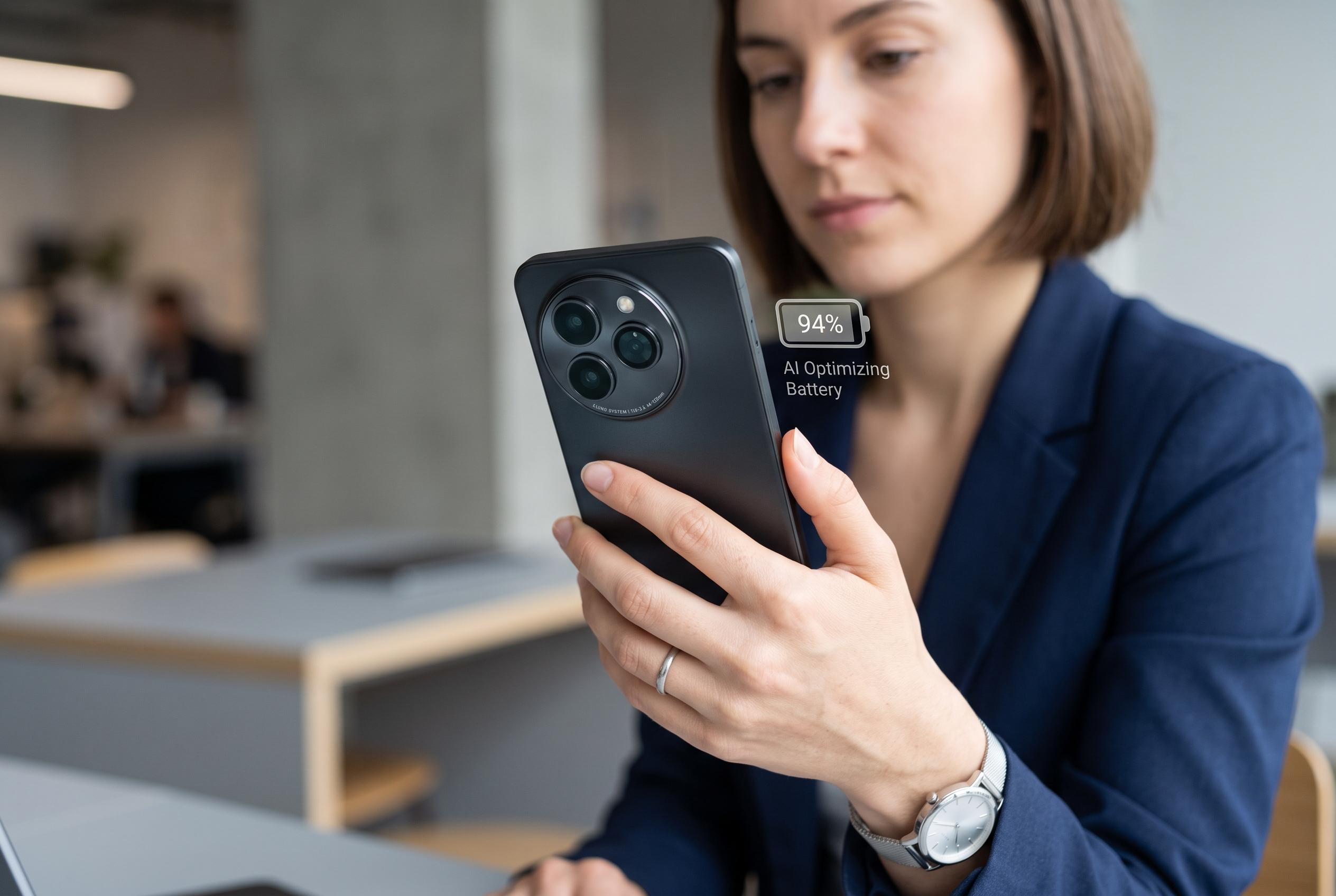

Modern smartphones are shifting focus from cosmetic design to functional performance, with advancements in camera technology, battery endurance, AI integration, and hardware innovation redefining consumer choices in 2026.
Smartphones are moving away from cosmetic upgrades and towards practical gains that users can feel every day. Camera quality, battery life, on-device AI, stronger connectivity and longer software support are now shaping buying decisions more than thinner frames or larger displays. TechRadar reported in August 2026 that the best camera phones are judged increasingly by real-world image and video output, while its separate survey found battery life had overtaken price as the main factor in purchase decisions.
That shift is visible in mobile photography. Digital Camera World said 2025 established three defining trends: attachable lenses, higher-resolution sensors and wider AI integration. The same report noted that brands such as Vivo and Oppo have pushed teleconverter-style accessories, while 200MP sensors have become common in flagship models. TechRadar’s camera rankings also suggest that sensor size and image processing now matter as much as raw specification counts.
Artificial intelligence is no longer confined to marketing language. According to ITegrators, dedicated neural processing units are helping phones summarise messages, translate speech and remove unwanted objects from photos in real time. Android Central said at Mobile World Congress 2026 that AI has become central to Android devices, while foldables and satellite connectivity are moving from novelty status towards broader adoption.
Hardware design is changing in parallel. Gizmochina argued in January 2026 that large OLED panels, slim bezels and stacked camera modules have become standard, pushing competition into chips, software and internal efficiency. ITegrators added that silicon-carbon batteries are becoming more important because they can store more energy in the same space, which helps explain why battery endurance is now such a prominent selling point.
For buyers, the practical test is whether a handset balances performance with longevity. TechRadar’s survey suggests people are holding on to devices longer when battery life and reliability are strong, while Android Central’s MWC coverage points to a market in which AI, foldables and satellite features are maturing at the same time. That makes software support, thermal stability, charging speed and camera quality more useful comparison points than design alone.
Disclaimer: This content is intended for informational purposes only. Readers are advised to exercise their own judgement, conduct due diligence, or consult a qualified expert before acting on any information provided.