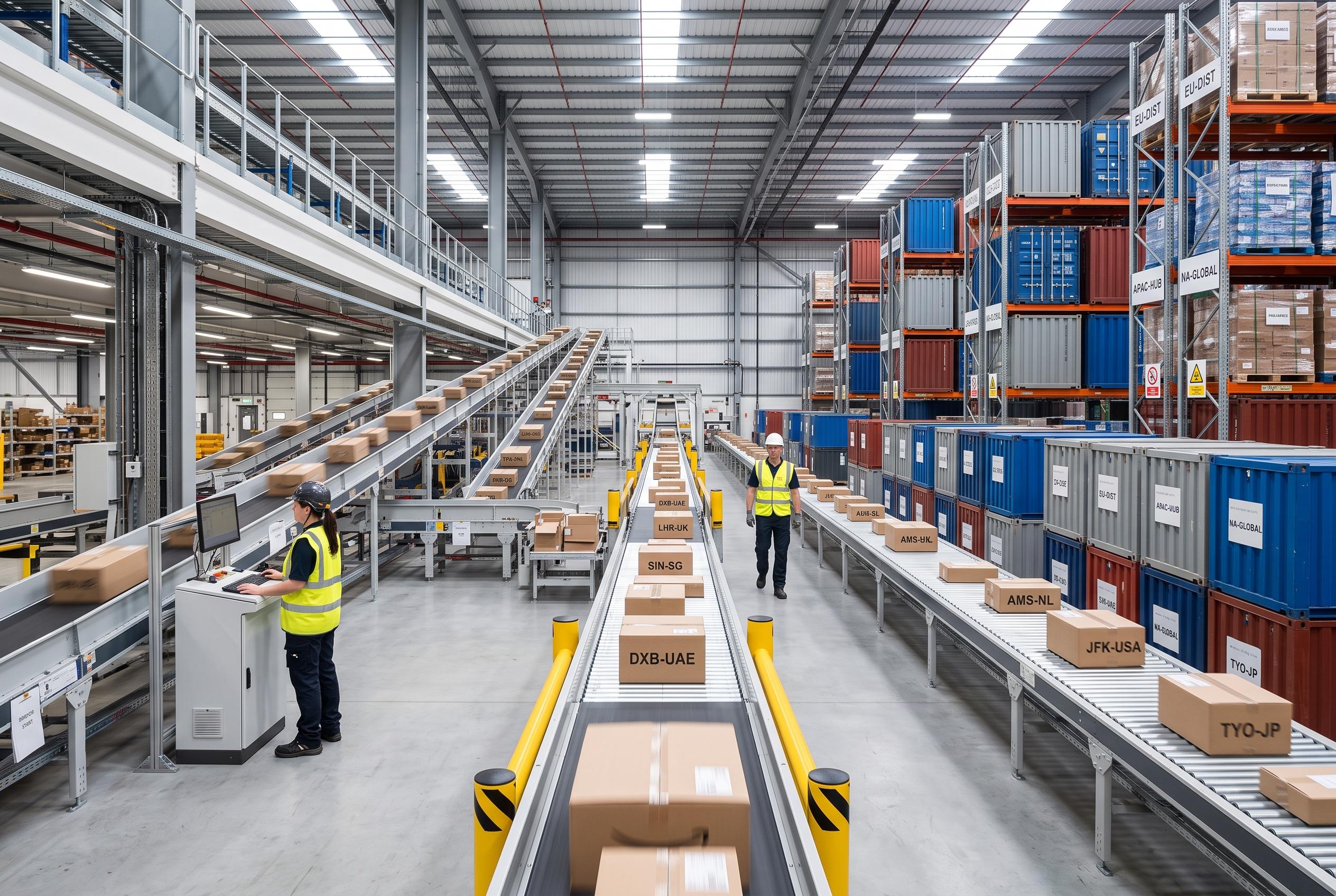

Retail sourcing strategies are increasingly prioritising resilience over cost-cutting, as global tensions and rising manufacturing hubs like India and Vietnam reshape supply networks amid volatile markets and policy uncertainties.
Retail sourcing is shifting away from a narrow focus on cutting costs and towards resilience, as retailers respond to geopolitical tensions, volatile freight markets and uncertainty over trade policy, according to TradeBeyond’s latest quarterly report.
The software company’s Q3 2026 Retail Sourcing Report says many buyers are bringing forward orders to guard against higher prices and possible supply disruptions. That approach reflects a wider rethink of procurement strategy, with retailers increasingly trying to build supply networks that can absorb shocks rather than simply deliver the lowest landed cost.
TradeBeyond says the pressure has intensified after container freight rates hit an 18-month high in the second quarter of 2026, helped by an early peak shipping season, continuing disruption in the Red Sea and importers moving purchases forward before expected tariff changes. Its earlier quarterly reports showed the same broad trend gathering pace through 2026, with supply chains becoming more fragmented and companies leaning towards regional sourcing as protectionism and policy risk increase.
The report also points to deeper changes in global manufacturing. India has now overtaken South Korea to become one of the world’s five biggest manufacturing powers, while Vietnam is moving beyond low-cost assembly into higher-value production, TradeBeyond said. Earlier versions of the report similarly highlighted India and Vietnam as rising alternatives as retailers diversify away from concentrated manufacturing bases.
For North American companies, the US decision not to renew the CUSMA free-trade agreement adds another layer of uncertainty, with the pact now moving into annual review. TradeBeyond also said extended producer responsibility rules are moving into enforcement, making product traceability, compliance and materials data management more important for retailers and their suppliers.
Disclaimer: This content is intended for informational purposes only. Readers are advised to exercise their own judgement, conduct due diligence, or consult a qualified expert before acting on any information provided.