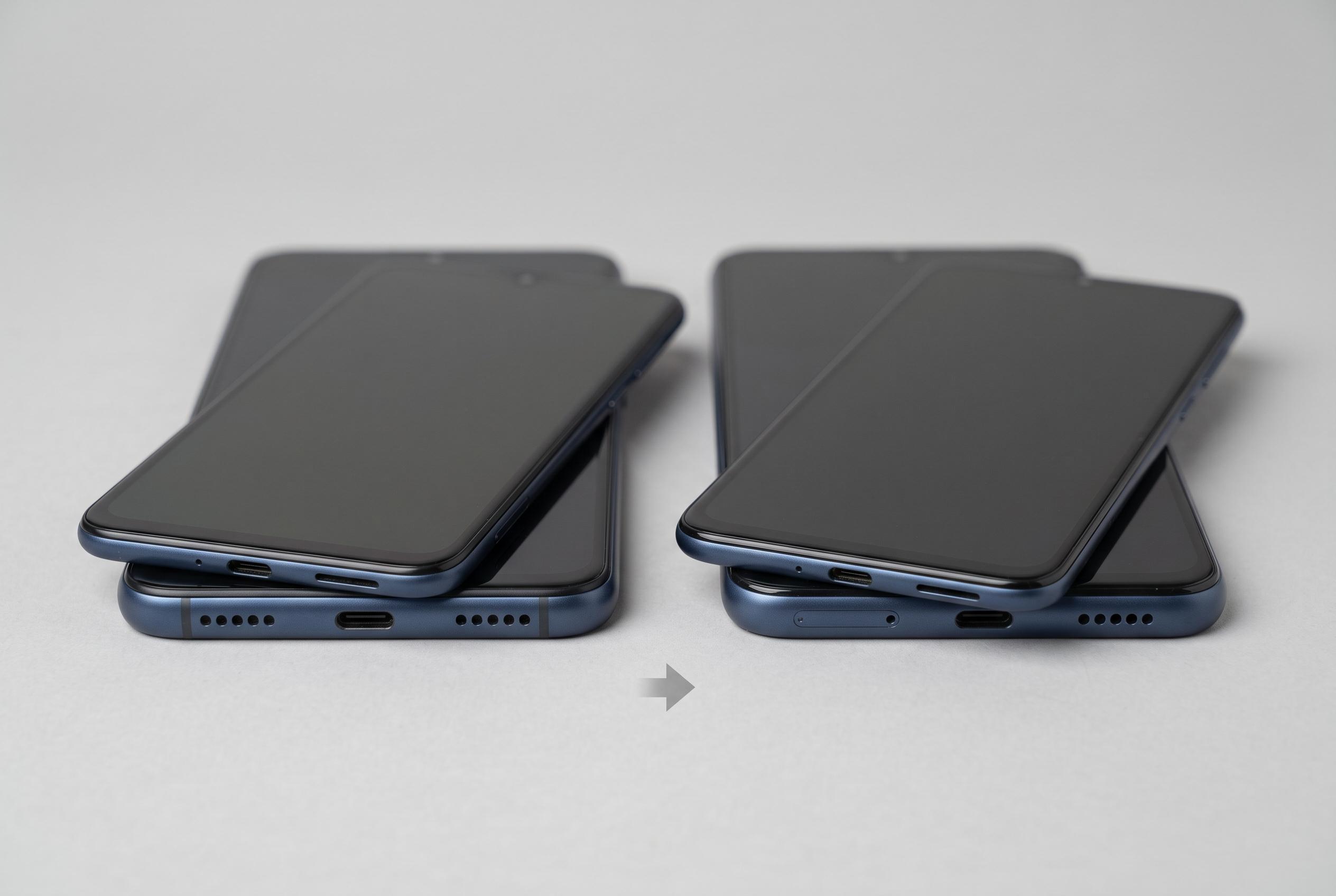

As component prices soar, manufacturers are trimming lesser-visible features like speakers and microSD support in budget and mid-range phones, prompting consumers to scrutinise specifications more closely.
Rising component prices are increasingly forcing smartphone makers to look for savings in places buyers are least likely to inspect. The concern is not only higher launch prices, but also a quieter form of downgrade: changes that do not appear prominently on spec sheets yet still affect everyday use. In the current market, memory and storage costs are rising fast enough to reshape what manufacturers can afford to include, especially in mid-range and budget models. Android Authority and NotebookCheck both point to a broader shift in which visible headline features remain intact while less prominent parts of the handset are pared back.
A recent example comes from Xiaomi’s Redmi-branded mid-range line. NotebookCheck’s audio testing found that the Xiaomi 17T performed worse than the previous 15T in speaker quality, with weaker bass, less fullness and less convincing high-frequency output. The older model was described as clearer and less harsh at the top end. Android Authority reported that Xiaomi had been asked whether the change reflected a deliberate cost-cutting measure, but the company had not responded at the time. The point is significant because speakers are rarely disclosed in detail on specification tables, making them one of the easier parts of a phone for manufacturers to trim without much immediate consumer scrutiny.
The same pressure is showing up more widely in lower-priced Android phones. According to 9to5Google, rapid RAM inflation has become severe enough that memory can account for as much as 64% of the bill of materials in ultra-low-cost devices, helping explain a 22% year-on-year fall in smartphones priced below $400. That has encouraged makers to fall back on older display panels and last-generation chipsets. NotebookCheck has also observed a return to older compromises such as 90Hz waterdrop displays, plastic frames and hybrid SIM trays, while microSD support, which had been fading, is appearing again in some models.
Apple is also being drawn into the same conversation, at least in the rumour mill. MacRumors reported in April that a leaker claimed the standard iPhone 18 could see display-related downgrades as Apple tries to contain costs, including possible changes to panel quality, brightness or resolution, and a manufacturing approach that would bring it closer to the lower-cost iPhone 18e. Those claims remain unconfirmed. Even so, the wider pattern is clear: as component costs rise, consumers may need to judge phones by independent testing rather than brochure specifications alone, because the most important regression may be the one they cannot easily see.
Disclaimer: This content is intended for informational purposes only. Readers are advised to exercise their own judgement, conduct due diligence, or consult a qualified expert before acting on any information provided.