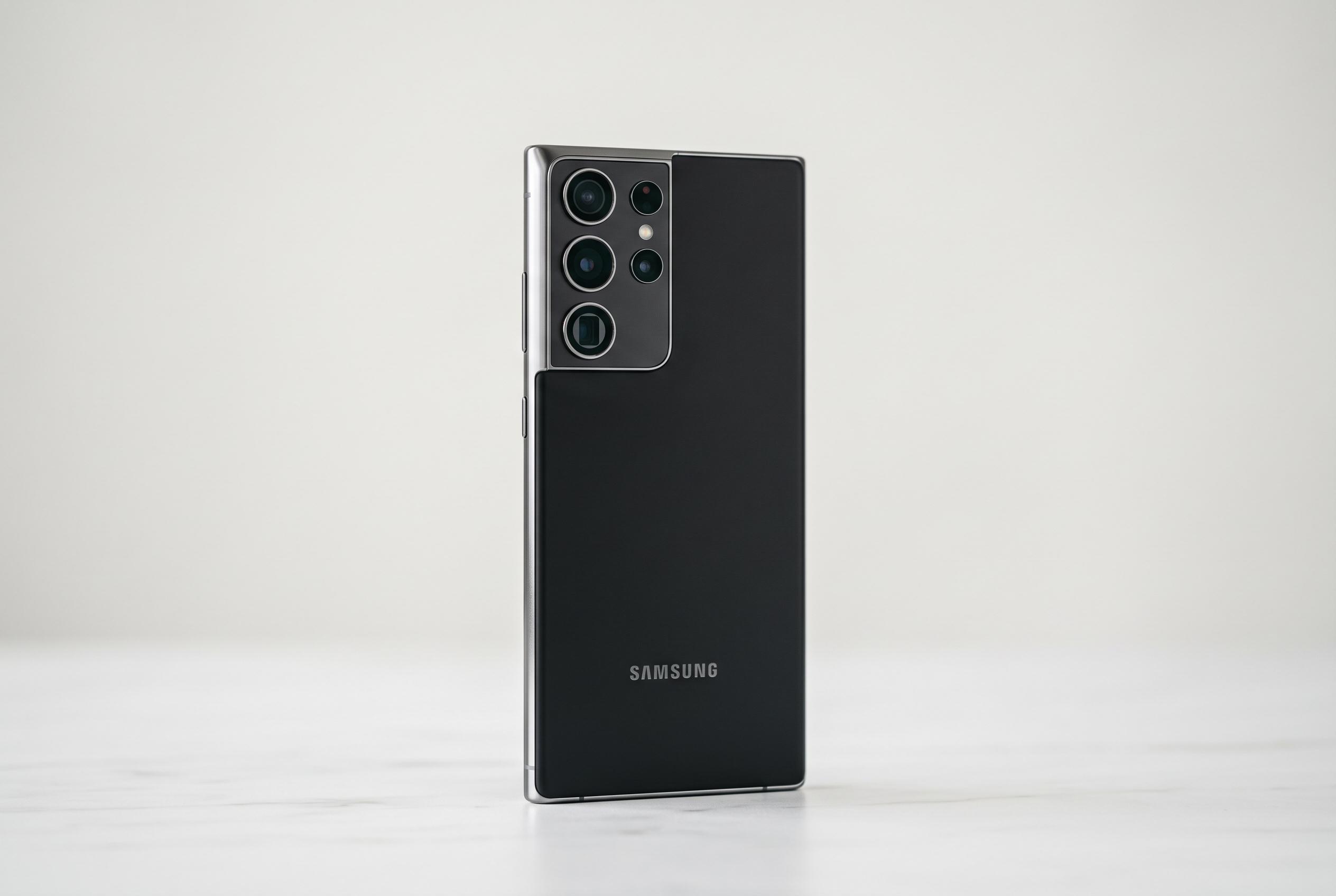

Samsung has abandoned plans to reintroduce the variable aperture feature on its Galaxy S27 Ultra, instead opting for a streamlined camera setup amid rising manufacturing costs and engineering challenges, signalling a shift in flagship camera design.
Samsung has apparently abandoned plans to bring variable aperture back to its Galaxy S27 cameras, despite earlier speculation that the feature could return on the Ultra model. The technology, which physically changes the lens opening to control light entering the sensor, last appeared on some older Samsung flagships, including the Galaxy S9+. According to reporting from South Korea, the company had examined a revival of the system partly in response to talk that Apple may add a similar capability to the iPhone 18. But Samsung is now said to have stepped away from the idea after weighing manufacturing cost, handset thickness and the limited practical benefit it would deliver.
The decision reflects a wider pressure on smartphone makers to keep production costs under control. Memory prices and other component costs have been rising, making additional mechanical parts harder to justify unless they provide a clear improvement in image quality. In Samsung’s case, the added bulk of a variable aperture mechanism appears to have been a significant drawback, especially for a premium phone line where slimness and thermal design remain important.
Even without variable aperture, the Galaxy S27 Ultra is still expected to undergo meaningful camera changes. SamMobile has reported that Samsung may drop the dedicated 3x telephoto camera altogether, with the main 200-megapixel sensor instead handling 3x zoom shots. That would reduce the rear camera array from four modules to three and would bring Samsung closer to the approach already used in Apple’s latest Pro models, where a high-resolution main camera does more of the heavy lifting for zoom.
Earlier reports from SamMobile had also suggested that Samsung was considering major changes to the Ultra’s camera package, including a triple-camera layout and a new 200-megapixel primary sensor. Another report pointed to a newer ISOCELL HP6 sensor as a possible main camera component. For now, the picture remains fluid, but the direction of travel is clear: Samsung appears to be reassessing both the size and the complexity of its flagship camera hardware ahead of the Galaxy S27 launch, expected in early 2027.
Disclaimer: This content is intended for informational purposes only. Readers are advised to exercise their own judgement, conduct due diligence, or consult a qualified expert before acting on any information provided.