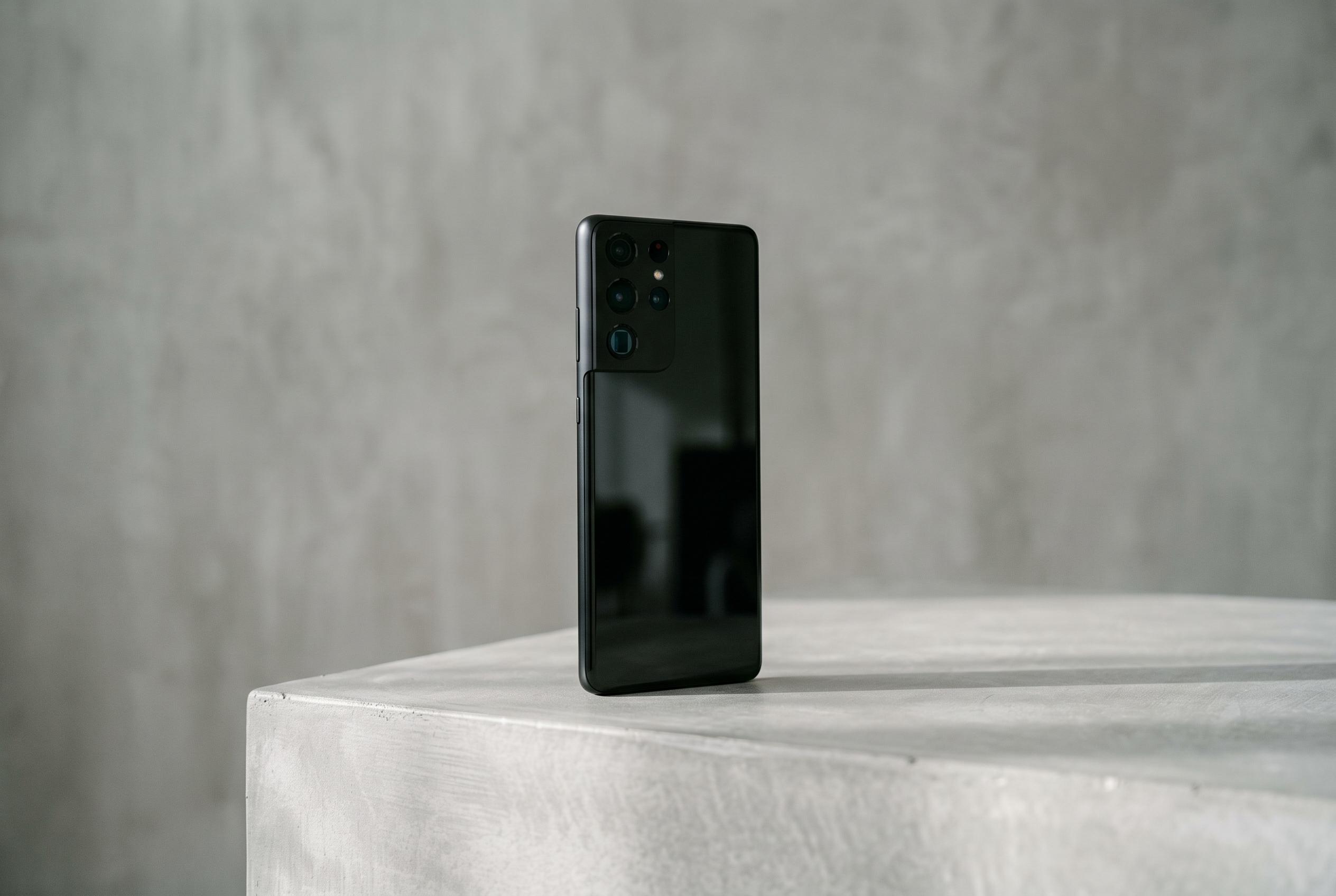

Samsung’s upcoming Galaxy S27 Ultra could experience less competition due to Chinese Ultra phones retreating from global markets, but concerns linger over its incremental advancements in battery and camera features, potentially impacting its premium dominance.
Samsung may be heading into a softer fight at the top end of the Android market in 2027, and that could suit it more than the wider premium segment. If the expected retreat of Chinese Ultra-class phones from global shelves proves correct, the Galaxy S27 Ultra may face fewer direct rivals outside China. That would leave Samsung in a stronger position commercially, but it would also reduce the pressure that has recently forced the biggest Android brands to sharpen their products.
The problem is that Samsung has not always used that pressure well. In recent years, its Ultra models have remained among the most capable mainstream flagships, yet camera performance has often lagged behind expectations, especially with motion and in difficult light. By contrast, Chinese rivals have tended to push harder on imaging hardware and battery design. Their phones have increasingly used silicon-carbon batteries, which can offer higher energy density than the graphite-based cells still common in many US-market devices. Samsung, however, has been comparatively conservative, only recently moving towards that chemistry in its own flagships.
Battery capacity may change with the S27 Ultra. Gizmochina reported that Samsung is testing 5,600mAh and 5,800mAh cells for the phone, a notable step up from the 5,000mAh capacity that has defined recent Ultra models. If accurate, that would bring Samsung closer to the larger batteries already seen in some rivals and could improve endurance, particularly for heavy camera and display use. It would also answer one of the most persistent criticisms of the Ultra line: that its specifications have looked increasingly out of step with the competition.
Camera changes appear likely too, though not all of them would be losses. Android Authority, AndroidPure, Android Central and TechRadar all reported that Samsung may drop the 3x telephoto camera, leaving the S27 Ultra with a simpler triple-camera arrangement centred on the main sensor and a 5x zoom lens. That could make sense if Samsung is aiming to simplify the rear design and make room for Qi2 magnets, which would support magnetic accessories. At the same time, Gizmochina said the main 200-megapixel sensor may remain the same 1/1.3-inch unit used before, suggesting that Samsung could be streamlining the camera system rather than materially upgrading it.
That makes the S27 Ultra a potentially curious flagship. On paper, it may become one of the few widely available Ultra phones left, especially if Chinese manufacturers continue to keep their strongest models at home. But a weaker field would not automatically make Samsung more innovative. If anything, the company risks enjoying an easier run at the top while making only incremental advances in the areas that matter most: imaging, battery life and design clarity. For buyers, that could mean a very polished phone. For the premium Android market, it may mean less competition than it needs.
Disclaimer: This content is intended for informational purposes only. Readers are advised to exercise their own judgement, conduct due diligence, or consult a qualified expert before acting on any information provided.