
Long-term agreements with 14 major customers cover more than half of SK hynix’s 2027 and 2028 capacity, as HBM orders exceed current supply by more than two to one.
SK hynix said its DRAM and high-bandwidth memory output for the next three years is effectively committed, underscoring how aggressively AI infrastructure buyers are locking in supply. The company said on its third-quarter earnings call that, when long-term supply agreements and customer demand under discussion are combined, volumes through 2029 are essentially sold out.
That outlook reflects a market in which demand from large cloud providers and other big tech customers is outrunning supply. SK hynix said it has signed long-term supply agreements with 14 major customers, covering more than half of its production capacity for 2027 and 2028. The company also said those discussions are based on concrete purchasing plans, giving it unusually clear visibility on sales well into the future.
The most acute pressure remains in HBM, the stacked memory used in AI accelerators. SK hynix said customer orders are more than twice the volume it can currently supply, and that some clients are even considering lower stack heights to stretch limited allocations further. In practical terms, that means buyers are trying to maximise the number of accelerators and systems they can build from constrained memory supply.
The company said its next-generation HBM4 is moving into mass production more quickly than planned. It expects HBM4 shipments and revenue contribution to overtake HBM3E in the fourth quarter, helped by yields that have exceeded initial targets. SK hynix also said HBM4E sample deliveries were completed in the second quarter, with development and evaluation now continuing to customer timetables.
Management is confident that profitability will improve next year as a result of a higher HBM4 mix, firmer pricing and better manufacturing efficiency. The company argued that demand is not being driven only by a few hyperscale cloud operators. It said investment is broadening to include enterprise buyers and sovereign AI projects, while cloud revenue at major hyperscalers has risen sharply and their order backlogs have expanded.
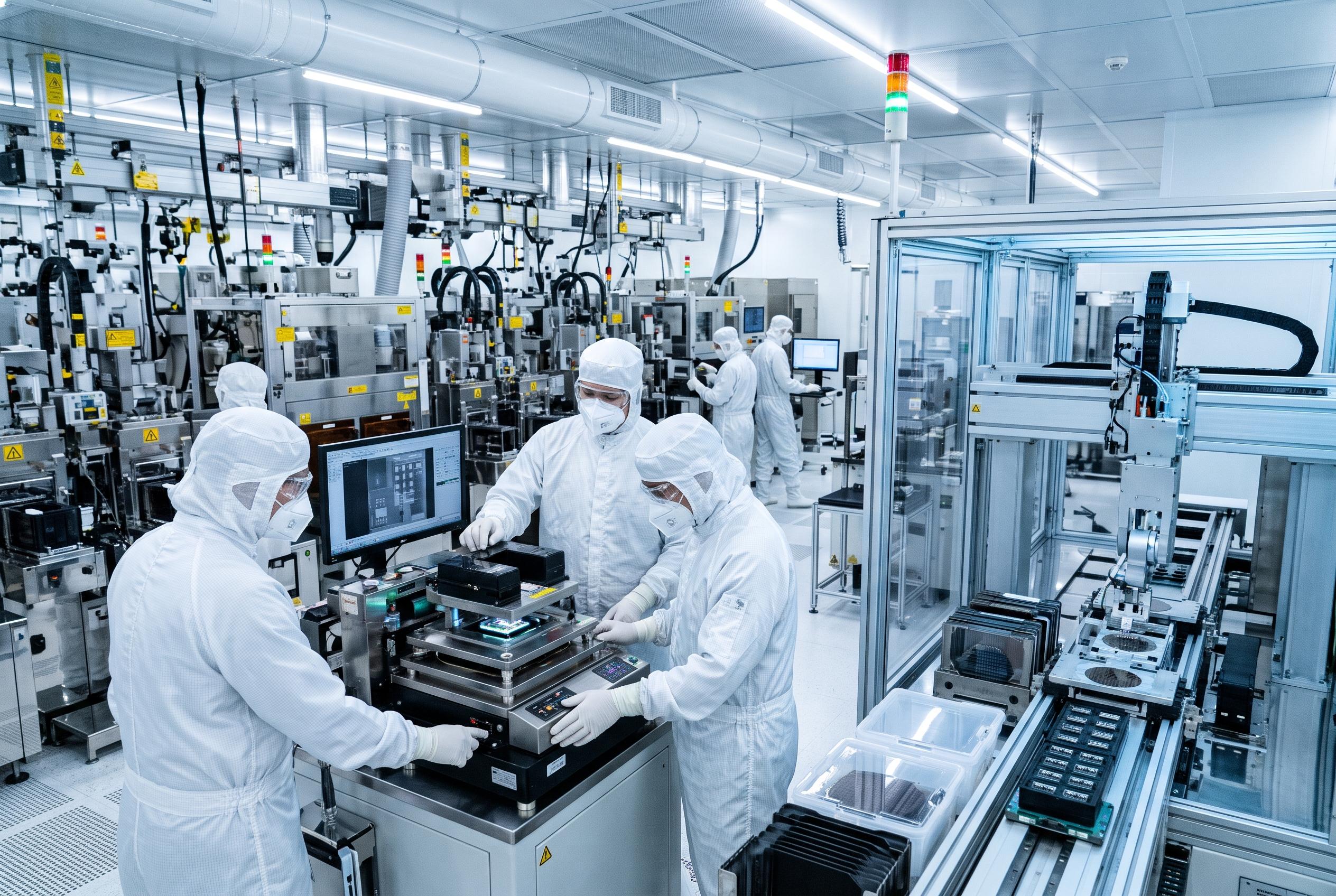
At the same time, SK hynix said it does not intend to respond to the shortage with indiscriminate capacity expansion. It plans to advance construction at sites including the Yongin semiconductor cluster and M17, but to sequence equipment installation and cleanroom activation in line with demand. Chief executive Kwak Noh-jung said the company’s technological edge has translated into customer trust and a business structure that now supports more stable medium- and long-term earnings. SK hynix also reaffirmed shareholder returns, saying it will use proceeds from its Kioxia investment for special dividends and other buybacks and cancellations rather than proceed with a Solidigm initial public offering.
Disclaimer: This content is intended for informational purposes only. Readers are advised to exercise their own judgement, conduct due diligence, or consult a qualified expert before acting on any information provided.