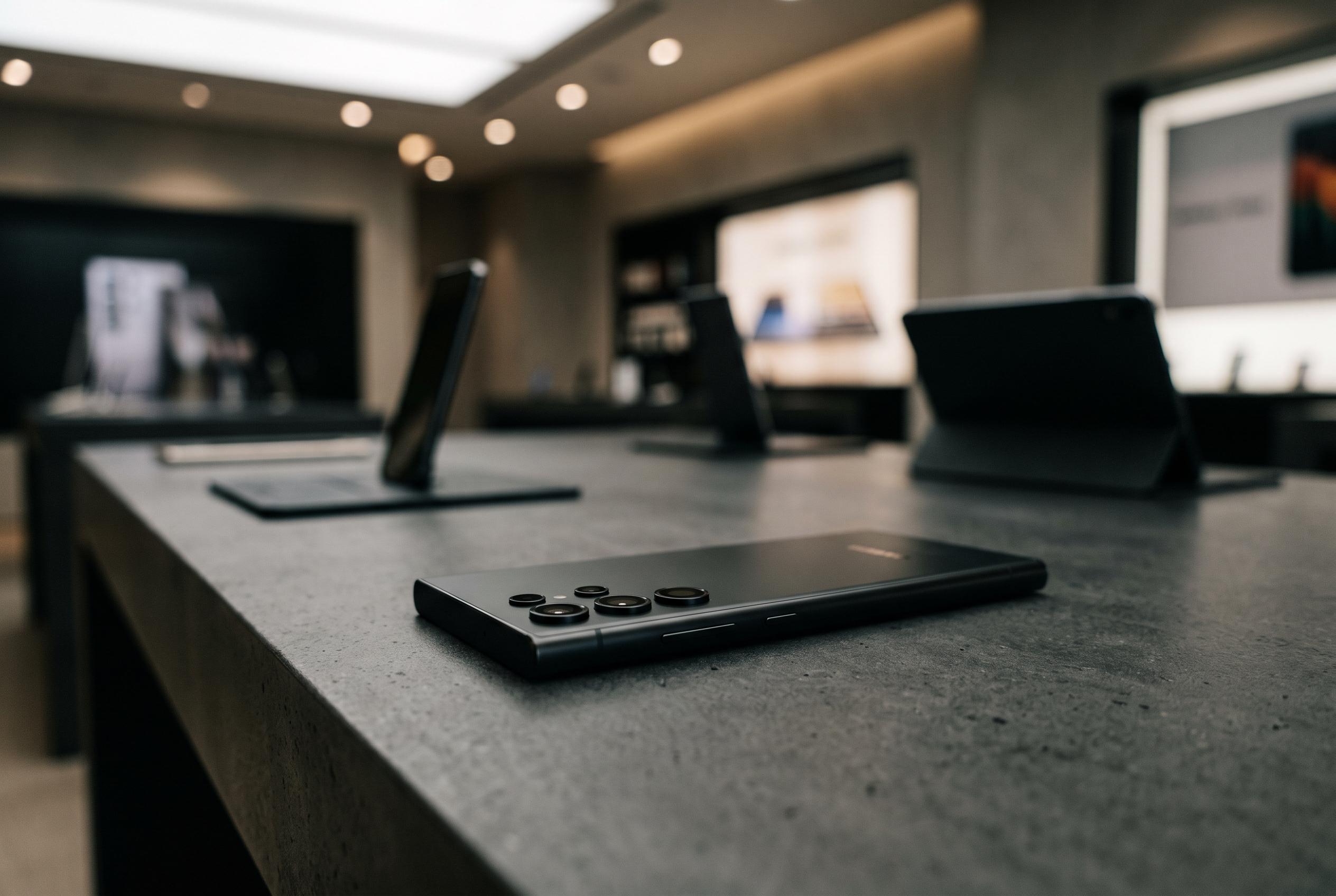

Counterpoint Research predicts a 14.3% decline in global smartphone shipments in 2026 due to supply chain constraints, rising component costs, and weakened affordability, with Samsung poised to retake the market lead amid evolving industry dynamics.
Counterpoint Research expects the global smartphone market to contract sharply in 2026, with shipments falling 14.3% year on year as higher component costs, weak affordability and tighter supply conditions reshape the industry. The firm said the downturn is being driven less by a simple demand dip than by pressure across the supply chain, with mobile memory shortages the main constraint and higher chipset prices adding strain across premium, mid-range and legacy devices.
The steepest impact is likely to be felt in lower-priced phones, where parts costs make up a larger share of the bill of materials and manufacturers have less room to absorb increases. Tom’s Hardware reported that the budget segment is under particular pressure, with sub-$400 phones expected to see a sharp sales decline as memory prices rise and some low-end configurations become uneconomic. Counterpoint said many vendors are responding by lifting prices, trimming options and concentrating on fewer models and priority markets.
Channel inventories built up unevenly in the first half of 2026, but Counterpoint expects that stock to be run down in the second half as older inventory, higher costs and weaker sell-through feed through the system. IDC has also signalled a severe 2026 downturn, forecasting a 13.9% fall in global shipments and describing it as the steepest annual contraction in the market’s history. Both firms point to memory scarcity as a central issue, although IDC also highlighted geopolitical disruption as an added drag.
The competitive picture is also changing. Counterpoint expects Samsung to regain the global number one position in 2026, with shipments forecast to rise 0.8% even as the wider market shrinks. That resilience is tied to Samsung’s broad regional footprint, deeper supply-chain control and stronger access to memory and semiconductors. SamMobile reported that Samsung had already retaken the lead in the first quarter of 2026, helped by the Galaxy S26 series and firm demand for its flagship line-up.
Apple is expected to remain comparatively resilient, but Counterpoint’s outlook is more cautious than for Samsung. Shipments are forecast to fall 2.1% in 2026 before recovering in 2027, supported by premium demand, customer loyalty and financing options. The company’s first foldable iPhone, expected in the third quarter of 2026, is likely to be a niche contributor rather than a material driver of overall volumes. For many Chinese manufacturers, however, the pressure is greater still: Counterpoint expects shipment declines of roughly 15% to 34% for several leading brands, with Huawei standing out as an exception thanks to stronger domestic demand and improving local component support.
Counterpoint said the market should remain under pressure in 2027 before a stronger recovery begins in 2028, when shipments are forecast to rise 4.8% as supply normalises and pricing stabilises. The firm expects that rebound to benefit the largest vendors most, since they are better placed to secure parts, manage financing and maintain distribution through a prolonged downturn. Foldables, on-device AI and, later, 6G-capable devices may support premium replacement cycles, but Counterpoint does not expect them to trigger a broad industry supercycle.
Disclaimer: This content is intended for informational purposes only. Readers are advised to exercise their own judgement, conduct due diligence, or consult a qualified expert before acting on any information provided.