
Tighter battery and supply-chain criteria have nearly eliminated Chinese-made electric commercial vehicles from South Korea’s market, while passenger EV imports continue to gain ground.
Chinese-made electric commercial vehicles have largely vanished from South Korea’s domestic market, while imported passenger EVs have continued to expand their presence, exposing a sharp divide in the way subsidy rules affect different segments. Industry data cited by Financial News show that no Chinese-made electric truck was newly registered in South Korea between January and September this year, after 648 were registered in the same period last year, even as Chinese brands kept gaining ground in passenger EVs. The contrast matters because global electric truck adoption remains uneven and highly policy-dependent, with market research outside South Korea showing that infrastructure and state support continue to shape where commercial EVs can compete most effectively.
The commercial vehicle market appears to have been the clearest test case for tougher subsidy screening. According to Financial News, Chinese brands once accounted for more than half of South Korea’s electric bus market, and the Korea Automobile & Mobility Association said they made up 54.1% of newly registered electric vans in 2023. The government then tightened the rules in stages, first by tying aid to battery energy density, then by adding driving-range requirements, and later by applying the same density standard to low-floor buses. From July, it also introduced an operator evaluation that awards points for contribution to domestic supply chains, which disadvantaged many Chinese models using lithium iron phosphate batteries.
Those measures have had a visible effect. Financial News reported that in the mid-size village-bus class, domestic models rose from 222 units in January to September last year to 382 in the same period this year, while Chinese-made models fell from 289 to 134. The share of Chinese-made city- and village-bus-class electric buses fell by 13 percentage points to 21.6%. In electric cargo vehicles, Chinese participation dropped to almost nothing, with the share sliding from 6.7% to 0.5%. Domestic manufacturers, including KGM Commercial and Kia, have moved quickly to fill the gap.
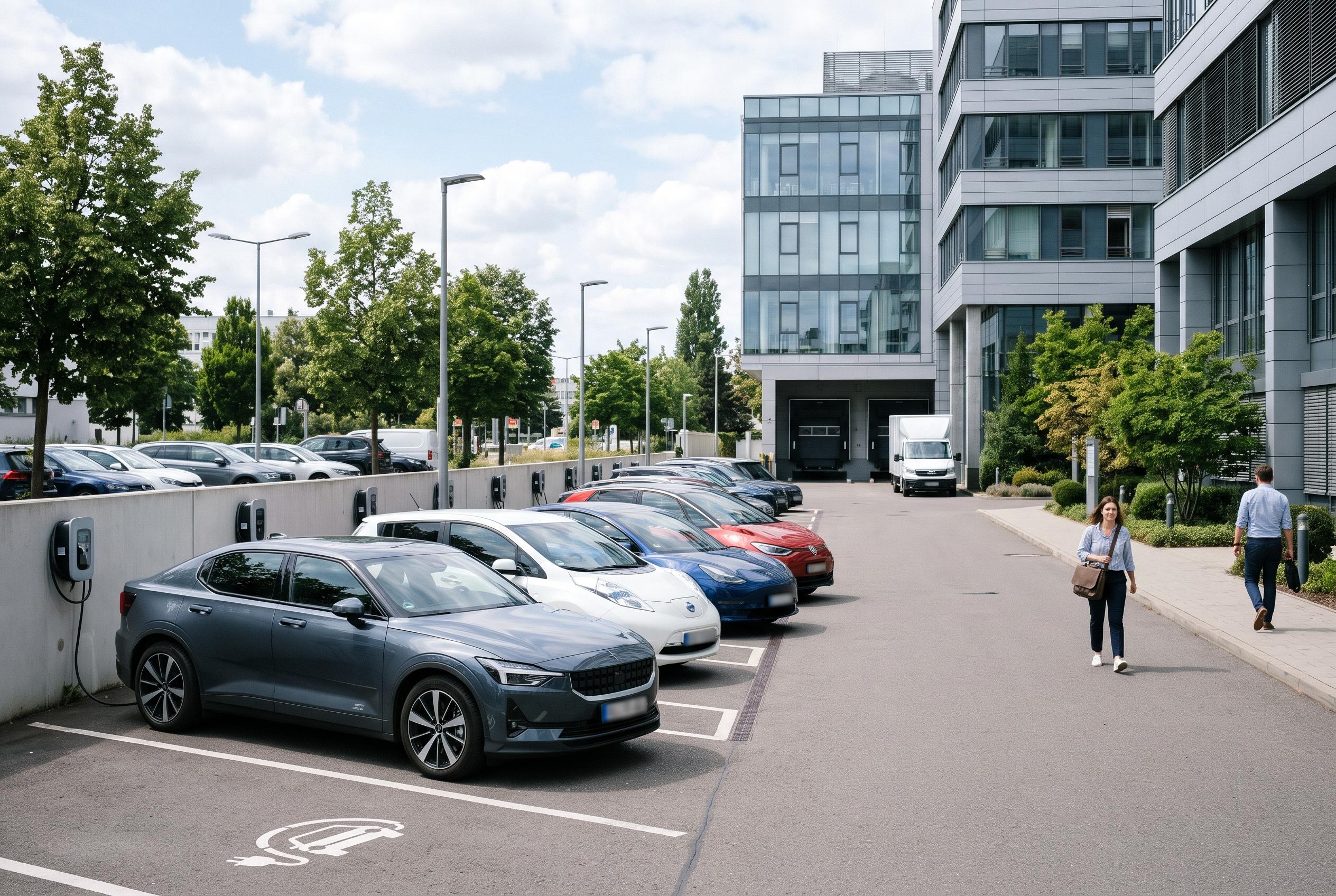
Passenger EVs tell a different story. KAMA figures cited by Financial News show the domestic share of newly registered passenger EVs falling steadily, from 69.0% in 2022 to 48.7% in the first nine months of this year. The reason is that the assessment is applied at company level rather than by model, which allowed some imported vehicles to remain eligible if the manufacturer met the criteria. Tesla, whose Model Y and Model 3 are imported from Shanghai, passed the test and registered 89,131 vehicles in the period. BYD, by contrast, was excluded, but its sales did not collapse because the company offset the loss of public aid with its own incentives.
That imbalance has sharpened the argument for shifting support away from purchase subsidies and towards production-based incentives. Lee Ho-geun, a professor at Daeduk University’s Department of Future Automotive Engineering, told Financial News that purchase subsidies can end up benefiting imported EVs as well as domestic ones, depending on consumer choice, whereas production tax credits would more directly support plant utilisation, parts orders and jobs. KAMA said in its first-half report in August that imported EVs are intensifying pressure on supply chains and weakening the manufacturing base, and it has called for a domestic production promotion tax system rather than a policy focused mainly on consumer discounts.
The issue is now moving into politics. Financial News reported that the government’s August tax reform proposal included semiconductors and batteries among sectors eligible for domestic production tax credits, but left finished vehicles out. Nineteen lawmakers from both ruling and opposition parties have since introduced an amendment to the Restriction of Special Taxation Act that would add EVs to the list. Lee Hyeong-il, the deputy prime minister and minister of economy and finance, is expected to visit Hyundai Motor’s Namyang R&D centre early next month to hear industry views, underscoring how quickly the debate has shifted from consumer subsidies to industrial policy.
Disclaimer: This content is intended for informational purposes only. Readers are advised to exercise their own judgement, conduct due diligence, or consult a qualified expert before acting on any information provided.