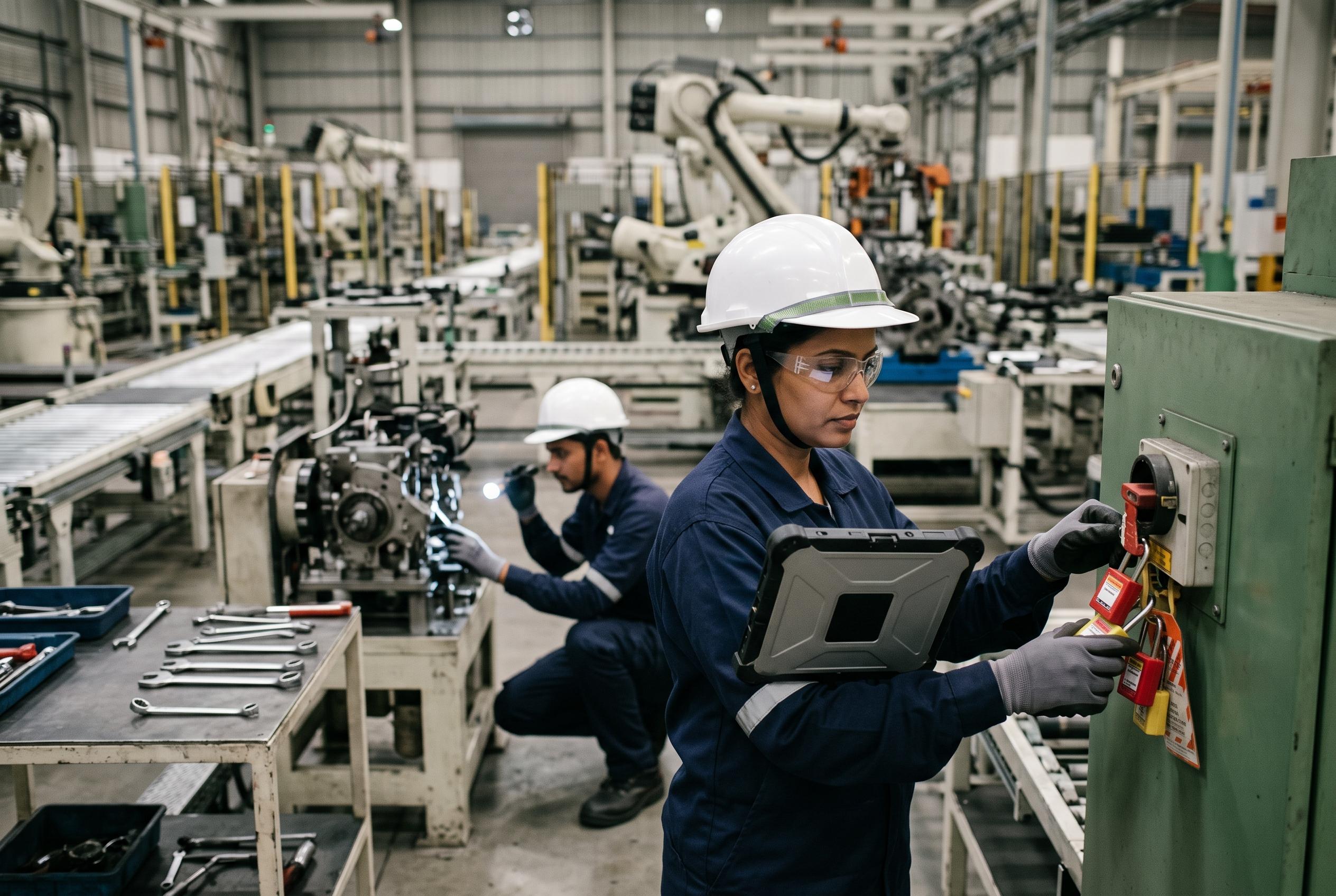

Suzuki mandates weekly equipment shutdowns for Indian suppliers to improve quality and reliability, signalling a strategic shift amid rapid market growth and upcoming production ambitions.
Suzuki Motor has told suppliers in India to stop production for one day each week so equipment can be serviced, as the Japanese group seeks to reduce the risk of breakdowns, accidents and quality defects while it prepares for a larger production run, people familiar with the matter said. The move is notable because it is understood to be the first time Suzuki has imposed such a weekly maintenance requirement on its Indian vendor base. Reuters reported that Maruti Suzuki did not comment when approached. Suzuki regards India as its largest market and an increasingly important manufacturing base for exports to Japan, Europe and other destinations.
The instruction fits into a broader production plan centred on Maruti Suzuki’s target of lifting annual output to 4 million cars by 2030 from about 2.4 million now. According to the report, Suzuki president Toshihiro Suzuki met suppliers in India in August and asked them to plan around a six-day working week. Maruti has since sought signed declarations from suppliers confirming that lines making components for the carmaker do not run seven days a week, according to the people cited. The intended operating model is 20 hours a day, six days a week by September 2027, leaving four hours each night for maintenance and one full day each week for servicing.
Suzuki is also pushing a wider technology overhaul in India. Business Standard reported that the company plans to halve vehicle development times by 2030, while improving development efficiency and lifting factory productivity well beyond levels associated with its Manesar plant in Haryana. The group is said to be keeping a multi-powertrain strategy rather than depending solely on battery-electric vehicles, suggesting that internal combustion, hybrid and other drivetrain options will continue to matter in its India line-up.
The maintenance push comes at a time when India’s car market is expanding quickly and suppliers are already under strain. The Economic Times reported that Suzuki is also preparing a biogas initiative as part of a wider sustainability strategy in local communities. Separately, industry data cited in the reports suggests domestic car sales in India could rise to about 5 million vehicles in 2026 from 3 million in 2019, increasing pressure on component makers to add capacity. Indian suppliers typically keep machines running every day to maximise use and profit, so a forced weekly shutdown is likely to carry costs, especially with commodity and raw material prices elevated.
Maruti Suzuki’s production base is already operating at record levels. The Times of India reported that the company produced 23.4 lakh vehicles in fiscal 2025-26, its highest annual total, and the largest single-year output by any original equipment manufacturer in India. Five models, including Dzire, Fronx, Swift, Ertiga and Baleno, each crossed the 2 lakh unit mark. That scale helps explain why Suzuki is tightening control over supplier reliability, even as Maruti seeks to regain share from rivals such as Tata Motors and Mahindra & Mahindra through a wave of new launches ahead of 2030. Reuters also reported that exports to markets including Japan, Europe and the Middle East are expected to approach half a million units in 2026, underlining the role India now plays in Suzuki’s global manufacturing plans.
Disclaimer: This content is intended for informational purposes only. Readers are advised to exercise their own judgement, conduct due diligence, or consult a qualified expert before acting on any information provided.