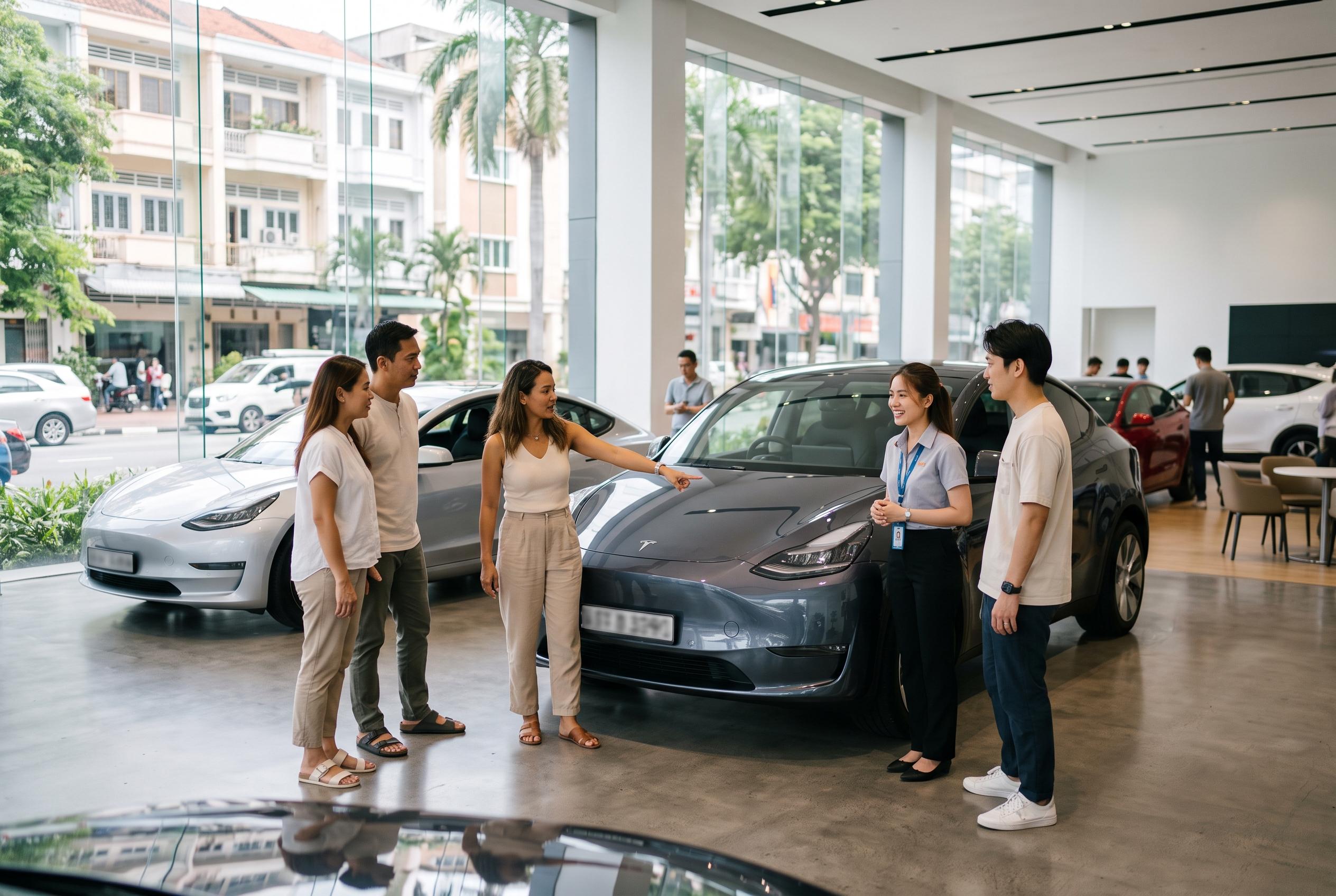

Fully imported electric vehicles could face an excise duty of at least 30% from January 2027, prompting warnings of a late-2026 sales surge and possible disruption for import-dependent brands.
Thailand’s planned increase in excise duty on fully imported electric vehicles is expected to reshape the market in the final months of the year, with industry figures warning that buyers may rush to secure current prices before the new regime begins in 2027. According to The Nation and other Thai business outlets, the Finance Ministry is preparing to take the proposal to Cabinet within the next two weeks, with the higher rate expected to take effect from 1 January 2027 if approved.
Under the draft plan, completely built-up EVs with no Thai-made components would move from an excise rate of about 10% to at least 30%. For a vehicle priced at THB1 million, that would mean an additional tax burden of at least THB200,000, making imported models materially more expensive from next year. Locally manufactured EVs that meet the relevant conditions would not be caught by the increase, a distinction designed to reward companies that have already invested in Thai factories and supply chains.
The move sits within a wider attempt to move Thailand’s EV policy beyond simple support for battery-powered vehicles and towards a tax system based on domestic economic value. The Nation has reported that the government is developing a three-tier structure under which the lowest rates would go to makers with high local content, an intermediate rate would apply to companies producing in Thailand but still relying heavily on imported components, and the highest rate would hit firms that sell only imported vehicles. Officials say the framework is intended to push manufacturers to expand production and sourcing inside Thailand, strengthening the country’s position as a regional automotive hub.
Industry representatives, however, have cautioned that the timing of the change could distort demand. Suwat Supakarndechakul, vice-chairman of the Federation of Thai Industries and chairman of its Automotive Industry Club, told local media that a grace period would allow importers to build stock and encourage consumers to bring forward purchases, creating what he described as a “golden period” for imported EVs late in 2026 followed by a weaker market in 2027. He said the year-end Motor Expo would be a key indicator of whether bookings accelerate as buyers try to avoid the higher tax.
Suwat also warned that some import-dependent brands could later withdraw from Thailand if the new tax structure undermines their business case, raising questions over service, parts and warranty support for owners. At the same time, the industry is pressing the government to address other parts of the vehicle market, particularly pick-ups, which remain important for farmers, small businesses and lower-income households. The broader policy debate now centres on how quickly Thailand can shift from import-led EV sales to deeper local manufacturing without causing abrupt dislocation in a market that still relies heavily on foreign brands.
Disclaimer: This content is intended for informational purposes only. Readers are advised to exercise their own judgement, conduct due diligence, or consult a qualified expert before acting on any information provided.