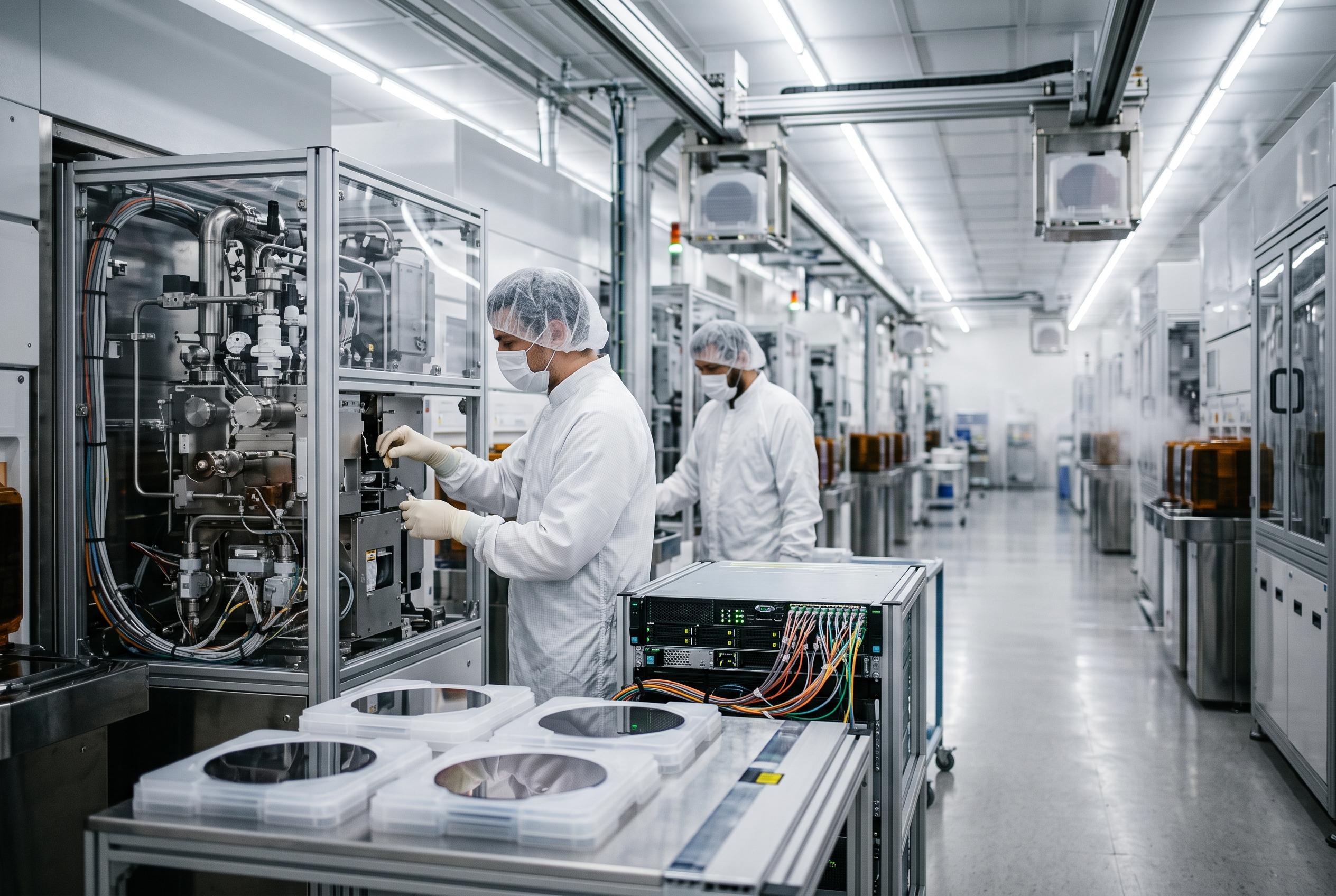

TSMC increases its semiconductor manufacturing equipment forecasts dramatically amid soaring AI demand, highlighting a global industry struggle with wafer-fab tool shortages as the company accelerates expansion plans for 2026.
TSMC has sharply increased its expectations for semiconductor manufacturing equipment over the past six months as it races to expand capacity for artificial intelligence demand, according to reports from FocusTaiwan and Bloomberg. Cliff Hou, the company’s deputy co-chief operating officer, said at Semicon Taiwan that projected tool requirements had risen to 1.5 times the original estimate by the end of the first quarter and to 1.9 times by July, compared with its forecast at the end of last year.
The scale of that change shows how quickly TSMC’s expansion plans are moving. The company is building new fabs in Taiwan and the United States, while also upgrading existing plants, both of which require additional machinery. TSMC’s CapEx guidance for 2026 has risen in parallel, moving from a range of $52 billion to $56 billion in January to $60 billion to $64 billion in July, according to the company’s own updates reported by industry outlets. That is a much smaller increase than the jump in equipment requirements, underscoring the difference between how many tools are needed and how much they cost.
Reuters-style reporting from South China Morning Post and other industry publications has pointed to the same underlying driver: strong demand for AI and high-performance computing chips. TSMC chief executive C.C. Wei has described the AI trend as multi-year, while finance chief Wendell Huang has linked spending growth to leading-edge process technology and the ramp-up of 2nm production. The company is also forecasting revenue growth of more than 30% in 2026, reflecting the depth of customer demand it expects to serve.
The problem for TSMC is not demand alone, but supply. The company has acknowledged that it cannot satisfy every customer order, and it now faces an industry-wide shortage of wafer-fab equipment as almost every major chipmaker expands at once. That makes sourcing tools more difficult even for the world’s largest contract manufacturer, which normally has considerable leverage with suppliers.
Disclaimer: This content is intended for informational purposes only. Readers are advised to exercise their own judgement, conduct due diligence, or consult a qualified expert before acting on any information provided.