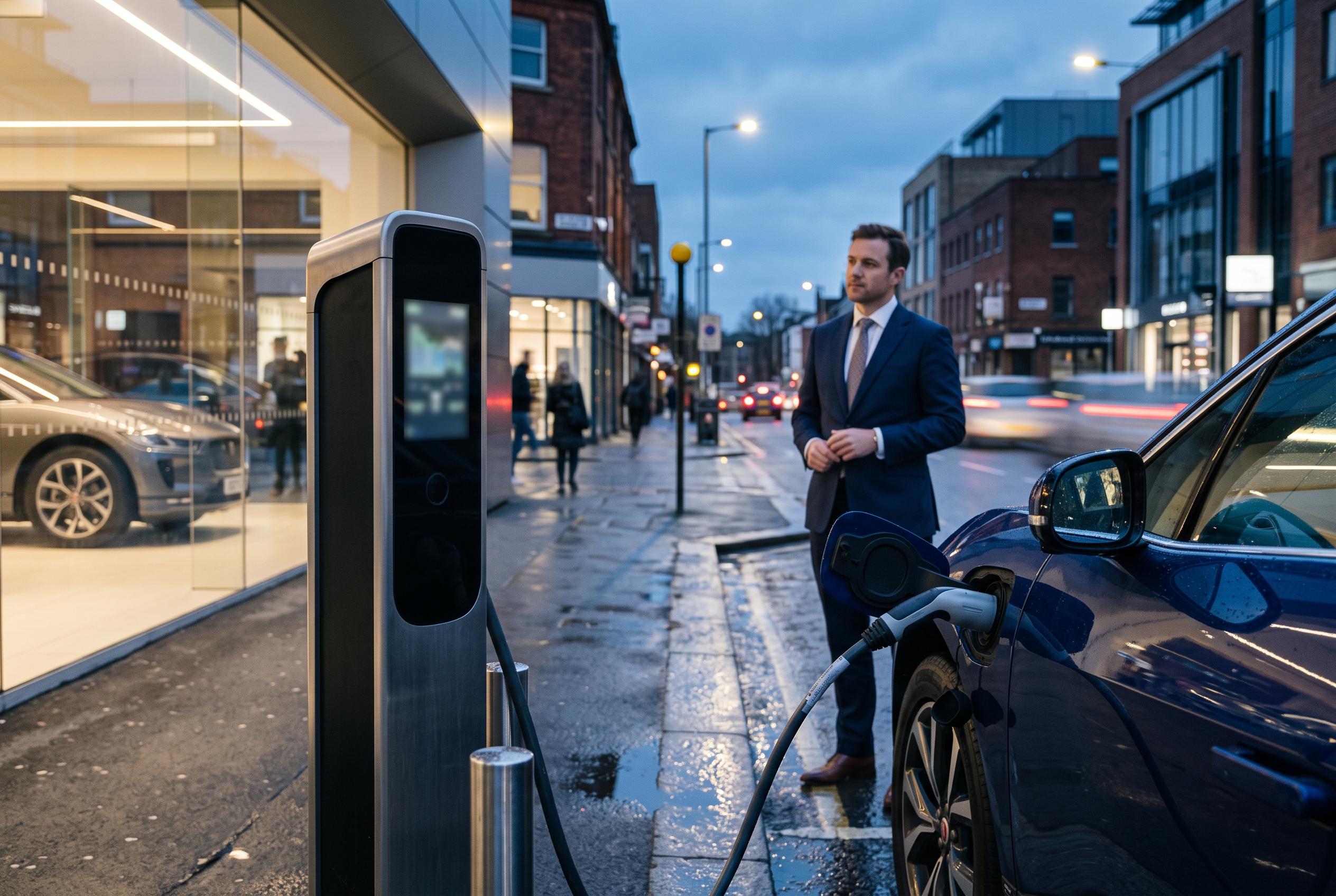

Ministers in the UK are examining whether to align their import tariffs for Chinese electric vehicles with EU levels, a move that could shift the balance of the automotive market and escalate geopolitical tensions with Beijing.
The UK is weighing whether to bring its trade stance on Chinese electric vehicles closer to that of the European Union, in a move that could reshape the competitive balance of the car market and deepen tensions with Beijing. According to the Guardian, ministers are considering tariffs on Chinese-built battery electric vehicles at levels comparable with the EU’s 45 per cent regime, after Brussels pressed London to narrow the gap between the two markets.
That pressure reflects a broader EU concern that Britain could become a conduit for Chinese cars entering Europe at lower cost. Electrive reported that the European Commission has urged the UK to raise duties on Chinese-made electric vehicles, arguing that Britain’s current 10 per cent import tariff leaves a route through which vehicles could be channelled into the single market. The same reports indicate that the issue is tied to the EU’s wider effort to protect its car industry and reduce dependence on Chinese supply chains.
For the UK, the decision is not straightforward. Autocar said officials are balancing the risk of Chinese retaliation against the possible reward of closer alignment with the EU, which could improve trade co-operation in other areas. The concern inside Whitehall is that tougher measures could provoke Beijing and potentially affect UK-built models and manufacturers with exposure to the Chinese market, even as ministers are wary of allowing cheaper imported EVs to undercut domestic industry.
The stakes are already visible in the British market. Chinese brands such as BYD, MG and Jaecoo have expanded rapidly in the UK, helped by the absence of the additional anti-subsidy duties now imposed in the EU. The lead report said those brands took 23 per cent of new-car sales in Britain in September, with Jaecoo 7 becoming the country’s best-selling new model. By contrast, in Europe, Chinese groups have increasingly turned to hybrid vehicles and local production to reduce the impact of tariffs, while the EU has also advanced local-content rules that could favour vehicles assembled within the bloc and leave UK-based operations at a disadvantage.
Disclaimer: This content is intended for informational purposes only. Readers are advised to exercise their own judgement, conduct due diligence, or consult a qualified expert before acting on any information provided.