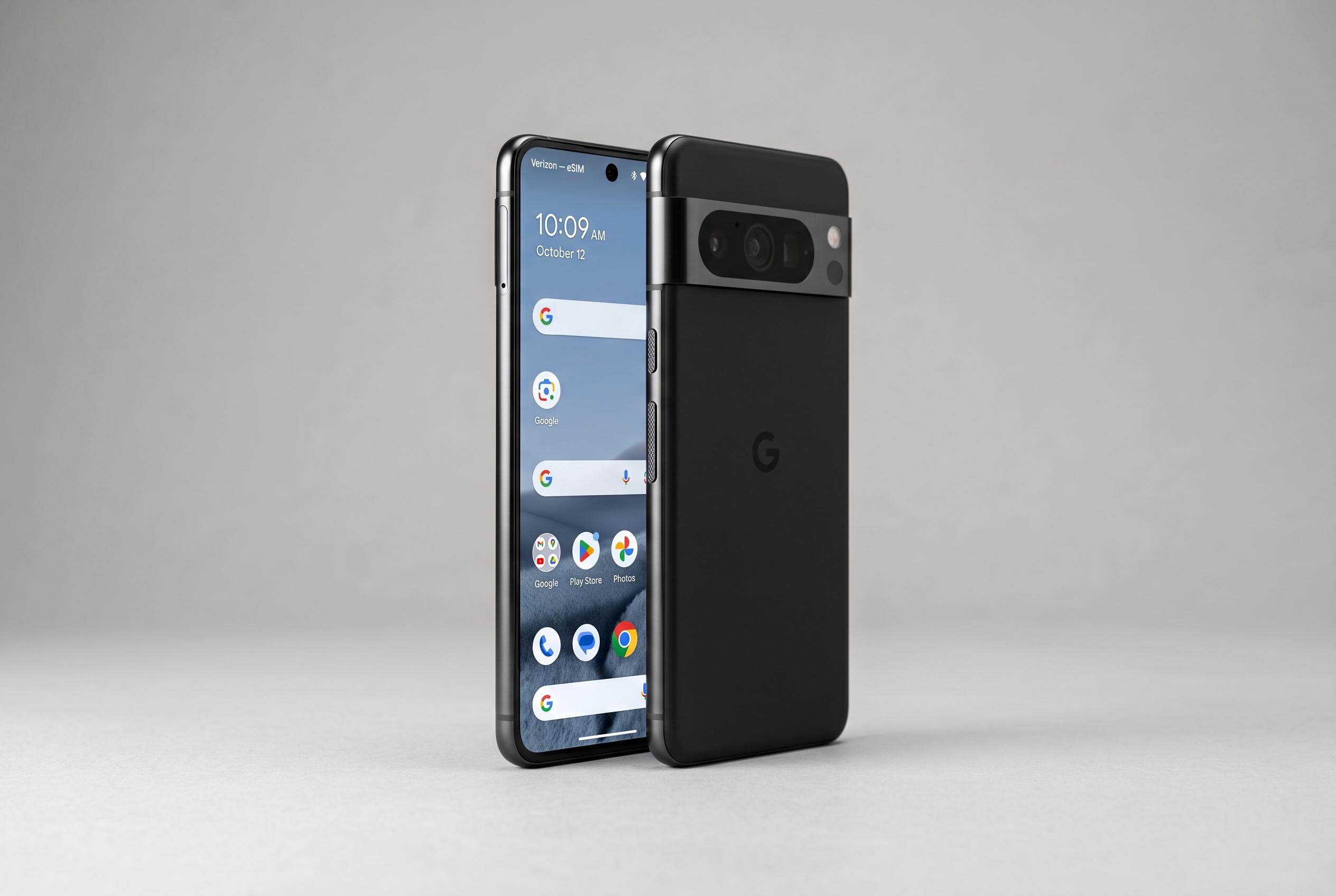

With major brands increasingly removing physical SIM trays from US models, travellers must navigate regional differences and recent innovations like dual-SIM support in flagship devices amid evolving connectivity standards.
For travellers who still prefer buying a local SIM card at arrival, the physical tray remains a practical feature, even as eSIM adoption has become routine on modern flagships. A travel eSIM can be easier when it works, but it is not universal, and some markets still make activation more cumbersome than simply inserting a prepaid card. Guides on international connectivity in 2026 note that eSIM support is now broad across major smartphone brands, yet carrier rules and regional coverage still make a removable SIM useful as a backup.
That is why the US market is worth watching closely. Apple, Samsung and Google have been quicker to remove physical SIM trays from US models than from versions sold in Europe or Asia, where physical cards remain more common in everyday use. In practice, that means a phone bought in the United States is often less convenient for overseas trips than the same model sold elsewhere.
Among current options, OnePlus stands out for flexibility. The OnePlus 15 keeps two physical nano-SIM slots and also supports eSIM, which makes it useful for travellers who want to keep a home line active while adding a local number without depending on carrier eSIM support. It launched in the US at $899 for the 12GB/256GB model and $999 for the 16GB/512GB version. Asus takes a similar approach with the ROG Phone 9 and ROG Phone 9 Pro, which can be configured either with two physical nano-SIM slots or with one nano-SIM and eSIM.
RedMagic also remains an unusual holdout. The RedMagic 11 Pro uses two physical nano-SIM slots and no eSIM hardware, which simplifies the setup for users who want to avoid eSIM management altogether. Motorola’s Edge (2026) is less powerful but more affordable, pairing one nano-SIM tray with eSIM support. That combination may suit travellers who want a fallback physical slot without paying flagship prices, although buyers still need to check carrier compatibility carefully before relying on it.
Samsung’s Galaxy S26 and S26+ also retain a single Nano-SIM tray in their US versions alongside eSIM, which keeps them useful for international travel. The Galaxy S26 Ultra is the exception: in the US, it has moved to eSIM only. That split matters for buyers who want Samsung’s top-tier display and camera hardware but still need a tray for local SIM cards abroad.
By contrast, several mainstream US models no longer offer any tray at all. US iPhone 14 models and later are eSIM only, and Google’s Pixel 10, Pixel 10 Pro and Pixel 10 Pro XL follow the same pattern in the US. Tom’s Guide has also reported that some replacement Pixel 10 Pro XL units supplied to US users were international versions with a tray, underlining how region-specific hardware can vary even within the same product family. For travellers, the basic rule is simple: if a physical SIM matters, check the exact US model before buying, not just the brand name.
Disclaimer: This content is intended for informational purposes only. Readers are advised to exercise their own judgement, conduct due diligence, or consult a qualified expert before acting on any information provided.