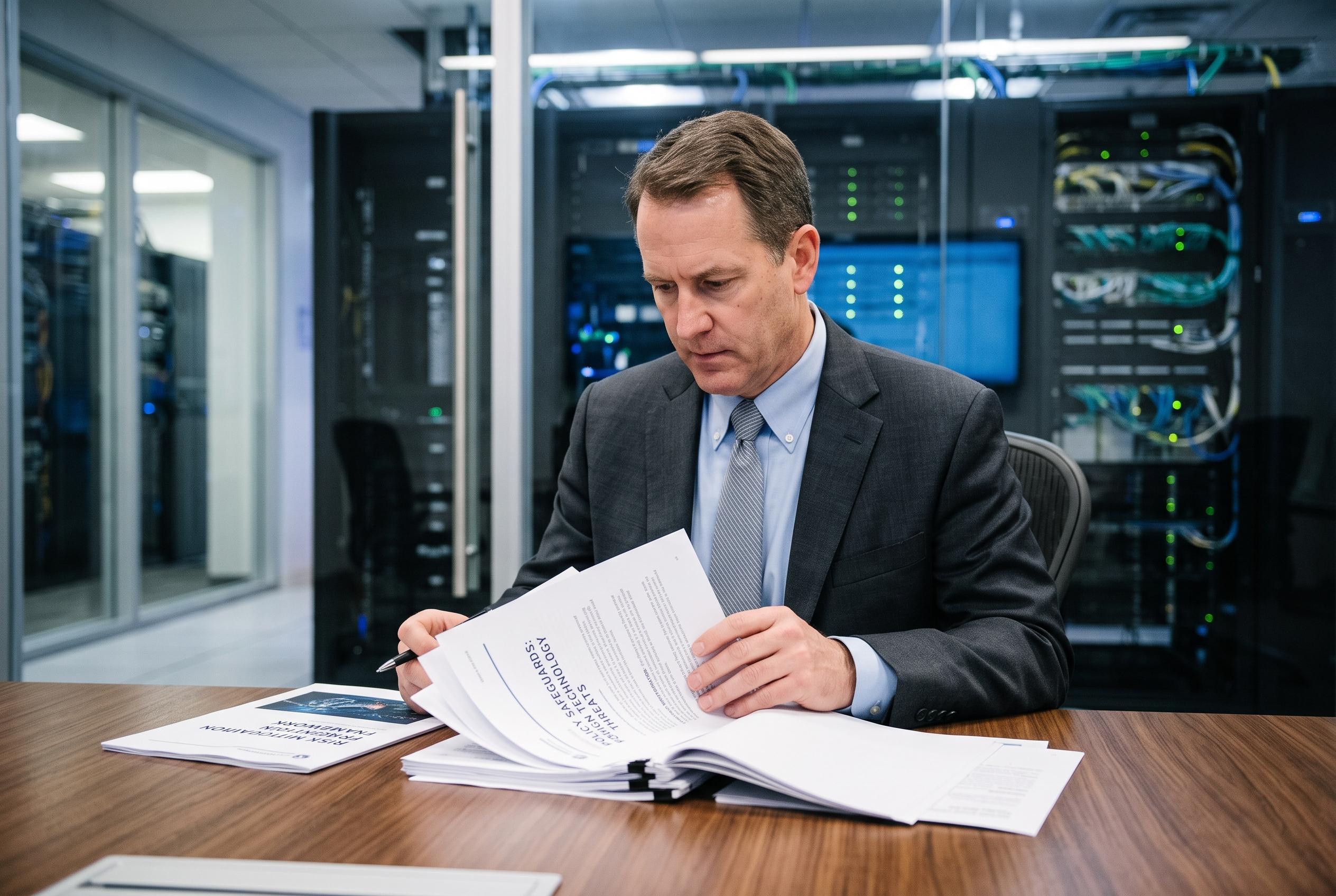

The FCC’s recent ban on foreign-made humanoid robots, robot dogs, and solar inverters highlights a strategic shift in US policy to safeguard critical infrastructure from emerging Chinese technology threats, marking a significant escalation in the ongoing technology competition.
For a quarter of a century, Beijing has been telegraphing its approach to competition, yet much of the West has chosen to treat the warnings as rhetoric rather than strategy. The concept set out in “Unrestricted Warfare”, a 1999 book by two People’s Liberation Army colonels, argued that modern conflict could be waged through finance, cyber operations and supply-chain penetration rather than conventional invasion. A later précis published by the US Army says the work helped frame the idea that political goals can be pursued without direct military confrontation.
That background is central to the Federal Communications Commission’s recent decision to block imports of foreign-made humanoid robots, robot dogs and grid-connected solar inverters. According to Nextgov, the agency moved to stop new approvals for these products after national security officials warned of supply-chain vulnerabilities and risks to critical infrastructure. PV Magazine USA reported that foreign-produced power inverters were added to the FCC’s Covered List on 28 July 2026, effectively shutting the door on their import and sale in the United States.
The concern is not abstract. Mobile robots and connected industrial devices are increasingly being designed as sensor-rich machines capable of operating inside factories, warehouses, hospitals and homes. That makes them potential data collectors as well as tools of automation. The same logic applies to inverters, which sit between solar generation and the grid. If compromised, they could be used to create disruption inside critical power systems. The issue is not whether these products are useful, but whether their connectivity turns them into security liabilities.
The FCC’s action fits a wider pattern of US restrictions on Chinese-linked technology. The article cites earlier bans and controls on routers, surveillance cameras and TikTok as examples of Washington concluding that some foreign products pose unacceptable security risks. That broader record is important because it shows the new restrictions are not a one-off reaction, but part of a steadily widening policy response to embedded technology from China.
Supporters of the ban see it as overdue prudence rather than protectionism. The article argues that exemptions for the defence and homeland security departments, alongside a case-by-case waiver process, show an attempt to distinguish real security needs from blanket restriction. It also calls for Congress to codify the rules and extend scrutiny to other sectors where Chinese hardware is already deeply embedded, including industrial control systems, ports and agriculture.
Disclaimer: This content is intended for informational purposes only. Readers are advised to exercise their own judgement, conduct due diligence, or consult a qualified expert before acting on any information provided.