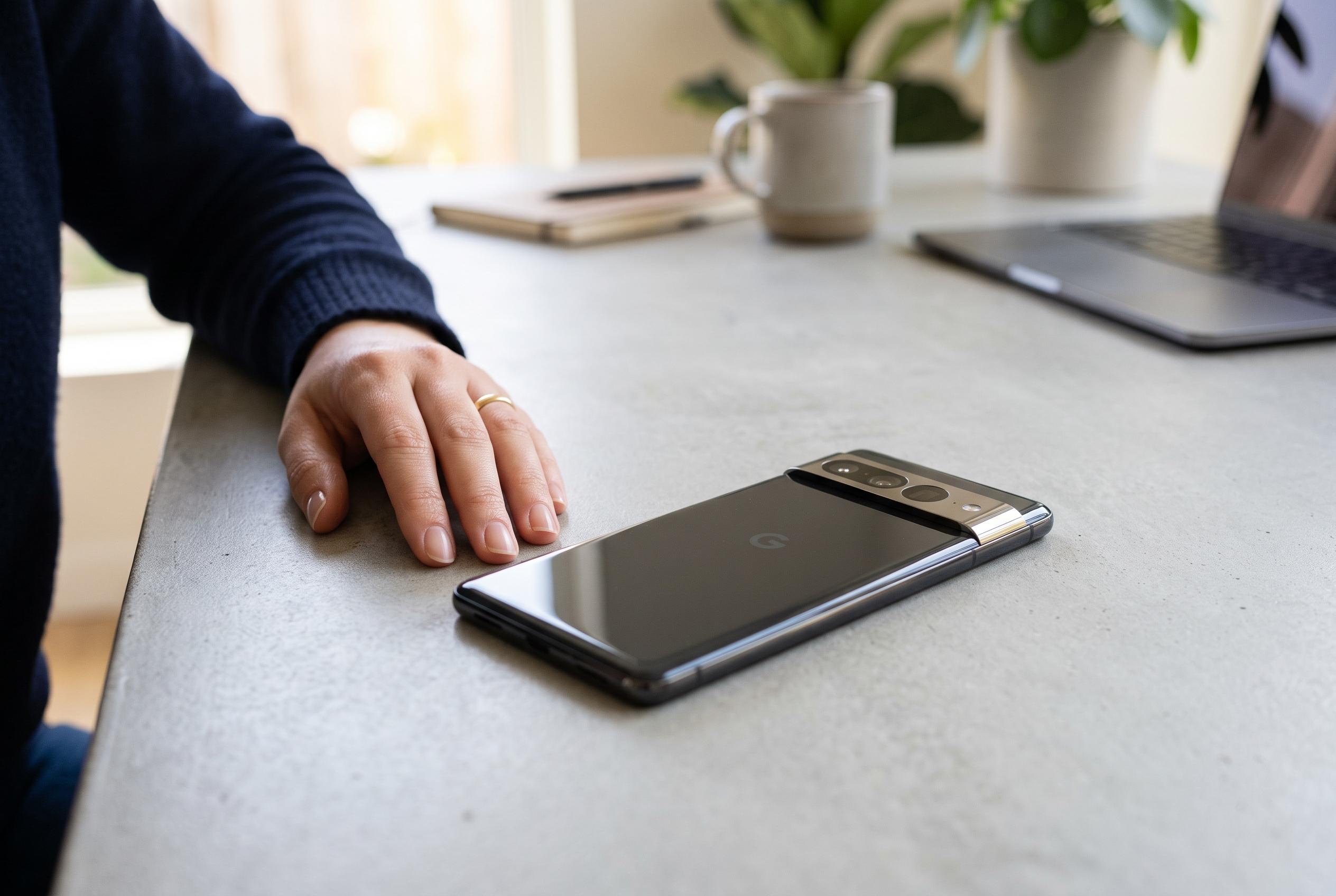

Google and Samsung’s new seven-year support policies are boosting the appeal of used flagship Android devices, offering longer software updates and more competitive resale options, potentially reshaping the second-hand market landscape.
Used Android flagships are entering a different market phase. Google’s Pixel 8 line and Samsung’s Galaxy S24 series both ship with seven years of operating-system and security support, which means a handset bought second-hand can still have years of official updates left. Google says the Pixel 8 and newer models receive seven years of OS and security updates from their US Store availability date, with Pixel Drops included, while Samsung has set the same seven-year policy for the Galaxy S24 family and later flagship devices.
That matters because the traditional problem with used Android phones was not the hardware, but the timeline. A buyer could get a strong camera, a bright display and flagship-grade performance at a lower price, yet still inherit a device close to the end of its supported life. Samsung’s earlier update commitments were shorter, which made a two-year-old handset far less attractive if the owner planned to keep it for several more years.
Google and Samsung have now changed that calculation. Google’s support policy starts the seven-year clock when the phone becomes available on the Google Store in the US, and Android Central notes that the Pixel 8 promise extends to full OS upgrades as well as feature drops. SamMobile reported that Samsung’s seven-year offer was framed as part of its wider sustainability effort, and that it added three years to the support window associated with earlier Galaxy flagships and many mid-range models.
The used-market pricing is also becoming more persuasive. Android Police cites a refurbished Pixel 8 at roughly $280 and a used Galaxy S24 at about $320, compared with launch prices of $699 and $799 respectively. At those levels, a second-hand flagship starts to compete with new budget phones, but with stronger cameras, better displays, wireless charging and, crucially, far more remaining software support.
That shift does not remove every risk. Battery wear, display faults, charging-port damage and earlier repair issues still matter, and software support cannot fix physical degradation. Google’s support page says Pixel 8 devices also benefit from seven years of replacement-part availability, while Google and Samsung both now run refurbished programmes that inspect devices and provide warranty cover, making the resale market less hazardous than it once was.
The broader trend points to a more mature second-hand Android market. IDC has forecast growth in used smartphone shipments that outpaces new-phone growth, helped by trade-ins and better refurbishment. If current flagship hardware remains efficient for longer, and if long update policies become the norm rather than the exception, buying a previous-generation premium phone may become the sensible default rather than a compromise.
Disclaimer: This content is intended for informational purposes only. Readers are advised to exercise their own judgement, conduct due diligence, or consult a qualified expert before acting on any information provided.