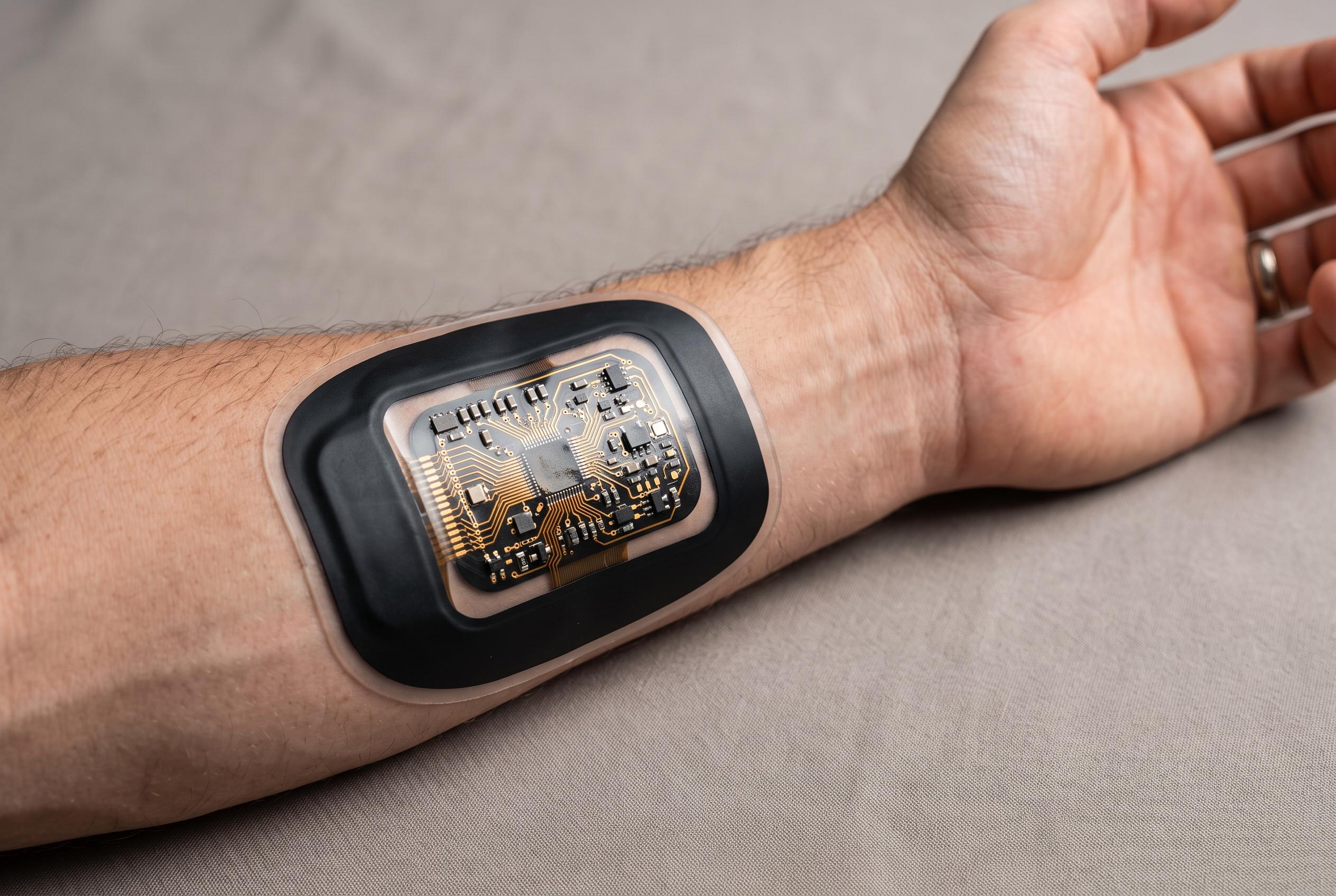

The wearable flexible printed circuits market is projected to grow at a CAGR of 7.2%, driven by consumer electronics, digital health, and innovations in flexible display and sensing technologies, according to Semiconductor Insight.
Semiconductor Insight says the market for wearable flexible printed circuits was worth US$ 12.4 billion in 2024 and is expected to rise to US$ 21.9 billion by 2032, implying a compound annual growth rate of 7.2%. The firm’s report frames wearable FPCs as a core enabling component for products such as health bands, smartwatches and augmented-reality glasses, where manufacturers need circuitry that is both highly compact and able to tolerate continuous bending.
The report argues that demand is being pulled chiefly by consumer electronics and digital health. It says wearables account for about 68% of FPC application revenue, while Asia-Pacific consumes roughly 62% of global wearable FPC output, reflecting the region’s concentration of device makers and supply chains. Semiconductor Insight also points to wider investment in wearable research and development, alongside growing use of biopotential sensors, flexible displays and energy-harvesting modules, as reasons for tighter design tolerances and higher reliability requirements.
Among the main product categories, the report highlights copper-based high-density FPCs, polyimide substrate FPCs and liquid-crystal polymer variants. On the application side, it identifies fitness and health monitoring, wrist-worn devices, medical wearables and augmented-reality headsets as the most significant demand areas, with smart clothing, earbuds and industrial wearables also adding to the opportunity set. It says manufacturers are increasingly focusing on ultra-thin copper foil, high-frequency signal routing and integration with IoT sensors.
The report also links the segment’s outlook to broader changes in healthcare and power management. Remote patient monitoring, continuous glucose monitoring and patch-based therapeutics are creating demand for circuits that can withstand repeated flexing, heat during assembly and strict biocompatibility standards. Semiconductor Insight further says smart FPCs with embedded sensing and diagnostics could cut device failure rates by up to 30% and extend battery life by an average of 15%, while renewable micro-cells introduce new design demands for flexible interconnects that can handle variable power input without degrading signal quality.
Disclaimer: This content is intended for informational purposes only. Readers are advised to exercise their own judgement, conduct due diligence, or consult a qualified expert before acting on any information provided.