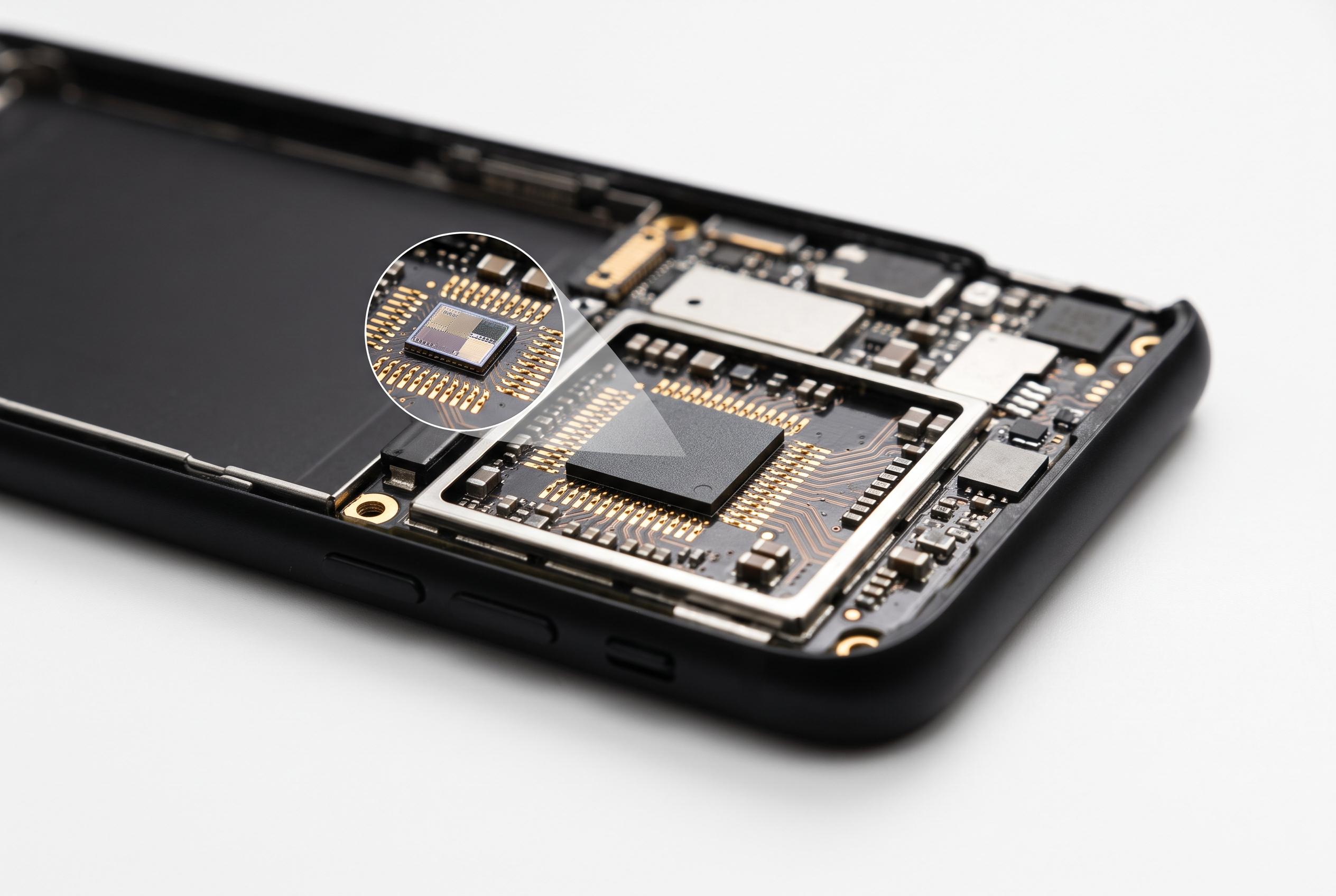

Xiaomi and OPPO are investing in internal power management chips to optimise energy efficiency and extend battery life, marking a strategic move to reduce reliance on external suppliers and enhance device performance.
Xiaomi and OPPO are moving beyond bigger batteries and into a less visible part of the smartphone stack: power management chips. According to Xataka, both firms have invested in Guangdong MicroPowerChip, a young Chinese semiconductor company that makes power management integrated circuits, or PMICs, the chips that regulate how electricity enters, moves through and is conserved inside a phone. The strategic aim is clear: if battery chemistry is only part of the answer, smarter control of power use is the other.
That matters because the PMIC sits close to the centre of device behaviour. It helps determine charging efficiency, thermal performance and how well a handset balances speed against battery life. Industry analysis cited by Xataka says the PMIC market is worth more than $44 billion, which explains why handset makers are increasingly interested in securing more control over it. In practical terms, the chip may never appear on a retail spec sheet, but it can shape the day-to-day experience as much as the battery itself.
The investment also fits a broader effort by Chinese smartphone makers to reduce dependence on outside suppliers. Xiaomi has already built several in-house chips, including its Surge power chips and earlier silicon projects, while OPPO has developed charging-related chips under its SuperVOOC branding. Honor and Huawei have followed similar routes, and Apple previously bought Dialog’s PMIC business in a sign of how strategically important the category has become. Reuters-style market reporting around Xiaomi’s recent chip work has shown the company continues to deepen its internal semiconductor ambitions, despite the cost and complexity involved.
The result is a shift in emphasis: from simply fitting larger batteries to extracting more useful life from every watt. Silicon-carbon cells have improved density, but they do not solve power waste on their own. For manufacturers, owning or influencing PMIC design offers tighter integration, more tailored charging behaviour and less reliance on external road maps. For consumers, the benefit is less visible but easier to feel: a phone that lasts longer, charges more efficiently and manages heat better under load.
Disclaimer: This content is intended for informational purposes only. Readers are advised to exercise their own judgement, conduct due diligence, or consult a qualified expert before acting on any information provided.